 By Thezoqo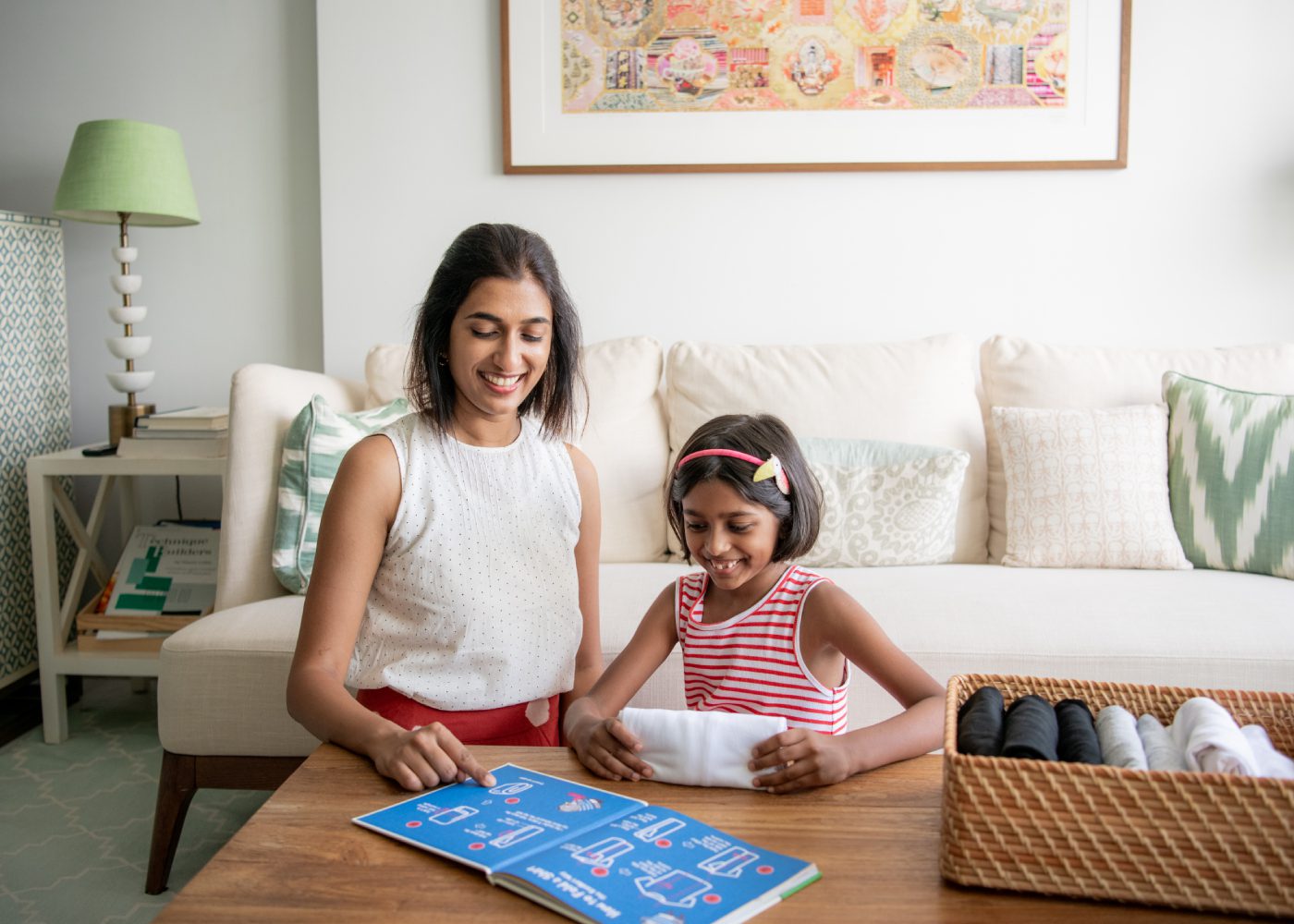
Living in today’s fast-paced world often means dealing with constant notifications, packed schedules, financial pressure, and mental overload. Many people feel overwhelmed not because they lack success, but because they own too much, commit to too many things, and think about too many responsibilities at once.
That’s where minimalism comes in.
This complete Guide to Living a Minimalist Lifestyle will walk you step by step through how to simplify your life, reduce stress, and create more space for what truly matters. Minimalism is not about living with nothing. It is about living with intention.
When you follow this Guide to Living a Minimalist Lifestyle, you will learn how to declutter your space, simplify your schedule, reduce mental stress, and focus on experiences instead of excess possessions.
What Is a Minimalist Lifestyle?
A minimalist lifestyle is the practice of intentionally removing excess from your life so you can focus on what adds value.
Minimalism applies to:
- Physical possessions
- Digital clutter
- Schedule commitments
- Mental distractions
- Financial habits
- Relationships
This Guide to Living a Minimalist Lifestyle is designed to help you create simplicity without sacrificing comfort or happiness.
Minimalism does NOT mean:
- Living without enjoyment
- Owning nothing
- Being extreme
- Avoiding success
It simply means choosing quality over quantity.
Why Follow This Guide to Living a Minimalist Lifestyle?
There are many benefits to adopting minimalism.
1. Reduced Stress
Less clutter equals less mental overload. A clean environment promotes calm thinking.
2. Better Focus
Fewer distractions improve productivity and concentration.
3. More Time
With fewer commitments and belongings, you spend less time organizing and maintaining things.
4. Financial Freedom
Minimalism reduces unnecessary spending and increases savings.
5. Emotional Clarity
When distractions are removed, you think more clearly and make better decisions.
This Guide to Living a Minimalist Lifestyle helps you experience all of these benefits gradually and sustainably.
Step 1: Start With a Clear Mindset
Before changing your home or schedule, change your mindset.
Minimalism begins in your thoughts.
Ask yourself:
- What truly matters to me?
- What adds value to my life?
- What causes stress?
- What do I use daily?
Understanding your priorities is the foundation of this Guide to Living a Minimalist Lifestyle.
Shift your thinking from “more is better” to “less but meaningful.”
Step 2: Declutter Your Physical Space
One of the most important steps in this Guide to Living a Minimalist Lifestyle is removing unnecessary items.
Clutter creates visual stress and mental fatigue.
How to Declutter:
- Start small (one drawer or shelf).
- Sort items into three categories:
- Keep
- Donate
- Discard
- Ask yourself:
- Have I used this in the last 12 months?
- Does this item serve a purpose?
- Does it bring value or joy?
Focus on one room at a time.
A clean environment supports stress-free living.
Step 3: Simplify Your Wardrobe
Clothing is one of the easiest areas to simplify.
Minimal wardrobes reduce decision fatigue.
Tips:
- Keep versatile pieces.
- Choose neutral colors.
- Donate clothes you haven’t worn in a year.
- Build a capsule wardrobe.
A simplified wardrobe saves time every morning and supports this Guide to Living a Minimalist Lifestyle.
Step 4: Reduce Digital Clutter
Digital overload is one of the biggest stress sources today.
To simplify digitally:
- Unsubscribe from unnecessary emails.
- Delete unused apps.
- Organize files into folders.
- Turn off non-essential notifications.
- Limit social media usage.
Digital minimalism improves focus and reduces anxiety.
Your phone should serve you — not control you.
Step 5: Simplify Your Schedule
Overcommitting leads to burnout.
This Guide to Living a Minimalist Lifestyle encourages intentional time management.
How to Simplify Your Schedule:
- Say no to unnecessary obligations.
- Focus on high-priority tasks.
- Avoid multitasking.
- Leave space for rest.
- Avoid overbooking your calendar.
Free time is not wasted time. It is recovery time.
Step 6: Adopt Mindful Spending Habits
Minimalism also applies to finances.
Practice:
- Buy only what you need.
- Avoid impulse purchases.
- Wait 24 hours before buying non-essential items.
- Focus on quality over quantity.
Financial minimalism leads to:
- Less debt
- More savings
- Greater peace of mind
This is a key principle in this Guide to Living a Minimalist Lifestyle.
Step 7: Focus on Experiences, Not Things
Research shows experiences bring more happiness than material possessions.
Instead of buying more items:
- Travel
- Spend time with family
- Learn new skills
- Enjoy nature
- Practice hobbies
Minimalism shifts focus from owning to living.
Step 8: Create Simple Daily Routines
Complicated routines create stress.
Minimal routines create stability.
A stress-free routine includes:
- Wake up at a consistent time.
- Keep mornings simple.
- Prioritize 3 key tasks.
- Avoid unnecessary distractions.
- End the day with reflection.
Routine supports the principles in this Guide to Living a Minimalist Lifestyle.
Step 9: Improve Your Environment
Your environment influences your mindset.
Make your space:
- Clean
- Organized
- Light-filled
- Calm
Use simple decor.
Avoid overcrowding rooms.
A peaceful environment reduces anxiety.
Step 10: Practice Mental Minimalism
Minimalism is not only physical — it is mental.
To reduce mental clutter:
- Stop overthinking.
- Avoid unnecessary comparisons.
- Limit negative news consumption.
- Practice gratitude.
- Focus on one task at a time.
Mental clarity is one of the greatest benefits of this Guide to Living a Minimalist Lifestyle.
Step 11: Build Meaningful Relationships
Minimalism encourages quality relationships.
Spend time with people who:
- Support your growth
- Respect your boundaries
- Bring positivity
Remove toxic connections when possible.
Healthy relationships create emotional balance.
Step 12: Focus on Health and Well-Being
Minimalism supports healthy living.
Keep it simple:
- Eat whole foods.
- Exercise regularly.
- Get enough sleep.
- Drink water.
- Manage stress.
Health is more important than material possessions.

Step 13: Regularly Review and Adjust
Minimalism is a continuous process.
Every few months:
- Re-evaluate your belongings.
- Review your commitments.
- Check your goals.
- Adjust where necessary.
This ensures long-term success with the Guide to Living a Minimalist Lifestyle.
Common Mistakes to Avoid
When following this Guide to Living a Minimalist Lifestyle, avoid:
- Going too extreme.
- Decluttering everything at once.
- Comparing your journey.
- Feeling guilty about possessions.
- Ignoring comfort and practicality.
Minimalism should improve your life — not make it harder.
Sample Minimalist Day Structure
Morning:
- Wake up early
- Simple breakfast
- Plan top tasks
Work:
- Focused time blocks
- Short breaks
- Avoid distractions
Evening:
- Light activity
- Family time
- Declutter small areas
- Relax
Night:
- Limit screen time
- Reflect on the day
- Sleep early
This structure supports stress-free living.
Long-Term Benefits of Following This Guide to Living a Minimalist Lifestyle
If practiced consistently, minimalism leads to:
Physical Benefits:
- Less stress
- Better sleep
- Improved focus
Emotional Benefits:
- Calmness
- Satisfaction
- Confidence
Financial Benefits:
- Increased savings
- Less debt
- Smarter spending
Lifestyle Benefits:
- More free time
- Greater clarity
- Better productivity
Minimalism improves overall quality of life.
Final Thoughts
This complete Guide to Living a minimalist lifestyle shows that simplicity leads to stress-free living.
Minimalism is not about restriction. It is about freedom.
When you remove excess:
- You gain clarity.
- You gain time.
- You gain peace.
- You gain control.
Start small. Declutter one area. Simplify one habit. Reduce one distraction.
Over time, these small steps will transform your life.
Living simply is not about having less — it is about making room for more of what truly matters.