 By Thezoqo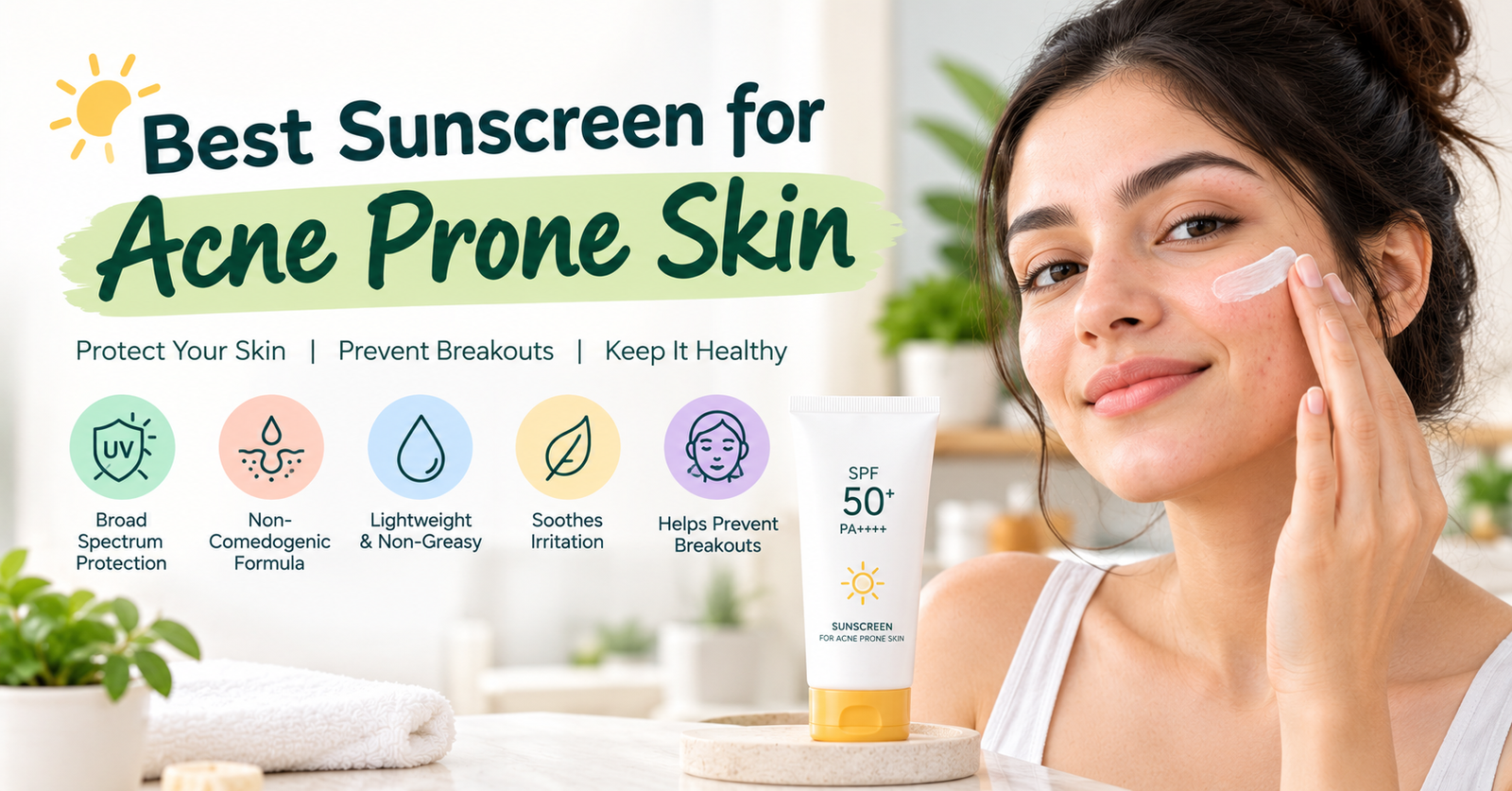
Finding the best sunscreen for acne prone skin can often feel like an endless trial-and-error experiment. For anyone dealing with active breakouts, clogged pores, or hyperpigmentation, the fear that a sunblock will trigger a fresh wave of acne is very real. Heavy, oily formulas often leave a greasy residue that traps bacteria, leading many to skip sun protection altogether.
Skipping daily sun defense is one of the most counterproductive things you can do for breakout-prone skin. Exposure to ultraviolet (UV) radiation damages the skin barrier, worsens post-inflammatory hyperpigmentation (dark marks left behind by pimples), and triggers excess sebum production as your skin tries to compensate for sun-induced dehydration. The key lies in selecting lightweight, non-comedogenic formulas designed specifically to protect without clogging pores.
Why Acne-Prone Skin Demands Daily Sun Protection
It is a common myth that sun exposure “dries out” acne. While a short time in the sun might temporarily dry up surface oils, UV radiation causes long-term damage that amplifies acne symptoms here are some reason why to use best sunscreen for acne prone skin
- Darkening of Post-Acne Marks: UV rays stimulate melanin production. When exposed to the sun, red or dark post-acne marks turn darker and take significantly longer to fade.
- Compromised Barrier Function: Sunlight weakens the lipid barrier, making skin more susceptible to irritation, redness, and bacterial invasion.
- Rebound Sebum Production: UV heat dehydrates the deeper layers of your skin. To compensate, your sebaceous glands produce excess oil, increasing the risk of future clogged pores.
- Sensitivity from Active Ingredients: Common acne treatments—such as salicylic acid, benzoyl peroxide, retinoids, and AHA exfoliants—increase cell turnover and make skin far more sensitive to sunburn.
Key Features to Look For in a Sunscreen for Acne-Prone Skin
Shopping for photoprotection requires scanning labels for specific dermatological terms. Here are the core criteria every acne-prone individual should prioritize:
1. Non-Comedogenic Labeling
A non-comedogenic formula is best sunscreen for acne prone skin, specifically tested to ensure it does not block pores. Look for products explicitly stating “non-comedogenic,” “oil-free,” or “won’t clog pores” on the packaging.
2. Broad-Spectrum Defense (SPF 30 to SPF 50+)
Ensure your chosen sunscreen offers broad-spectrum protection, which means it guards against both UVA (aging and pigmentation) and UVB (burning) rays. An SPF rating of 30 or higher, paired with a PA+++ or PA++++ designation, offers ideal daily coverage and it is best sunscreen for acne prone skin.
3. Lightweight, Fluid, or Gel Textures
Heavy cream bases are formulated for dry skin types and often contain heavy emollients. For breakout-prone skin, opt for water-based gels, fluid lotions, fluid essences, or dry-touch matte finishes that absorb quickly without leaving an oily film.
Physical vs. Chemical Sunscreens: Which Is best sunscreen for acne prone skin?
Sunscreen filters fall into two main categories: physical (mineral) and chemical. Understanding how both function helps in selecting the ideal match for your skin’s sensitivity levels.
Detailed scientific breakdowns of photoprotective compounds are available on Wikipedia, highlighting how different active ingredients absorb or reflect UV rays.
Physical (Mineral) Sunscreens
Physical sunscreens utilize active mineral ingredients—primarily Zinc Oxide and Titanium Dioxide.
- How They Work: Minerals sit on the skin’s surface to reflect and scatter UV light.
- Pros for Acne: Zinc oxide possesses natural anti-inflammatory properties, making it gentle on reactive, inflamed acne. It works immediately upon application and rarely causes allergic reactions.
- Cons: Can sometimes leave a slight white cast on deeper skin tones unless micronized or tinted.
Chemical Sunscreens
Chemical sunscreens use organic carbon-based compounds (such as Avobenzone, Octisalate, or modern filters like Tinosorb and Uvinul) to absorb UV radiation and convert it into heat.
- How They Work: They absorb into the top layers of skin to neutralize UV rays.
- Pros for Acne: Typically offer sheer, invisible finishes with zero white cast. They blend effortlessly under makeup or daily routines.
- Cons: Certain legacy chemical filters can cause heat dissipation in the skin, which occasionally triggers flushing or irritation in highly reactive skin types.
Hybrid Sunscreens
Hybrid sunscreens combine physical and chemical filters to provide high SPF protection, minimal white cast, and a lightweight texture ideal for daily wear.
Helpful Ingredients for Acne-Prone Formulations
The modern generation of sunscreens does more than just shield skin from the sun—they active skin-benefiting ingredients into their formulas:
- Niacinamide (Vitamin B3): Helps regulate sebum production, calms active redness, and repairs the skin barrier while fading hyperpigmentation.
- Hyaluronic Acid: Delivers lightweight hydration to prevent dehydration-induced oiliness without clogging pores.
- Salicylic Acid (BHA): Gently clears micro-clogs within the pores throughout the day.
- Centella Asiatica (Cica) & Aloe Vera: Soothe active flare-ups and calm irritated, inflamed skin.
- Ceramides: Help replenish and protect the skin barrier against environmental stressors.
If you are exploring comprehensive skincare, holistic wellness tips, and product guides, platforms like https://thezoqo.com/ offer additional practical insights into lifestyle and self-care strategies.
Common Sunscreen Ingredients to Avoid
When analyzing ingredient lists, individuals prone to breakouts should watch out for known comedogenic or irritating additives:
- Heavy Oils and Butters: Cocoa butter, coconut oil, wheat germ oil, and mineral oil can form an occlusive seal that traps sebum and dead skin cells.
- Synthetic Fragrances & Essential Oils: Artificial fragrances, citrus oils, and heavy botanical extracts can cause contact dermatitis and irritate active acne lesions.
- Silicones in High Concentrations: While light silicones offer a smooth matte finish, heavy dimethicone-dense formulas can sometimes trap sweat and sebum underneath during intense exercise or high humidity.
- Drying Alcohols: Denatured alcohol (alcohol denat) creates a quick-dry finish, but over-use can strip skin of moisture, causing rebound oiliness over time.
Step-by-Step Guide: How to Apply Sunscreen Without Causing Breakouts
Even the best sunscreen for acne prone skin can cause issues if applied incorrectly. Following a proper routine prevents pore congestion and optimizes UV defense:
Step 1: Start with a Clean Canvas
Wash your face with a gentle, non-stripping cleanser every morning to remove overnight oil buildup before applying any product.
Step 2: Hydrate Lightly
Apply a light, oil-free moisturizer or serum if your skin needs extra hydration. If your sunscreen formula contains hydrating agents like hyaluronic acid or ceramides, you can apply it directly to clean skin.
Step 3: Use the Two-Finger Rule
To achieve the full SPF protection stated on the label, apply approximately half a teaspoon (or two full finger lengths) of sunscreen to your face and neck. Applying too little drastically reduces protection.
Step 4: Allow Time to Set
Give your sunscreen 10 to 15 minutes to form a protective film on your skin before applying makeup or stepping outside.
Step 5: Double Cleanse at Night
This is the most critical step for breakout-prone skin. Water-resistant UV filters and natural oils cannot be completely removed with water or a mild gel cleanser alone. Use a micellar water or lightweight cleansing oil first, followed by your regular water-based cleanser, to ensure every trace of sunscreen is washed away.
What to Do If Your Sunscreen Causes Breakouts
If you notice small bumps or active pimples after starting a new SPF, follow these steps to troubleshoot the issue:
- Check Your Cleansing Method: Ensure you are thoroughly cleansing your face at night. Breakouts are often caused by residual sunscreen left in pores overnight rather than the formula itself.
- Isolate the Formula: Stop using all other new skincare products to confirm whether the sunscreen is the true cause.
- Switch Filter Types: If a chemical formula causes stinging or tiny red bumps, switch to a 100% mineral sunscreen containing zinc oxide.
- Simplify Your Routine: Avoid layering multiple heavy serums under your sunscreen. In warm or humid weather, a lightweight sunscreen gel often provides enough moisture on its own.
Final Thoughts: Finding Your Ideal Match
Finding the best sunscreen for acne prone skin comes down to balancing broad-spectrum UV defense with a weightless, non-comedogenic texture. Prioritize oil-free gels, fluids, or fluid lotions enriched with calming ingredients like niacinamide or zinc oxide. By making daily sunscreen application a non-negotiable step in your morning routine and double cleansing every evening, you protect your skin barrier, fade post-acne dark marks, and maintain a clearer, healthier complexion.