 By Thezoqo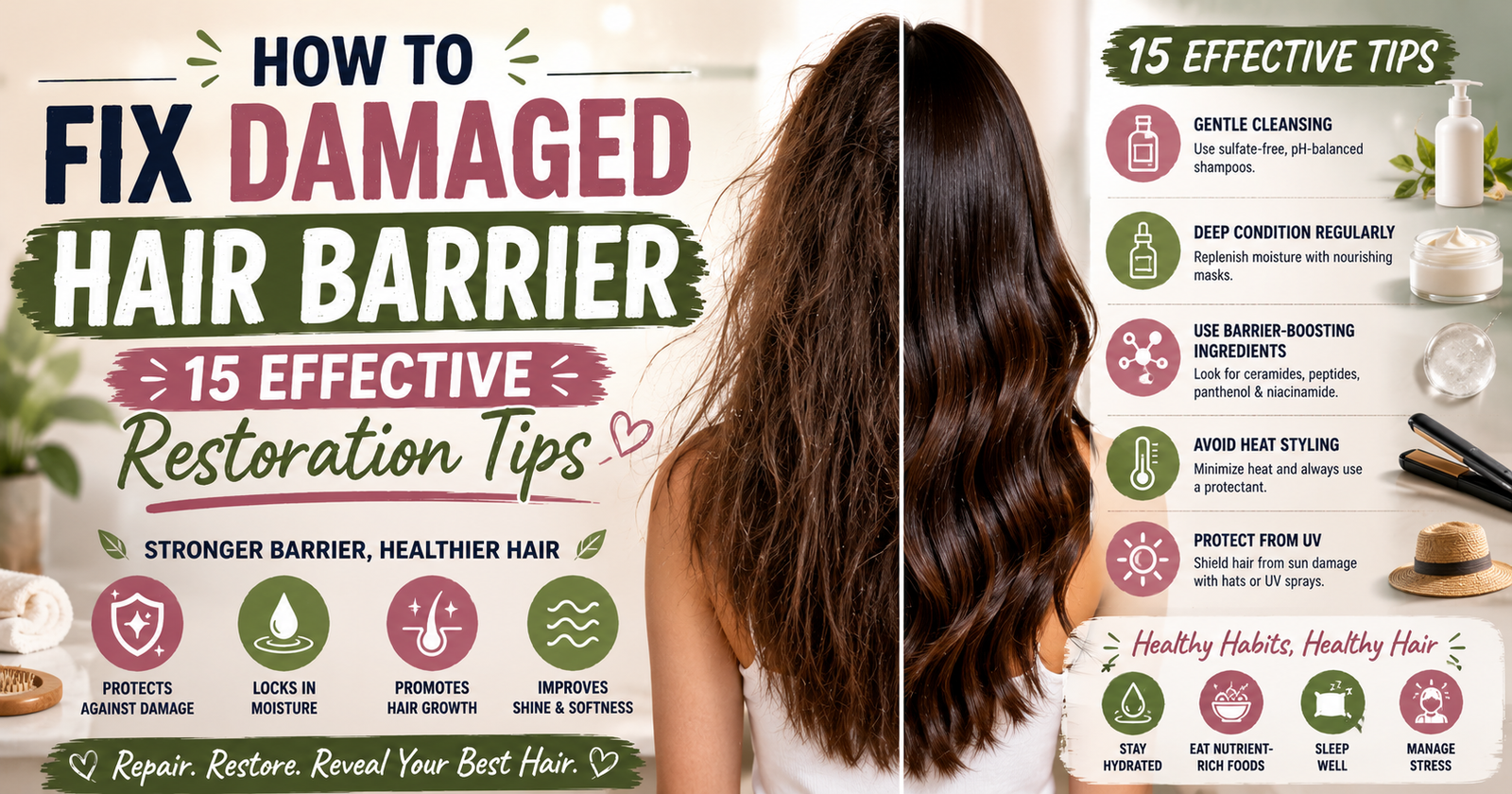
Hair that looks dry, brittle, overly frizzy, or prone to snapping often suffers from a compromised protective layer. While most people are familiar with skin moisture barriers, few realize that human hair possesses its own delicate outer shield. Learning how to fix damaged hair barrier is essential for restoring shine, elasticity, softness, and overall manageability to compromised strands.
When your hair’s protective structure breaks down, moisture escapes rapidly, leaving the inner core exposed to environmental pollutants, heat, and chemical stress. Fortunately, understanding how to fix damaged hair barrier allows you to implement targeted care routines that seal the cuticle, replenish structural proteins, and rebuild essential lipid layers.
Exploring the biological anatomy of human hair reveals how complex shaft structures depend on intact cuticle scales to maintain internal hydration and structural strength. In this comprehensive guide, we cover everything you need to know about how to fix damaged hair barrier, from identifying root causes to establishing an effective restoration routine.
Understanding the Hair Barrier: What Is It and How Does It Get Damaged?
To master how to fix damaged hair barrier, you must first understand how hair is structured. Each hair strand consists of three main layers:
- The Medulla: The innermost core layer found in medium to thick hair.
- The Cortex: The thick middle layer containing structural keratin proteins, moisture reserves, and natural color pigments.
- The Cuticle: The outermost protective barrier made of overlapping, shingle-like scale cells bound together by a natural lipid layer (the 18-MEA layer).
When people ask how to fix damaged hair barrier, they are referring to repairing this outermost cuticle and lipid layer. A healthy hair barrier lays flat, keeping moisture locked inside the cortex while repelling external humidity and environmental damage.
When the cuticle scales become raised, cracked, or completely stripped away, the hair barrier fails. Moisture evaporates instantly, leaving strands porous, rough, and extremely fragile.
Common Causes of a Damaged Hair Barrier
Identifying the primary cause of cuticle breakdown is a crucial step in learning how to fix damaged hair barrier. The most common culprits include:
1. Excessive Heat Styling
Frequent use of hot tools like straighteners, curling irons, and high-heat blow dryers strips the natural 18-MEA lipid layer from hair scales, causing structural cracking.
2. Chemical Processing
Bleaching, permanent hair dyeing, relaxing, and perming alter the hair’s natural pH and break internal disulfide bonds, lifting the protective cuticle layer permanently if overdone.
3. Harsh Cleansing and Over-Washing
Sulfate-heavy shampoos and frequent washing strip away beneficial sebum oils, leaving cuticles dry, friction-prone, and susceptible to breakage.
4. Environmental and UV Stress
Prolonged sun exposure, salt water, chlorine, and harsh winter winds dry out the hair shaft, degrading protective surface proteins over time.
5. Mechanical Friction
Aggressive towel drying, rough brushing on wet hair, tight hairstyles, and sleeping on cotton pillowcases create micro-tears along the cuticle surface.
Signs Your Hair Barrier Is Damaged
Recognizing the symptoms early makes learning how to fix damaged hair barrier much easier. Common signs include:
- Extreme Porosity: Hair absorbs water instantly like a sponge but dries out just as fast, feeling parched moments after conditioning.
- Persistent Frizz and Rough Texture: Strands feel straw-like, coarse, and bumpy when you run fingers down the hair shaft.
- Lack of Elasticity: Hair snaps easily when gently stretched rather than bouncing back naturally.
- Frequent Tangling and Knots: Lifted cuticle scales catch on adjacent strands, creating stubborn knots and tangles.
- Dullness and Lack of Shine: Raised cuticles reflect light unevenly, making hair appear flat and lifeless.
Step-by-Step Guide: How to Fix Damaged Hair Barrier Effectively
Repairing a compromised hair barrier requires a dual approach: replenishing lost moisture and structural proteins while shielding the cuticle from further breakdown. Here is the step-by-step process for how to fix damaged hair barrier.
Step 1: Switch to a Sulfate-Free, Low-pH Shampoo
Standard clarifying shampoos often contain harsh surfactants like sodium lauryl sulfate that lift the hair cuticle further. When researching how to fix damaged hair barrier, selecting a gentle, sulfate-free cleanser with a low pH (around 4.5 to 5.5) is paramount. Low-pH shampoos smooth down cuticle scales, locking in vital moisture during cleansing.
Step 2: Incorporate Bond-Building Treatments
Traditional conditioners only coat the outer surface of strands. To truly understand how to fix damaged hair barrier, you must utilize bond-building treatments. These specialized formulas contain active cross-linking molecules that penetrate the cortex to repair broken disulfide bonds caused by chemical bleaching and heat styling.
Step 3: Balance Protein and Moisture Treatments
A resilient hair barrier requires a delicate balance of hydration and protein. Deep conditioning masks enriched with plant oils, hyaluronic acid, and glycerin restore softness. Simultaneously, treatments containing hydrolyzed wheat protein, keratin, or amino acids fill structural gaps along damaged cuticles. Using these treatments weekly is a proven method for how to fix damaged hair barrier.
Step 4: Seal the Cuticle with Leave-In Conditioners and Plant Oils
After washing and conditioning, applying a leave-in conditioner followed by lightweight hair oils (such as argan, jojoba, or marula oil) locks in hydration. The natural fatty acids in these oils mimic your scalp’s sebum, creating a synthetic lipid barrier over damaged cuticles.
For insightful beauty routines, hair health tips, and modern lifestyle guidance, explore the helpful articles at thezoqo.
Advanced Hair Care Techniques to Protect the Hair Barrier
Beyond changing products, modifying your daily hair handling habits plays a massive role in how to fix damaged hair barrier.
1. Master the Art of Gentle Cleansing
Focus your shampoo application strictly on the scalp area where sebum and product buildup accumulate. Allow the soapy suds to run down the length of your hair naturally when rinsing rather than scrubbing lengths roughly.
2. Lower Your Water Temperature
Hot water causes cuticle scales to swell and open, exposing the inner cortex to moisture loss. Rinsing your hair with cool or lukewarm water seals the cuticle layer, enhancing natural shine and smoothness.
3. Replace Cotton Towels with Microfiber or T-Shirts
Traditional terry cloth towels have rough fibers that snag and tear delicate, wet cuticles. Gently squeezing excess water out with a microfiber towel or a soft cotton T-shirt prevents mechanical damage.
4. Upgrade to Silk or Satin Pillowcases
Cotton pillowcases absorb natural hair oils and create friction as you move during sleep. Sleeping on silk or satin pillowcases allows strands to slide smoothly, reducing morning frizz and split ends.
Preventive Measures: Keeping Your Hair Barrier Healthy Long-Term
Once you know how to fix damaged hair barrier, maintaining those results requires preventative care to avoid resetting your progress.
1. Always Apply a Thermal Protectant Before Heat Styling
Never allow raw heating elements to touch bare hair strands. High-grade heat protectants form a heat-deflecting barrier over the cuticle, distributing thermal energy evenly and preventing lipid breakdown up to 450°F (232°C).
2. Space Out Chemical Treatments
Give your hair ample time to recover between bleaching, coloring, or relaxing sessions. Waiting at least 8 to 12 weeks between chemical services allows the cuticle time to rest and recover when paired with restorative treatments.
3. Use UV Protection for Hair
Just as sun exposure damages skin barriers, ultraviolet radiation breaks down hair proteins and strips natural hair lipids. Wearing broad-brimmed hats or using hair sprays with UV filters shields your cuticle barrier during sunny outdoor activities.
Dietary and Lifestyle Habits That Support Hair Barrier Repair
External products work wonders, but nourishing hair from within supports long-term structural integrity as new hair grows from the follicle.
1. Increase Essential Fatty Acid Intake
Consuming foods rich in Omega-3 and Omega-6 fatty acids—such as salmon, walnuts, flaxseeds, and avocados—promotes healthy sebum production at the scalp level, aiding natural hair lubrication.
2. Ensure Adequate Protein Consumption
Since hair is composed primarily of a protein called keratin, consuming lean meats, eggs, legumes, and tofu ensures your body has the necessary building blocks for strong hair growth.
3. Stay Hydrated Throughout the Day
Systemic dehydration impacts hair texture and scalp elasticity. Drinking adequate water daily supports overall hydration from the inside out.
Best Product Ingredients to Look For
When shopping for products specifically formulated for how to fix damaged hair barrier, search ingredient labels for these high-performing components:
- Ceramides: Lipid molecules that fill gaps between cuticle cells, reinforcing the outer protective layer.
- Hydrolyzed Keratin: Small protein fragments that bind directly to damaged cuticle micro-tears.
- Argan and Jojoba Oils: Rich in natural fatty acids that mimic natural scalp oils to smooth raised cuticles.
- Panthenol (Pro-Vitamin B5): Penetrates the hair shaft to deliver long-lasting hydration and improve flexibility.
- Hyaluronic Acid: Attracts and retains moisture within dry hair strands without weighing them down.
Frequently Asked Questions
How long does it take to fix a damaged hair barrier?
Learning how to fix damaged hair barrier requires patience. While topical leave-in treatments and oils provide immediate shine and smoothness, structural repair typically takes 4 to 8 weeks of consistent, gentle care.
Can split ends be fixed to restore the hair barrier?
No, split ends cannot be permanently glued back together. While temporary cuticle-smoothing serums help conceal frayed ends, trimming split ends is necessary to prevent tears from traveling further up the hair shaft.
How often should I use protein treatments when fixing a hair barrier?
Protein treatments should generally be used once or twice a month. Overusing protein without adequate moisture can cause hair to become stiff and brittle, so always balance protein applications with deep hydrating masks.
Is it possible to completely fix a severely bleached hair barrier?
While severely bleached hair cannot return to an untouched virgin state, using bond builders, low-pH cleansers, and rich lipid oils dramatically improves texture, elasticity, and manageability.
Final Thoughts: Restoring Strength and Brilliance to Your Hair
Mastering how to fix damaged hair barrier transforms dry, rebellious hair into a soft, resilient crown of beauty. By switching to gentle sulfate-free cleansers, balancing protein and moisture, utilizing bond repair treatments, and protecting your hair from mechanical and heat friction, you effectively rebuild your hair’s protective coat.
Be patient with your hair journey, adopt preventative habits, and give your strands the gentle nourishment they need.
Incorporate these proven steps into your routine starting today to enjoy healthier, smoother, and radiant hair for years to come!