 By Thezoqo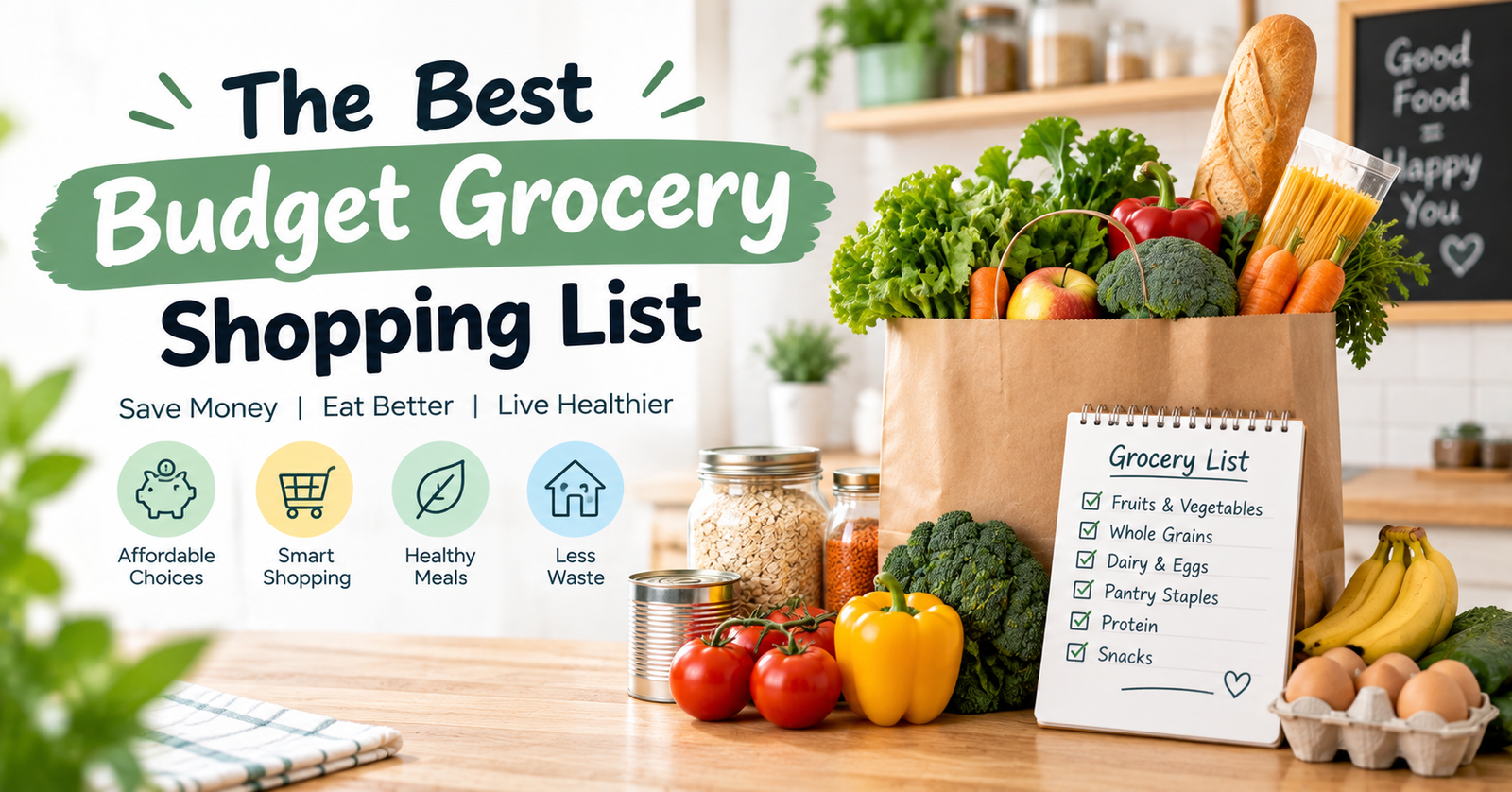
Navigating the supermarket aisles while trying to stay within a strict monthly budget can often feel like a stressful balancing act. With fluctuating food prices, unpredictable inflation, and endless impulse triggers lining every aisle, walking out of the store without overspending requires strategy. Fortunately, mastering the best budget grocery shopping list is not about starving yourself or eating boring meals—it is about strategic planning, knowing which cost-effective staples to prioritize, and building nutrient-dense dishes from scratch.
Whether you are trying to cut your household expenses in half, feeding a large family, or simply seeking ways to shop smarter, having a clear plan before you step into the store is your greatest financial shield. This comprehensive guide covers everything you need to know to create a low-cost, high-value grocery routine that keeps your belly full and your bank account happy.
Why You Need a Budget-Focused Grocery Strategy
Without a concrete budget grocery shopping list, impulse buys will dismantle your budget within minutes. Supermarkets are meticulously designed to encourage spending—from placing high-margin luxury items at eye level to piping in pleasant scents near the bakery.
According to research on consumer purchasing habits detailed on Wikipedia, structured shopping lists combined with an awareness of store layouts significantly reduce retail impulse spending. When you shop with a targeted list, you transition from a passive buyer susceptible to marketing traps into an efficient, budget-conscious consumer.
Core Principles of Smart Budget Grocery Shopping
Before looking at specific food items, it helps to understand the foundational rules of low-cost grocery management. These strategies ensure every dollar spent returns maximum nutritional and culinary value.
1. Build Around Shelf-Stable Base Ingredients
The most affordable diets across the world rely on bulk pantry staples: grains, legumes, and root vegetables. These items offer long shelf lives, low costs per serving, and incredible versatility across multiple recipes.
2. Embrace the Perimeter and Frozen Aisle Strategy
While fresh produce is vital, buying exclusively fresh fruits and vegetables often leads to food waste if items rot before you use them. Frozen fruits and vegetables are flash-frozen at peak ripeness, preserving their nutrients while offering lower prices and longer storage times.
3. Swap Expensive Animal Proteins for Plant Alternatives
Meat is frequently the most expensive category on any receipt. Substituting meat twice or thrice a week with plant-based protein sources like lentils, chickpeas, black beans, eggs, or canned fish slashes your total bill without sacrificing protein intake.
4. Shop Your Pantry First
Before writing a single item on your list, audit your refrigerator, freezer, and cabinets. Building your weekly meal plan around ingredients you already own prevents duplicate purchases and eliminates waste.
Master List: The Best Budget Grocery Shopping List by Category
Here is your master template for an affordable, highly nutritious plan for budget grocery shopping list. You can tailor these fundamental staples to match your family’s dietary preferences and cultural tastes.
Whole Grains and Complex Carbs
Carbohydrates form the energetic backbone of a budget-friendly diet. Buy these items in larger bags or from bulk bins to secure the lowest unit price.
- Brown or White Long-Grain Rice: Exceptionally cheap, shelf-stable, and pairs effortlessly with any protein or vegetable dish.
- Rolled Oats: The ultimate budget breakfast foundation. High in soluble fiber, filling, and perfect for porridge, baking, or homemade granola.
- Whole Wheat Pasta: A quick, satisfying staple that costs very little per pound.
- Whole Grain Bread: Versatile for toast, sandwiches, or breadcrumbs. Store extra loaves in the freezer to prevent mold growth.
- Potatoes and Sweet Potatoes: Nutrient-dense root vegetables that store well for weeks in a cool, dark space.
Budget-Friendly Proteins
Protein does not have to drain your wallet. Focus on high-yielding, low-cost options.
- Dry or Canned Legumes (Lentils, Black Beans, Chickpeas): Dried beans offer the absolute cheapest source of dietary protein and fiber. Canned versions save prep time while remaining remarkably inexpensive.
- Eggs: One of the most complete and economical sources of high-quality protein available.
- Canned Tuna and Sardines: Long-lasting, rich in omega-3 fatty acids, and perfect for quick lunches, salads, or pasta dishes.
- Bone-in, Skin-on Chicken Thighs or Whole Chickens: Whole or bone-in cuts cost significantly less than boneless, skinless breasts. Roast a whole bird to yield multiple meals, then simmer the bones for homemade nutrient-dense broth.
- Peanut Butter or Sunflower Seed Butter: Packed with healthy fats and protein, perfect for spreads, smoothies, or oatmeal toppings.
Long-Lasting Fresh and Frozen Produce
Select fruits and vegetables that resist quick spoilage or opt for frozen options.
- Onions and Garlic: Essential aromatic bases that bring deep flavor to budget meals without relying on expensive sodium-laden sauces.
- Carrots and Cabbage: Inexpensive, nutrient-dense produce options that stay crisp in the refrigerator for weeks.
- Bananas and Apples: Naturally budget-friendly fruits that provide portable snacking, energy, and fiber.
- Frozen Mixed Vegetables and Spinach: Ideal for stir-fries, soups, and casseroles without the risk of spoilage.
- Canned Diced Tomatoes: An essential, low-cost base for curries, chili, pasta sauces, and stews.
Dairy and Dairy Alternatives
Stick to multi-purpose options that work for drinking, cooking, and baking.
- Plain Greek Yogurt or Large Tubs of Regular Yogurt: Much cheaper per ounce than individual flavored cups. Use it for breakfast, or swap it for sour cream in savory dishes.
- Block Cheese: Buying cheese in a block and shredding it yourself saves money compared to pre-shredded bags, which include added anti-caking agents.
- Gallon Milk or Fortified Plant Milks: Great for meal prep, cereals, hot drinks, and cooking bases.
Flavor Boosters and Pantry Essentials
Eating on a tight budget should never mean eating bland food. Stocking a few fundamental herbs, spices, and cooking fats elevates modest ingredients into delicious meals.
- Cooking Oil (Vegetable, Canola, or Olive Oil): Essential for roasting, sautéing, and dressing salads.
- Core Spices: Salt, black pepper, cumin, garlic powder, chili powder, and oregano allow you to transform basic beans and grains into Mexican, Indian, or Italian flavor profiles.
- Soy Sauce and Vinegar: Provide acid, umami, and depth to simple marinades, pan sauces, and dressings.
For more budget tips, home management guides, and smart lifestyle strategies, you can explore specialized resources at https://thezoqo.com/.
Step-by-Step Meal Prep Strategy to Eliminate Food Waste
Creating the best budget grocery shopping list is only half the battle; how you manage food at home determines your actual savings.
1. Practice Batch Cooking
Cook large portions of staple grains, beans, and roasted vegetables over the weekend. Having pre-cooked brown rice or baked potatoes ready in the fridge prevents the temptation to order expensive takeaway food on busy weeknights.
2. Repurpose Leftovers Creatively
Transform Sunday’s roasted chicken into Monday’s chicken salad wrap and Tuesday’s chicken noodle soup. Giving leftover ingredients a second life eliminates kitchen waste and keeps your weekly food costs exceptionally low.
3. Store Ingredients Correctly
Learn how to store produce properly to maximize freshness. Keep root vegetables like onions and potatoes in cool, dark places (but stored separately, as onions cause potatoes to sprout faster). Store leafy greens wrapped in paper towels inside sealed containers to absorb excess moisture and prevent slime.
Common Mistakes That Ruin Your budget grocery shopping list
Even experienced shoppers fall into expensive habits. Watch out for these common budget traps:
- Shopping While Hungry: Navigating food aisles on an empty stomach triggers sensory cravings, driving you to buy costly convenience snacks and treats. Eat a light snack before leaving home.
- Ignoring Store Brands: Brand-name products often cost 20% to 40% more than generic store brands, despite containing identical ingredients. Always compare unit prices on store shelves.
- Buying Pre-Cut Produce: Pre-sliced melons, pre-shredded carrots, and bagged salad mixes carry high convenience markups. Buying whole fruits and vegetables saves significant cash over time.
- Failing to Check Price Per Unit: Don’t judge a item’s value solely by its overall price tag. Check the small “price per ounce” or “price per pound” print on the shelf tag to find the true budget winner.
Final Thoughts: Mastering Your Grocery Budget
Curating the best budget grocery shopping list requires shifting your focus toward versatile, shelf-stable, and nutrient-dense ingredients. By stocking your kitchen with whole grains, affordable plant proteins, long-lasting produce, and essential seasonings, you can prepare flavorful, wholesome meals every day while keeping your financial goals on track.