 By Thezoqo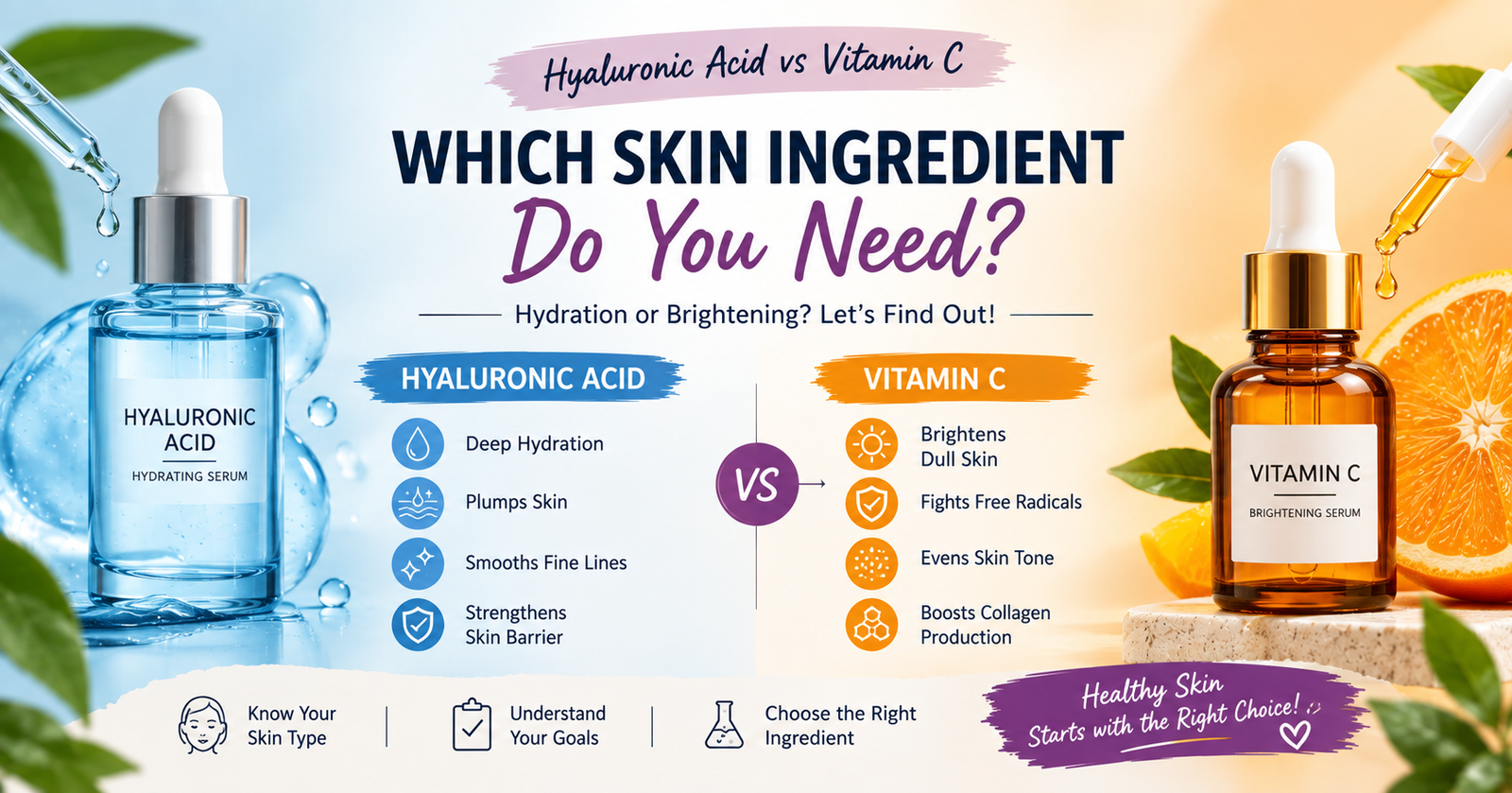
Achieving healthy, radiant skin often comes down to choosing active ingredients that directly target your skin concerns. Among the most popular ingredients in modern skincare, two powerhouses frequently top the list: hyaluronic acid vs vitamin C.
While both ingredients earn praise from dermatologists and beauty enthusiasts alike, they serve completely different biological functions. One acts as a moisture-binding humectant that restores elasticity, while the other functions as a potent antioxidant that brightens tone and defends against environmental stressors.
Understanding the debate surrounding hyaluronic acid vs vitamin C helps you make informed choices for your daily regimen. Should you choose one over the other, or do these two skincare staples work better when paired together?
This comprehensive guide explores the unique benefits, key differences, ideal skin types, layering techniques, and practical tips for incorporating hyaluronic acid vs vitamin C into your skincare routine.
Understanding Hyaluronic Acid: The Ultimate Hydrator
Hyaluronic acid (HA) is a naturally occurring glycosaminoglycan found throughout human connective tissues, joint fluid, and the extracellular matrix of the skin. Its primary role in human biology is to maintain tissue hydration, lubrication, and structural integrity.
In topical skincare, hyaluronic acid functions as a humectant. It draws water molecules from the environment and deeper dermal layers into the stratum corneum (the outermost layer of the skin).
[ Ambient Moisture / Dermal Water ]
│
▼
[ Hyaluronic Acid (HA) ] ── (Binds & Traps Moisture)
│
▼
[ Plump, Hydrated Stratum Corneum ]
Key Benefits of Hyaluronic Acid
- Intense Hydration: Hyaluronic acid can hold up to 1,000 times its weight in water, making it exceptionally effective at rehydrating dry or dehydrated skin.
- Plumping Effect: By pulling water into epidermal cells, HA visibly reduces fine lines and surface wrinkles caused by dehydration.
- Skin Barrier Support: Hydrated skin maintains a stronger lipid barrier, making it more resilient against irritants, pollution, and climate changes.
- Non-Comedogenic and Gentle: Because HA is lightweight and naturally present in the body, it rarely causes breakouts or allergic reactions, making it suitable for all skin types, including sensitive and acne-prone skin.
Molecular Weights Matter
Modern hyaluronic acid serums often blend different molecular weights to target multiple layers of skin:
- High Molecular Weight HA: Remains on the skin’s surface to form a moistureMeta Title: Hyaluronic Acid vs Vitamin C: Which Is Best for Your Skin?
Meta Description: Hyaluronic Acid vs Vitamin C: Discover the key differences, benefits, and how to pair these skincare powerhouse ingredients for radiant, hydrated skin.
Hyaluronic Acid vs Vitamin C: The Ultimate Skincare Guide
Building an effective skincare routine often feels overwhelming with the endless list of ingredients promising youthful, glowing, and healthy skin. Among the most celebrated skincare powerhouses are Hyaluronic Acid vs Vitamin C. Both ingredients have earned a permanent spot on bathroom shelves worldwide, but they target vastly different skin concerns.
If you are comparing Hyaluronic Acid vs Vitamin C, you might be wondering which one your skin actually needs, how they function, and whether you can use them together. This comprehensive guide breaks down everything you need to know about these two holy-grail skincare ingredients, helping you achieve your ultimate skin goals.
Understanding the Basics
To make the best decision for your skincare routine, it is essential to understand what each ingredient is and how it works on the skin.
What is Hyaluronic Acid?
Hyaluronic Acid (HA) is a naturally occurring sugar molecule found in our skin, connective tissues, and eyes. Its primary function is to retain moisture. In fact, a single molecule of Hyaluronic Acid can hold up to 1,000 times its weight in water.
As we age, our natural production of Hyaluronic Acid decreases, leading to dryness, fine lines, and a loss of skin plumpness. Topical Hyaluronic Acid acts as a humectant, pulling water from the atmosphere and deeper layers of the dermis into the surface layers of the skin, instantly providing a plump, hydrated appearance.
For a deeper dive into the chemical structure and biological functions of this humectant, you can read more about Hyaluronic acid on Wikipedia.
What is Vitamin C?
Vitamin C, scientifically known as L-Ascorbic Acid in its purest form, is a potent antioxidant that the human body cannot produce on its own. Unlike Hyaluronic Acid, which focuses purely on hydration, Vitamin C acts as a shield against environmental damage.
Every day, your skin is exposed to environmental stressors such as ultraviolet (UV) radiation, pollution, and free radicals. These factors cause oxidative stress, leading to premature aging, hyperpigmentation, and dullness. Vitamin C neutralizes these free radicals, inhibits melanin production to fade dark spots, and plays a vital role in stimulating collagen production.
Key Benefits Breakdown
While both ingredients contribute to overall skin health, their benefits target distinct skin concerns.
Core Benefits of Hyaluronic Acid
- Intense Hydration: Replenishes moisture levels in all skin types, including sensitive and acne-prone skin.
- Instant Plumping Effect: Smooths out fine lines caused by dehydration by expanding when bound with water.
- Strengthens Skin Barrier: A well-hydrated skin barrier is better equipped to protect against irritation and environmental toxins.
- Non-Comedogenic: Provides deep moisture without clogging pores or inducing breakouts.
- Soothing Properties: Helps calm redness and irritation, making it suitable for reactive skin types.
Core Benefits of Vitamin C
- Brightens Complexion: Fades dark spots, acne scars, and hyperpigmentation by inhibiting the tyrosinase enzyme responsible for melanin production.
- Antioxidant Protection: Neutralizes free radicals generated by sunlight, pollution, and stress.
- Boosts Collagen Synthesis: Essential for collagen production, which helps firm the skin and reduce deep wrinkles over time.
- Evens Skin Tone: Smooths out blotchiness and restores a radiant, healthy glow to dull skin.
- Enhances Sunscreen Efficacy: When used underneath SPF, Vitamin C boosts protection against UV-induced damage.
Hyaluronic Acid vs Vitamin C: Main Differences
To choose between Hyaluronic Acid vs Vitamin C, or to understand how they complement each other, consider these key structural and functional differences:
- Primary Function: Hyaluronic Acid is a hydrator that binds water to the skin. Vitamin C is a protective and corrective antioxidant that repairs and brightens.
- Skin Type Suitability: Hyaluronic Acid is universally tolerated by all skin types, including ultra-sensitive skin. Vitamin C can sometimes cause mild tingling or irritation, especially at higher concentrations or on sensitive skin.
- Time of Application: Vitamin C is most effective when applied in the morning to shield against daily environmental stressors. Hyaluronic Acid can be applied both morning and night to maintain optimal hydration levels.
- Stability: Hyaluronic Acid is a very stable compound that does not break down easily when exposed to light or air. Vitamin C, particularly L-Ascorbic Acid, is notoriously unstable and oxidizes easily when exposed to air and light, turning brown and losing potency.
Can You Use Hyaluronic Acid vs Vitamin C Together?
The short answer is a resounding yes. In fact, combining Hyaluronic Acid vs Vitamin C in your daily regimen often yields better results than using either ingredient alone.
When paired, Vitamin C works to repair skin damage, brighten discoloration, and stimulate collagen, while Hyaluronic Acid ensures the skin stays deeply hydrated, supple, and calm. Furthermore, because Vitamin C serums can sometimes be mildly drying or irritating, applying Hyaluronic Acid alongside it helps cushion the skin and prevent irritation.
How to Layer Hyaluronic Acid vs Vitamin C
To maximize the efficacy of both products without causing irritation or pilling, follow these simple layering rules:
- Cleanse: Start with a gentle cleanser to remove dirt and oil.
- Apply Vitamin C: Apply your Vitamin C serum first on clean, dry skin. Because Vitamin C formulations often rely on a lower pH to penetrate the skin effectively, applying it directly onto bare skin ensures optimal absorption.
- Wait a Few Moments: Allow the Vitamin C serum to absorb for 1–2 minutes.
- Apply Hyaluronic Acid: Dampen your face slightly with a mist or tap of water, then apply your Hyaluronic Acid serum. Hyaluronic Acid requires moisture to draw into the skin, so applying it on damp skin works best.
- Moisturize & Protect: Lock in the hydration with a suitable moisturizer, and finish with a broad-spectrum sunscreen in the morning.
For expert insights, product recommendations, and detailed reviews on how to curate an effective skincare routine, check out The Zoqo for additional guidance on modern beauty solutions.
Choosing the Right Formulations
Not all serums are created equal. Knowing what to look for on product labels can help you select the most effective formulas.
Selecting a Hyaluronic Acid Serum
- Multi-Molecular Weights: Look for serums containing different molecular weights of Hyaluronic Acid. High molecular weight molecules hydrate the surface layer, while low molecular weight molecules penetrate deeper layers for long-lasting hydration.
- Supporting Ingredients: Formulations containing Vitamin B5 (Niacinamide or Panthenol) work synergistically with Hyaluronic Acid to soothe and repair the skin barrier.
- Avoid Excess Alcohol: Ensure the product is free from drying alcohols or heavy artificial fragrances that can counteract the hydrating effects.
Selecting a Vitamin C Serum
- Type of Vitamin C: L-Ascorbic Acid is the most potent and clinically researched form, ideally at concentrations between 10% and 20%. If you have sensitive skin, gentler derivatives like Sodium Ascorbyl Phosphate or Tetrahexyldecyl Ascorbate are great alternatives.
- Packaging: Choose dark, opaque, or airtight glass bottles to protect the formula from light and air oxidation.
- Ferulic Acid and Vitamin E: Look for formulations that combine Vitamin C with Ferulic Acid and Vitamin E. These additives stabilize Vitamin C and double its antioxidant efficacy.
Potential Side Effects and How to Avoid Them
Both ingredients are generally safe, but improper use can lead to minor issues.
- Hyaluronic Acid Risks: If applied to bone-dry skin in arid or dry climates, Hyaluronic Acid can actually pull water out of the deeper layers of your skin to hydrate the surface, leaving skin feeling tighter and drier. Always apply Hyaluronic Acid to damp skin and seal it with a moisturizer.
- Vitamin C Risks: High concentrations of L-Ascorbic Acid can cause tingling, redness, or dryness on sensitive skin types. Start with a lower concentration (10%) and use it 2–3 times a week before building up to daily morning use.
Final Verdict: Which One Do You Need?
When weighing Hyaluronic Acid vs Vitamin C, the best choice ultimately depends on your primary skin goals:
- Choose Hyaluronic Acid if your main concerns are dryness, tightness, dehydration lines, or a damaged skin barrier.
- Choose Vitamin C if your main concerns are dark spots, sun damage, uneven skin tone, dullness, or premature aging.
If budget and time permit, incorporating both into your daily skincare routine provides a balanced combination of active protection, brightening, and essential hydration, giving you radiant and resilient skin over time.