 By Thezoqo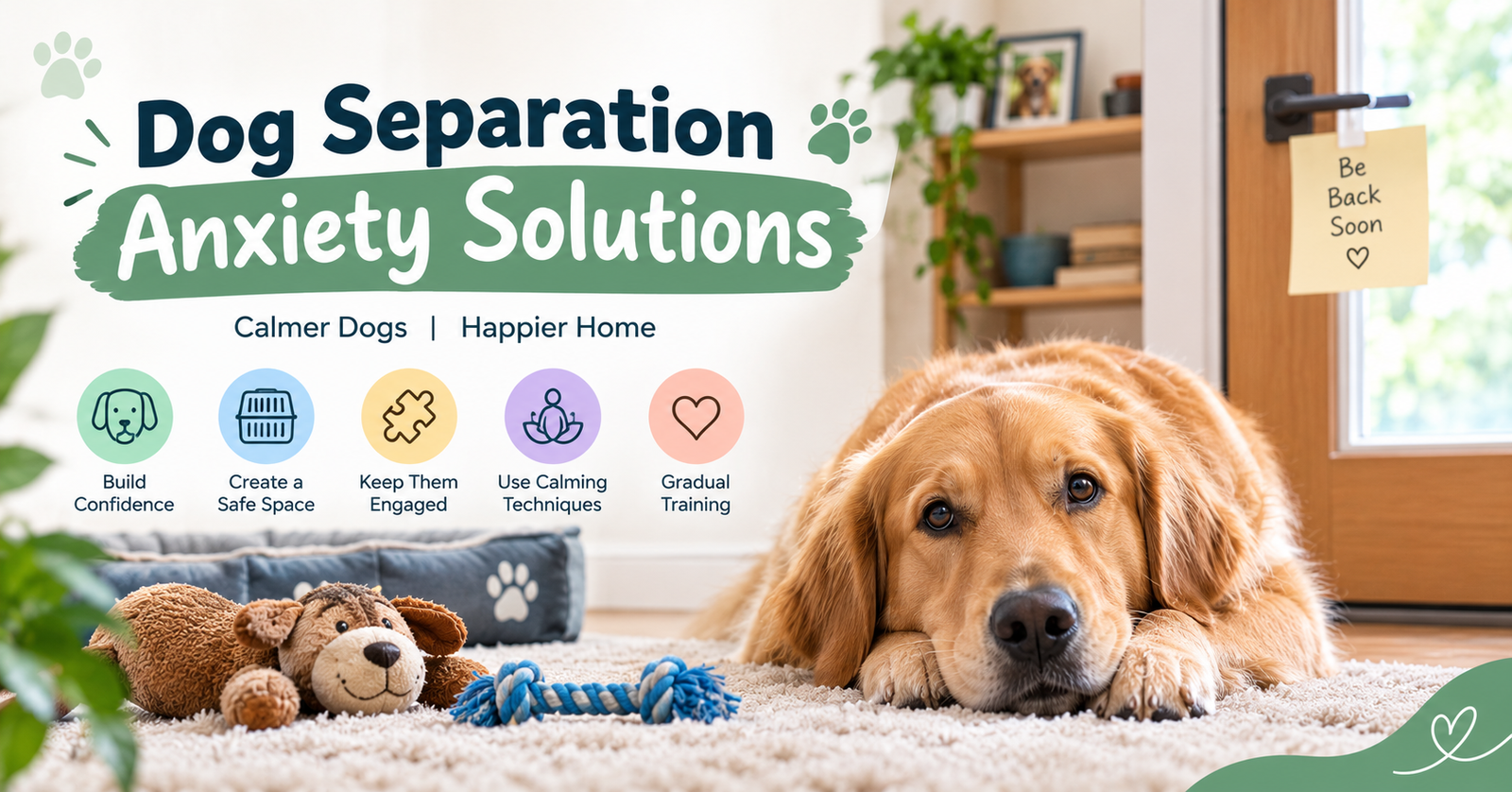
Living with a dog experiencing severe stress when left alone presents emotional challenges for pet owners. The relentless barking, destructive chewing at doorframes, or indoor accidents can make leaving your home feel like a high-stakes ordeal. Understanding real, actionable dog separation anxiety solutions changes your perspective from managing symptoms to fundamentally resolving your pet’s underlying panic response.
Separation anxiety is not an act of spite or a lack of basic obedience training; it is a panic disorder. When your dog is separated from you, their physiological stress response reaches levels comparable to a human experiencing a severe phobia attack. To resolve this distress, you need a systematic strategy rooted in behavioral science, patient counter-conditioning, and environment optimization.
Understanding Canine Panic: What Is Dog Separation Anxiety?
Before jumping into treatments, it is essential to recognize what is occurring psychologically. True separation anxiety occurs when a canine exhibits extreme distress within minutes of their owner’s departure. According to behavioral research detailed on Wikipedia, this condition manifests through specific behavioral markers that trigger as soon as the dog senses an impending departure.
Key Symptoms to Watch For
- Vocalization: Persistent howling, whining, or high-pitched barking that begins shortly after you close the front door.
- Destructive Behavior: Focused destruction around exit points, such as clawing at doorframes, chewing window sills, or tearing up entryway rugs.
- Physiological Responses: Excessive drooling (hypersalivation), heavy panting, dilated pupils, or sudden indoor elimination despite being fully house-trained.
- Pacing and Shadows: Constant pacing along a set path or obsessively shadowing your every movement as you prepare to leave.
Distinguishing Distress from Boredom
It is critical to separate true separation distress from simple canine boredom:
- Boredom: A bored dog will typically chew random household items (like a shoe left on the floor), engage in destructive play sporadically throughout the day, and easily settle down to sleep once they exhaust their energy.
- Separation Anxiety: An anxious dog focuses their destructive behavior strictly on exit points or objects smelling strongly of you. Their panic spikes rapidly within 5 to 30 minutes of your departure.
Root Causes of Separation Distress
Why do some dogs develop this deep fear of isolation while others sleep peacefully all day? Several factors can trigger this psychological vulnerability:
- Sudden Change in Routine: A shift in your work schedule, moving to a new home, or returning to an office after spending months working remotely.
- Traumatic Early Life Events: Shelter dogs or rescues that have experienced abandonment, sudden loss of a primary caregiver, or multiple rehoming cycles carry higher risks of panic behaviors.
- Lack of Independence Training: Puppies raised without practice spending time alone can struggle to build baseline self-soothing skills.
- Genetics and Temperament: While any breed can suffer from panic disorders, high-arousal, closely bonded breeds can sometimes show higher sensitivities to social isolation.
Step-by-Step Behavioral Protocols: Practical Dog Separation Anxiety Solutions
To achieve lasting progress, you must replace your dog’s panic response with a feeling of safety. The following step-by-step behavioral protocol provides a structured approach to desensitization.
Step 1: Neutralize Departure Triggers
Dogs are masters of observation. Long before you open the front door, your dog registers your “departure cues”—picking up your keys, putting on your coat, slipping on your shoes, or grabbing your bag. Their heart rate spikes before you even touch the doorknob.
- The Cue De-Sensitization Exercise: Perform your departure actions without actually leaving. Pick up your keys, walk around the living room, and put them back down. Put on your heavy winter coat, sit on the couch for five minutes, then take it off.
- The Goal: By repeating these actions 10 to 15 times a day without leaving, your keys and coat lose their emotional charge. They become neutral events rather than signals of impending isolation.
Step 2: Implement Classical Counter-Conditioning
Counter-conditioning shifts your dog’s emotional response from negative (fear) to positive (anticipation of something great).
- High-Value Rewards Only: Reserve an extraordinarily high-value treat strictly for departures—something your dog never gets at any other time. Frozen rubber toys stuffed with dog-safe peanut butter, wet food, or plain Greek yogurt work exceptionally well.
- Timing is Everything: Give your dog this high-value puzzle toy right before you step out. In mild cases, the dog begins associating your departure with the arrival of their favorite treat.
- The Golden Rule: If your dog is too panicked to eat when you leave, the anxiety is too high. You must step back to shorter absences.
Step 3: Practice Gradual Desensitization
Desensitization involves exposing your dog to short periods of separation that fall below their panic threshold, slowly increasing the duration over time.
- Micro-Absences: Step outside your front door, close it completely, count to three, and step back inside. Re-enter quietly without big greetings.
- Slow Incremental Build-Up: Gradually increase your away time: 5 seconds, 15 seconds, 30 seconds, 1 minute, 5 minutes.
- Stay Under the Threshold: If your dog vocalizes or paces, you pushed past their limit. Reduce the duration back to a level where they remain relaxed.
Progress is rarely linear; some days will feel like a leap forward, while others require small steps back. Consistency and patience remain vital.
Optimizing the Home Environment
Beyond active training sessions, configuring your home environment can significantly reduce baseline stress levels. For additional tips on holistic pet care, home optimization, and lifestyle strategies, explore dedicated pet care resources like https://thezoqo.com/.
Dedicated Safe Spaces
- Comfort Zones: Create an inviting, cozy sanctuary room or a setup with an open crate (if crate-trained), orthopaedic bedding, and items carrying your scent (like an unwashed t-shirt).
- Avoid Forced Confinement: Never lock a dog with severe separation anxiety inside a crate unless they already view it as a secure haven. Confining a panicking dog often leads to broken teeth, torn claws, and heightened trauma.
Environmental Modulators
- Auditory Masking: Soft classical music, customized canine calming playlists, or white noise machines drown out outdoor triggers like barking neighborhood dogs or passing delivery trucks.
- Visual Distractions: Close blinds or draw curtains if your dog anxiously watches windows, streets, or driveways for your return.
- Calming Pheromones: Plug-in synthetic pheromone diffusers mimic the soothing scents nursing mothers emit, helping lower overall anxiety.
Exercise, Stimulation, and Daily Routine Management
A tired mind and body are naturally less prone to acute stress. Integrating structured mental and physical exercise into your daily routine provides a foundation for emotional stability.
Morning Physical Exercise
Engage your dog in 30 to 45 minutes of meaningful physical activity before you need to leave for work. A brisk walk, a game of fetch, or a run allows them to burn off excess physical energy, making them more likely to rest during your absence.
Mental Stimulation and Enrichment
Mental fatigue relaxes dogs as effectively as physical exercise. Integrate these enrichment strategies into their daily routine:
- Sniffari Walks: Allow your dog to lead the walk and spend time sniffing plants, posts, and trails. Sniffing lowers a dog’s heart rate and satisfies natural exploratory instincts.
- Puzzle Feeders: Ditch standard food bowls. Serve meals using puzzle toys, slow feeders, or snuffle mats to make your dog work for their food.
- Brain Games: Spend 5 to 10 minutes practicing basic tricks or impulse control exercises (like “wait” or “place”) before your departure.
What NOT to Do: Common Pitfalls to Avoid
When dealing with frustrating behaviors like destroyed furniture or soiled carpets, it is easy to make mistakes that inadvertently worsen the problem. Avoid these common traps:
- Never Punish the Dog: Punishing a dog for destructive behavior or accidents that occurred while you were away is harmful and counterproductive. The dog cannot connect punishment with an action taken 30 minutes earlier. Punishment increases overall fear, making their anxiety worse the next time you leave.
- Avoid Over-the-Top Greetings: Making a dramatic scene when returning home reinforces the idea that your return is a major event. Keep greetings calm, low-key, and neutral. Wait until your dog settles down before giving affection.
- Don’t Get Another Pet Just as a Fix: Adding a second dog rarely resolves true separation anxiety. The panic stems from separation from the primary human caregiver, not a lack of animal companionship.
Professional Help and Veterinary Support
When self-guided behavioral modifications plateau or if your dog is engaging in self-injurious behavior, seek professional guidance promptly.
Working with Certified Professionals
Look for credentials such as a Certified Separation Anxiety Trainer (CSAT) or a Board-Certified Veterinary Behaviorist (DACVB). These specialists design custom protocols tailored specifically to your dog’s psychological needs and provide real-time adjustments as your pet progresses.
Prescription Medications and Supplements
For severe cases, behavioral modification alone may not work because the dog’s brain remains constantly flooded with stress hormones.
- Veterinary Medications: Short-term or long-term anti-anxiety medications prescribed by a veterinarian can lower your dog’s baseline stress, bringing them into a psychological state where learning can occur.
- Natural Supplements: Options like L-theanine, chamomile, milk protein hydrolysates (casein), and CBD oils may offer mild calming benefits for mild stress cases. Always consult your veterinarian before starting any supplement regimen.
Long-Term Outlook: Patience and Consistency
Resolving canine separation distress is a gradual process that relies on small, consistent gains. By applying targeted dog separation anxiety solutions—ranging from cue desensitization and gradual absences to environmental enrichment and professional support—you help your dog discover independence and peace of mind. Celebrate small achievements, stay consistent with your protocols, and remember that building emotional confidence takes time.
I found this post really helpful when thinking about HVAC maintenance schedules.
Keeping up with seasonal tune ups can save a lot of money over
time. A licensed HVAC contractor can catch small issues before they turn into expensive repairs.
National AC Solutions is a great resource if
you are looking for professional heating and cooling service in your area.
누군가가 가장 최신의 기술로 업데이트되고 싶다면, 이 웹사이트를 방문해서
매일 최신 정보를 받아야 합니다.
I’m not that much of a internet reader to be honest but your blogs really nice, keep it up!
I’ll go ahead and bookmark your website to come
back later on. Cheers
Wow, what an incredible site! Your posts on 시알리스 are spot-on. I love how you break down complex topics
into easy-to-understand points. I’ll be sharing this with my friends.
Thanks for the great content!
이 블로그는 정말 대단한 곳이에요!
시알리스 관련 콘텐츠가 너무 유익해요.
SEO를 강화하기 위해 키워드 최적화 팁이 있다면
공유해 주세요. 멋진 포스트 감사합니다!
감사합니다!
After going over a few of the articles on your web site, I really like your technique of blogging.
I saved it to my bookmark website list and will be checking
back in the near future. Please visit my web site as well and let me know what you think.
It’s actually a great and useful piece of info.
I am satisfied that you simply shared this useful
information with us. Please keep us informed like this.
Thank you for sharing.