 By Thezoqo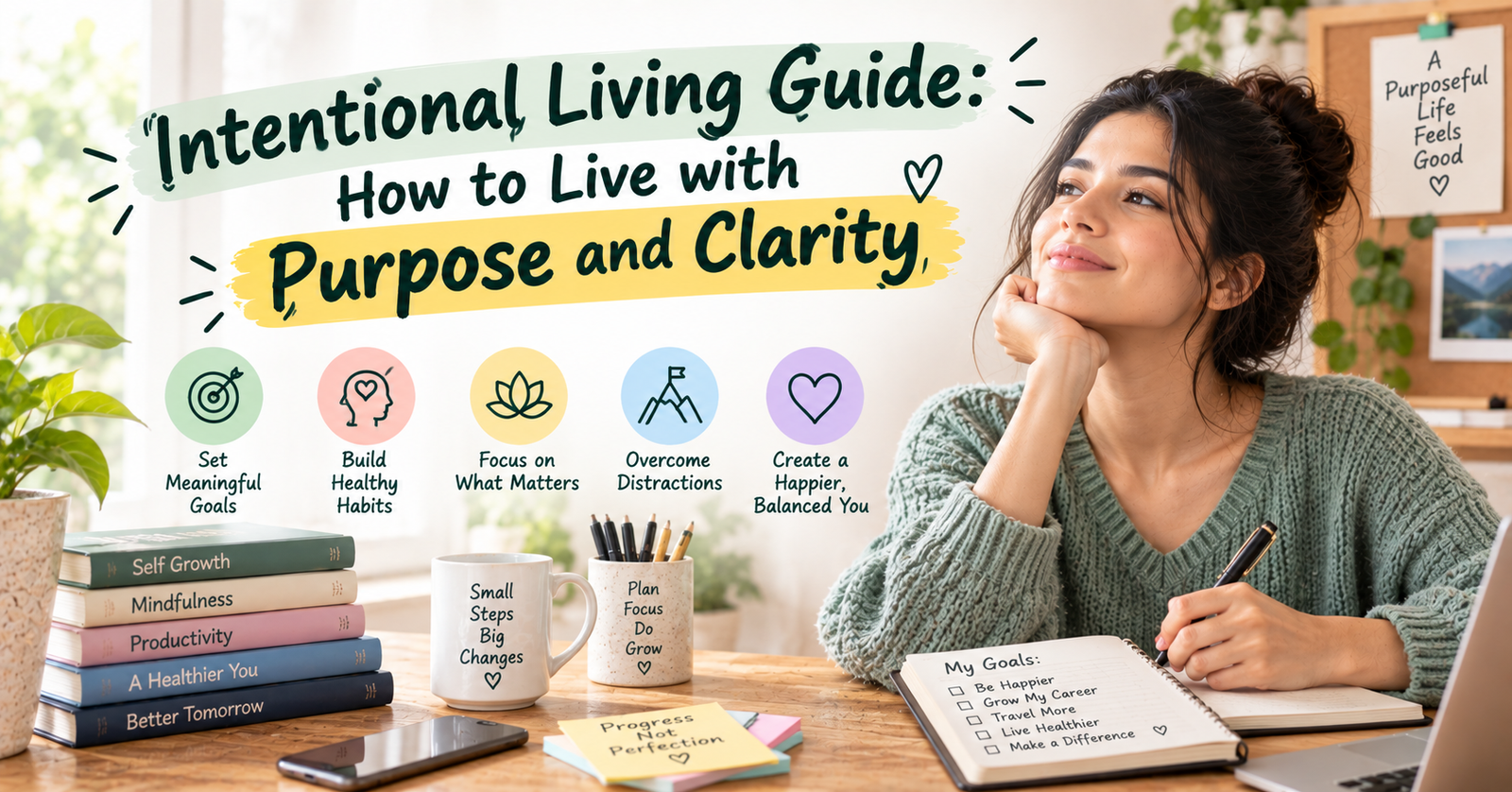
In a modern world dominated by constant digital distractions, fast-paced work environments, and endless social expectations across the US and Canada, many people find themselves trapped on autopilot. Days blur together as daily demands push personal priorities into the background. If you feel as though your life is being directed by external circumstances rather than your own choices, adopting an intentional living guide offers a transformative roadmap back to personal clarity and daily fulfillment.
Living with intention is not about creating a flawless, stress-free existence or abandoning all your responsibilities overnight. Instead, following a structured intentional living guide empowers you to align your daily decisions, routines, and long-term habits with your core values. When you shift from reactive habits to proactive choices, you reclaim control over your time, mental energy, and personal growth.
What Is Intentional Living?
At its heart, intentional living means making conscious, deliberate choices based on what truly matters most to you, rather than conforming to societal pressure or passive routine.
According to historical and sociological perspectives on intentional living, the lifestyle is rooted in an individual’s or group’s conscious effort to design daily habits according to their fundamental ethics, values, and long-term beliefs. Rather than letting life happen to you, an intentional living guide teaches you how to design your life on your own terms.
Intentional Living vs. Living on Autopilot
- Living on Autopilot: Saying yes to commitments out of obligation, spending hours on aimless screen scrolling, making reactive financial choices, and feeling perpetually exhausted without clear purpose.
- Intentional Living: Setting clear boundaries, protecting your focus, investing energy in meaningful relationships, and allocating time toward personal fulfillment and growth.
Core Pillars of an Intentional Lifestyle
Before applying practical strategies, it is essential to understand the core foundational pillars behind every effective intentional living guide.
- Self-Awareness: Recognizing your physical, emotional, and mental state so you can respond thoughtfully rather than react impulsively.
- Value Alignment: Identifying your highest personal values—such as health, family, creative expression, or financial independence—and using them as a decision-making compass.
- Clutter Reduction: Eliminating physical clutter, digital distractions, and toxic social obligations that drain your vital energy.
- Mindful Consumption: Being deliberate about the food you eat, the digital media you consume, and the products you bring into your home.
The Benefits of Following an Intentional Living Guide
Embracing a lifestyle centered around intent yields measurable improvements across every dimension of your life:
- Greater Mental Clarity: Removing unnecessary mental clutter allows you to focus on high-priority goals without feeling overwhelmed.
- Stronger Emotional Resilience: When challenges arise, knowing your purpose provides a stable anchor that helps you navigate setbacks smoothly.
- Enhanced Financial Health: Mindful spending habits drastically reduce impulse buys, allowing you to invest in long-term goals and meaningful experiences.
- Deeper Personal Relationships: Choosing to be fully present with loved ones strengthens trust, connection, and communication.
- Reduced Burnout and Stress: Establishing healthy boundaries helps protect your physical and emotional well-being from chronic burnout.
For additional resources on lifestyle trends, personal growth strategies, and practical wellness advice, explore updates at thezoqo.
Step-by-Step Practical Blueprint for Intentional Living
If you are ready to put this intentional living guide into action, follow these practical steps to reshape your daily life step by step.
Step 1: Discover Your Core Values
Step 2: Conduct a Comprehensive Life & Time Audit
Step 3: Establish Clear and Firm Personal Boundaries
Step 4: Simplify Your Physical and Digital Environments
Step 5: Design Purposeful Morning and Evening Routines
Step 6: Practice Daily Reflection and Mindful Course Correction
Step 1: Discover Your Core Values
You cannot live intentionally if you do not know what you stand for. Sit down with a journal and list your top 3 to 5 core values. Ask yourself:
- What activities leave me feeling energized and fulfilled?
- What values do I want to define my personal and professional life?
- If I could only focus on three priorities this year, what would they be?
Step 2: Conduct a Comprehensive Life & Time Audit
Take an honest look at how you spend your time, energy, and financial resources each week. Keep a simple time journal for seven days. Track hours spent working, commuting, browsing social media, and resting. Compare your actual schedule against your core values to identify major mismatches.
Step 3: Establish Clear and Firm Personal Boundaries
Living intentionally requires learning how to say “no” to opportunities, events, or demands that do not align with your core priorities. Protect your time fiercely:
- Set fixed work hours to prevent professional duties from bleeding into family time.
- Politely decline social engagements that feel draining rather than uplifting.
- Limit accessibility by turning off non-essential phone notifications.
Step 4: Simplify Your Physical and Digital Environments
Your surrounding environment heavily influences your internal state. Decluttering your living space and digital desktop removes friction and restores calm:
- Physical Space: Keep surfaces clean, donate clothes you no longer wear, and create dedicated spaces for work and relaxation.
- Digital Space: Unsubscribe from junk email lists, delete unused smartphone apps, and set strict daily screen-time limits.
Step 5: Design Purposeful Morning and Evening Routines
How you start and end your day sets the tone for your entire mindset. Build simple, intentional bookends for your day:
- Morning Anchor: Avoid grabbing your smartphone immediately upon waking. Spend 15 to 30 minutes reading, meditating, journaling, or enjoying a quiet cup of coffee.
- Evening Wind-Down: Turn off electronic screens 60 minutes before bed, review your top priorities for tomorrow, and engage in relaxing bedtime habits.
Step 6: Practice Daily Reflection and Course Correction
Intentional living is an ongoing practice, not a fixed destination. Spend five minutes at the end of each day reflecting on your decisions:
- Where did I live in alignment with my values today?
- What distracted me or pulled me off course?
- How can I adjust my approach tomorrow?
Overcoming Common Hurdles in Intentional Living
Even with a comprehensive intentional living guide, transitioning away from old habits presents common challenges. Here is how to handle them effectively:
- Fear of Missing Out (FOMO): Saying no to good opportunities allows you to say yes to great ones. Shift your perspective from loss to intentional focus.
- Perfectionism Trap: Do not aim for a perfect schedule every day. Growth comes from consistent, small adjustments over time.
- Social Resistance: Friends or family members accustomed to your old patterns may react with surprise when you enforce new boundaries. Communicate your goals calmly and stick to your plan.
Frequently Asked Questions
How long does it take to build an intentional lifestyle?
Developing intentional habits takes consistent effort over several weeks. Most people notice a significant improvement in focus, energy, and stress reduction within 3 to 4 weeks of consistent effort.
Can I practice intentional living on a busy schedule?
Yes! An intentional living guide is especially valuable for busy individuals. Intentionality is not about having more free time; it is about choosing how to spend the time you have wisely.
What is the difference between minimalism and intentional living?
Minimalism focuses primarily on reducing physical possessions and simplifying material lifestyle. Intentional living is broader—it encompasses time management, emotional awareness, relationship choices, and overall life purpose.
Conclusion: Start Living on Purpose Today
Implementing a practical intentional living guide gives you the tools needed to step off autopilot and take charge of your life’s direction. By defining your core values, auditing your time, decluttering your physical surroundings, and practicing daily mindfulness, you can build a deeply rewarding, purpose-driven lifestyle.
Take the first step today: pick one small area of your routine, apply conscious choice, and experience the transformative power of intentional living.