 By Thezoqo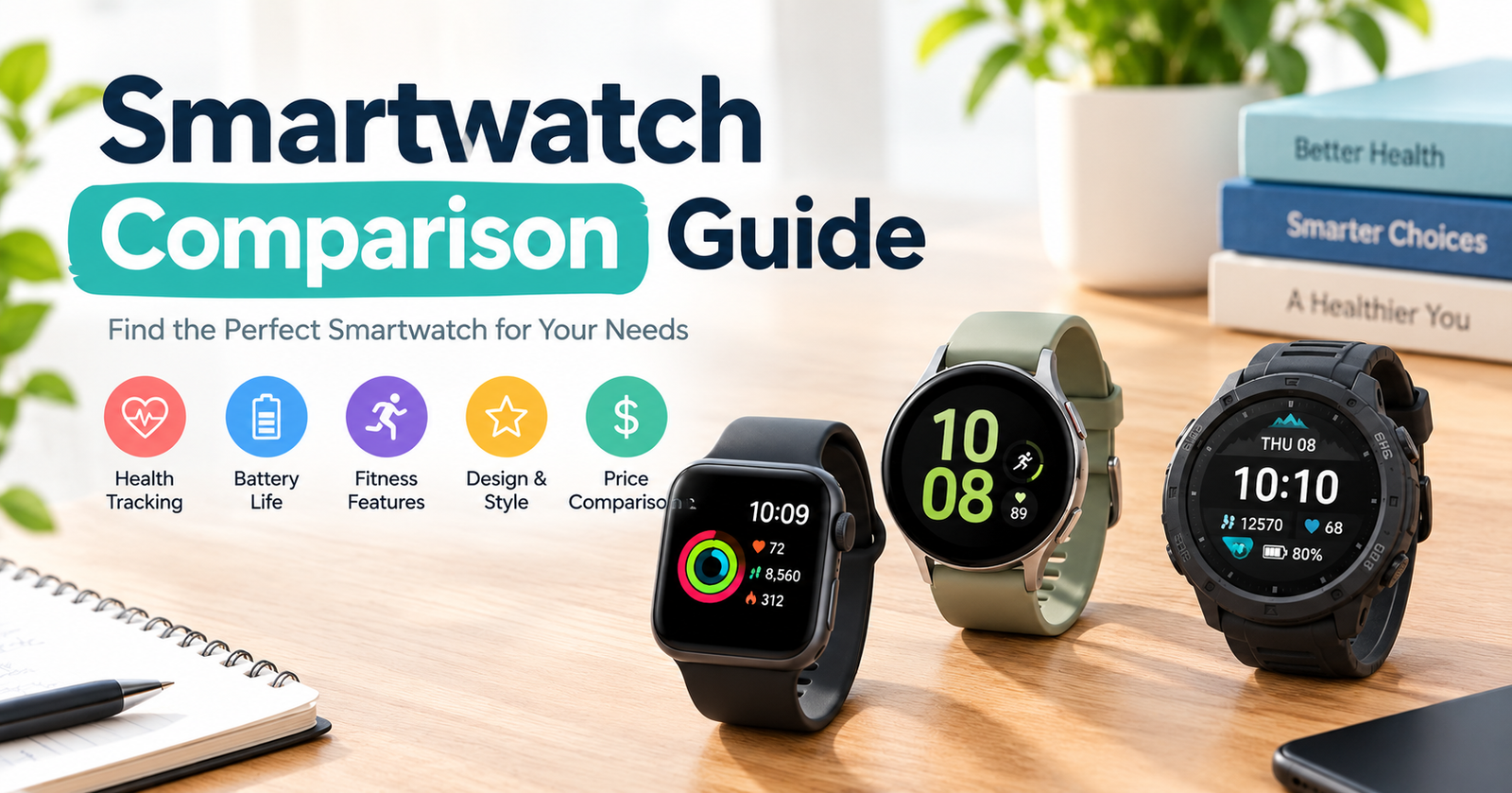
The modern wearable technology market offers an astounding array of options, ranging from basic fitness bands to powerful wrist-worn computers. Whether you want to track athletic performance, manage daily notifications, monitor vital health metrics, or leave your phone at home, choosing the right device requires looking beyond flashy advertising. A comprehensive smartwatch comparison guide helps break down technical specifications, operating system limits, hardware choices, and sensor capabilities into clear, practical insights.
Selecting a wrist wearable is a deeply personal choice that combines aesthetics, comfort, software convenience, and lifestyle needs. Buying a device without checking platform compatibility or battery performance often leads to frustration. This ultimate smartwatch comparison guide provides the foundational knowledge you need to compare top models, balance features against cost, and choose a watch that fits your daily routine.
Understanding the engineering history behind the modern smartwatch highlights how these devices evolved from digital wristwatches into advanced health monitors and communication hubs. In this guide, we break down essential features, display technologies, battery specs, health sensors, and software ecosystems to help you make an informed decision.
Operating System and Ecosystem Compatibility
Before evaluating hardware, screen brightness, or strap styles, platform compatibility must be your first filter. Operating systems strictly control app availability, notification replies, voice assistant integration, and phone syncing.
- Apple watchOS Integration: Designed exclusively for iPhone users, watchOS delivers fluid animations, tight software integration, deep Siri capabilities, and an expansive third-party app library. iPhone owners gain seamless call, text, and media control.
- Google Wear OS Platform: Powering flagship devices from Samsung, Google, and Mobvoi, Wear OS is the premier platform for Android users. It offers deep integration with Google Wallet, Google Maps, turn-by-turn navigation, and native voice control.
- Garmin OS and Proprietary Systems: Focused primarily on athletic performance, sports performance metrics, and endurance, proprietary operating systems favor battery longevity over complex app stores. They maintain full cross-platform compatibility with both iOS and Android devices.
- Cross-Platform Limitations: While system-agnostic watches connect to both major phone platforms, feature sets often vary. Certain features like quick text replies or remote camera control may only work when paired with the same brand’s smartphone.
Display Technologies: AMOLED vs. Memory-in-Pixel
A smartwatch display dictates both visual clarity and daily battery consumption. Choosing between vibrant colors and outdoor readability is one of the most critical steps in any smartwatch comparison guide.
- Vibrant AMOLED and OLED Displays: High-resolution AMOLED screens deliver deep black levels, brilliant colors, and high peak brightness, making user interfaces pop. However, powering these bright pixels drains battery life much faster.
- Transflective Memory-in-Pixel (MIP) Screens: Popular on outdoor sports watches, MIP displays use ambient sunlight to illuminate the screen. They excel in direct, bright sunlight and consume tiny amounts of energy, extending battery life significantly.
- Always-On Display (AOD) Considerations: Turning on an always-on display keeps the watch face visible at all times, mimicking a traditional timepiece. Be aware that enabling AOD typically cuts daily battery life in half on AMOLED devices.
- Cover Glass Durability: Entry-level models use chemically strengthened glass, while premium smartwatches feature lab-grown sapphire crystal displays. Sapphire provides superior scratch resistance, protecting against accidental scrapes during outdoor activities.
Battery Life Expectations and Charging Speed
Battery performance remains a primary dividing line in modern wearable tech. Your daily habits dictate whether a device requiring daily charging or one lasting weeks best suits your lifestyle.
- Daily Chargers (18 to 36 Hours): Feature-packed flagships running high-resolution displays and continuous cellular connectivity require daily charging. They fit best into routines where charging overnight or during morning showers is simple.
- Multi-Day Performers (3 to 7 Days): Balanced smartwatches optimize background sync and sensor sampling to last several days per charge. These models provide reliable sleep tracking without mid-week battery anxiety.
- Endurance and Solar Models (14+ Days): Dedicated training and outdoor adventure watches stretch battery life into weeks or even months by using efficient processors, MIP displays, and integrated solar charging panels.
- Fast Charging Systems: Modern quick-charge capabilities allow users to top up their battery from empty to 80 percent in under an hour, making high-draw devices much easier to keep running.
To discover more tech buying guides, gadget reviews, and consumer electronics trends, check out the comprehensive resources at thezoqo.
Health, Fitness, and Safety Sensor Suites
Modern smartwatches act as proactive health monitors, collecting biomechanical and physiological data around the clock to give you actionable health insights.
- Optical Heart Rate and ECG Monitoring: Multi-channel optical sensors track real-time heart rate, resting heart rate trends, and heart rate variability (HRV). Onboard Electrocardiogram (ECG) tech detects irregular heart rhythms like Atrial Fibrillation.
- Blood Oxygen (SpO2) and Sleep Tracking: Infrared sensors monitor blood oxygen saturation throughout the night. Combined with accelerometer data, these metrics track sleep stages, breathing disturbances, and overall recovery quality.
- Multi-Frequency GPS and Navigation: Dual-frequency GNSS tracking locks onto multiple satellite constellations simultaneously. This yields pinpoint routing accuracy through dense city streets, heavy tree canopy, or mountain trails.
- Built-In Safety and Emergency Alerts: High-g accelerometers and gyroscopes detect hard falls or car crashes. If triggered, the watch sends automated emergency alerts with precise GPS coordinates to trusted contacts and emergency services.
Frequently Asked Questions
What is the primary difference between a fitness tracker and a smartwatch?
A fitness tracker focuses primarily on counting steps, tracking workouts, monitoring heart rate, and logging sleep with minimal phone integration or app support. A smartwatch functions as an extension of your phone, featuring rich touchscreens, standalone apps, voice assistants, contactless payments, and direct notification responses.
Can I use a smartwatch without having my smartphone nearby?
Yes, but capabilities depend on hardware specs. Models with built-in GPS track workouts, runs, and outdoor navigation independently. Models equipped with active LTE cellular connections allow you to send texts, take phone calls, stream music, and access internet data entirely without your phone.
How accurate are smartwatch health sensors compared to medical equipment?
Consumer smartwatches offer impressive accuracy for daily health trends, heart rate monitoring, and workout tracking. However, they are wellness devices rather than diagnostic medical tools. While FDA-cleared features like ECG and fall detection are highly reliable, always consult a healthcare professional for clinical diagnoses.
Is a sapphire crystal screen worth the extra cost?
If you work in rugged environments, practice outdoor sports, or frequently bump your wrist against hard surfaces, upgrading to sapphire crystal is worth the investment. Synthetic sapphire is extremely scratch-resistant, keeping your display free from permanent scuffs and scratches for years.
Conclusion: Making Your Decision
Using a structured smartwatch comparison guide simplifies your search by matching hardware features to your personal daily routine. By evaluating operating system compatibility, display preferences, battery expectations, and health sensor needs, you can choose a wearable that truly enhances your lifestyle.
Before making a final purchase, consider your daily habits and long-term tech goals. Pick an operating system that pairs smoothly with your current phone, choose a battery lifespan that fits your routine, and select the sensors that match your fitness targets. The right smartwatch quickly becomes an invaluable assistant on your wrist.