 By Thezoqo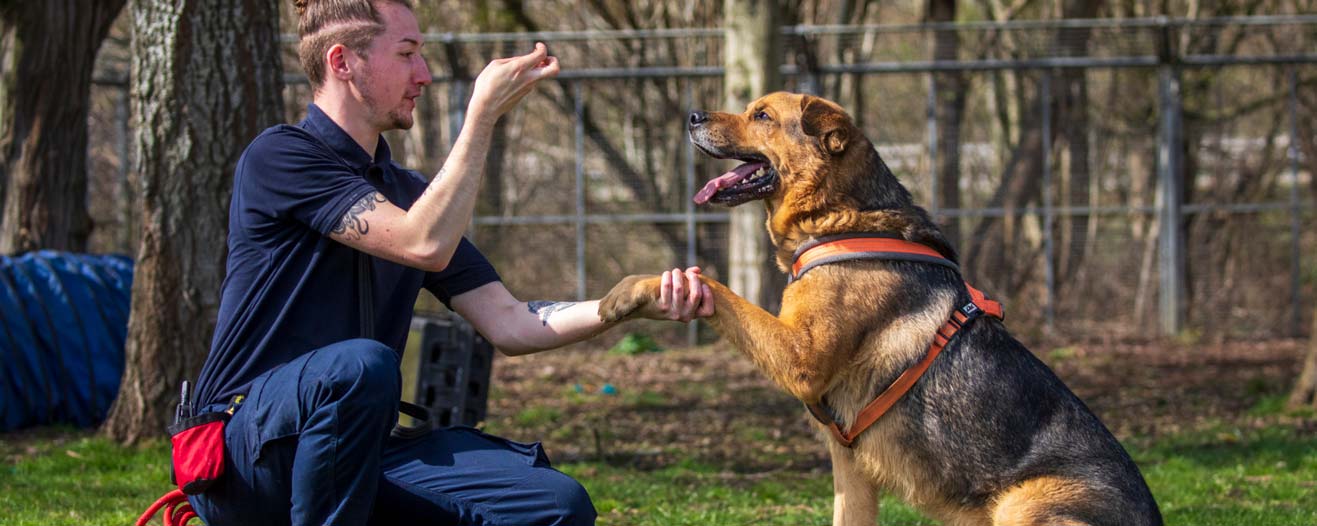
Training a dog may seem challenging at first, especially if you are a beginner. Many dog owners think professional trainers or expensive classes are necessary to teach good behavior. The truth is that you can successfully train your dog right at home with patience, consistency, and the right approach. Learning how to train your dog at home helps build trust, improves communication, and creates a stronger bond between you and your furry companion.
Dogs are intelligent animals that learn through repetition, rewards, and clear communication. Whether you have a playful puppy or an older dog, home training can help manage unwanted behaviors like barking, jumping, or chewing while teaching positive habits such as sitting, staying, and walking calmly on a leash.
This beginner-friendly guide will walk you through everything you need to know about training your dog at home. The language is simple, practical, and easy to follow so anyone can start training successfully.
🐾 Why Training Your Dog at Home Is Important
Home training offers many benefits for both dogs and owners.
Benefits include:
- 🏠 Comfortable environment for learning
- ❤️ Stronger bond between owner and dog
- 💰 Saves money on training classes
- ⏰ Flexible schedule
- 🐕 Better behavior in daily life
Training is not just about obedience; it helps your dog feel safe, confident, and mentally stimulated.
🧠 Understanding How Dogs Learn
Before learning how to train your dog at home, it’s important to understand how dogs learn.
Dogs respond best to:
- Positive reinforcement (rewards)
- Consistency
- Clear commands
- Short training sessions
Avoid punishment-based methods, as they can create fear and confusion.
🎯 Step 1: Set Up a Training-Friendly Environment
A calm environment helps your dog focus.
Tips:
- Choose a quiet room initially.
- Remove distractions.
- Keep training treats ready.
- Use a positive and calm tone.
Starting simple makes learning easier.
🍖 Step 2: Use Positive Reinforcement
Positive reinforcement means rewarding good behavior immediately.
Rewards can include:
- Small treats
- Praise (“Good dog!”)
- Toys
- Gentle petting
When your dog connects good behavior with rewards, learning becomes faster.
⏱️ Step 3: Keep Training Sessions Short
Dogs learn best in short bursts.
- 5–10 minutes per session
- 2–3 times daily
- End on a positive note
Short sessions prevent boredom and frustration.
🐕 Basic Commands Every Dog Should Learn
Teaching basic commands is the foundation of learning how to train your dog at home.
🪑 Sit Command
- Hold a treat near your dog’s nose.
- Move it slowly upward.
- As their head follows, their bottom will lower.
- Say “Sit” and reward immediately.
Practice daily until consistent.
✋ Stay Command
- Ask your dog to sit.
- Hold your hand out and say “Stay.”
- Take one step back.
- Reward if they remain still.
Increase distance gradually.
🐾 Come Command
This command improves safety.
- Use a happy voice.
- Say your dog’s name + “Come.”
- Reward when they approach.
Always make coming to you a positive experience.
🚫 Leave It Command
Helpful for preventing unsafe behavior.
- Show a treat in your closed hand.
- Let your dog sniff.
- Say “Leave it.”
- Reward when they stop trying.
This teaches self-control.
🚶 Leash Training at Home
Many beginners struggle with pulling on walks.
Steps:
- Let your dog wear the leash indoors first.
- Reward calm walking beside you.
- Stop walking when pulling occurs.
- Continue only when the leash relaxes.
Consistency is key.
🐶 Potty Training Tips for Beginners
Potty training is often the first challenge for new dog owners.
Tips:
- Take your dog out after meals and naps.
- Use a fixed potty spot.
- Reward immediately after success.
- Keep a regular schedule.
Avoid punishment for accidents; focus on guidance.
🧩 Mental Stimulation Is Training Too
Dogs need mental exercise as much as physical activity.
Ideas include:
- Puzzle toys
- Hide-and-seek games
- Learning new tricks
- Food-dispensing toys
A mentally stimulated dog is less likely to develop bad habits.
😃 Socialization at Home
Socialization helps dogs stay calm around people and environments.
Expose your dog gradually to:
- Different sounds
- Visitors
- New environments
- Other friendly dogs
Positive exposure builds confidence.
🚫 Common Mistakes Beginners Make
Avoid these common errors when learning how to train your dog at home:
- Inconsistent commands
- Long training sessions
- Punishing mistakes
- Expecting fast results
- Skipping daily practice
Progress takes time and patience.
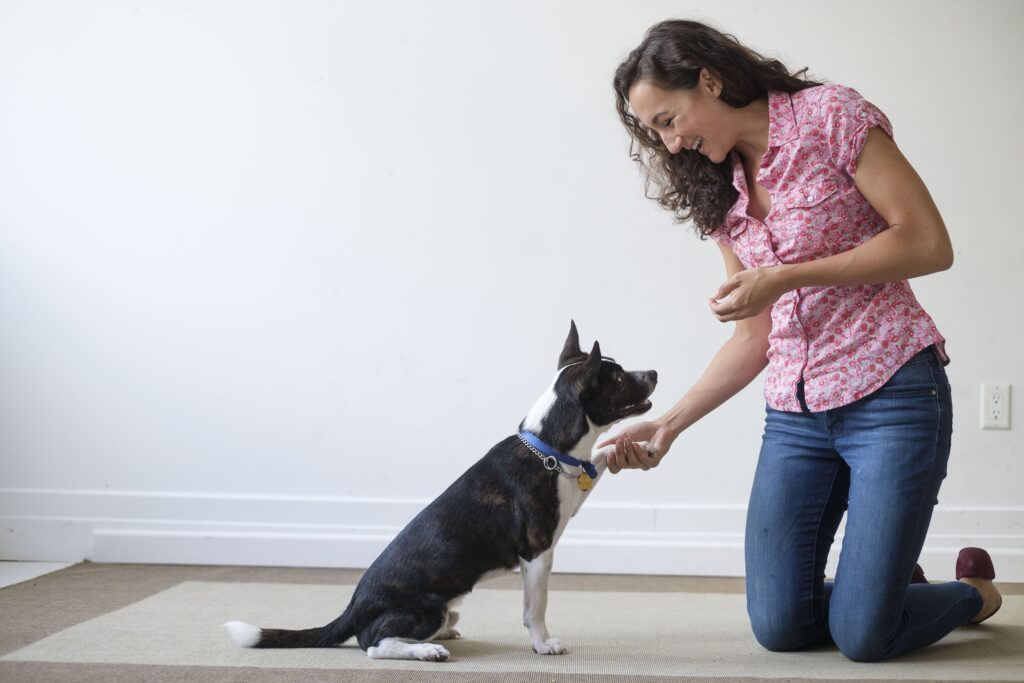
📅 Sample Daily Dog Training Routine
Morning: Potty break + short training session
Afternoon: Walk + leash practice
Evening: Command review + playtime
Night: Calm routine before sleep
Short daily practice works best.
🧠 Building Trust and Communication
Your relationship with your dog matters more than perfect obedience.
Tips:
- Use calm voice tones
- Reward effort
- Be patient
- Stay consistent
Trust improves learning speed.
🏡 Training Older Dogs at Home
Older dogs can absolutely learn new skills.
Tips:
- Use gentle encouragement
- Keep sessions shorter
- Reward often
- Focus on simple goals first
Age is not a barrier to learning.
🐾 How Long Does Dog Training Take?
Every dog learns differently.
- Basic commands: 2–4 weeks
- Consistent habits: 2–3 months
- Advanced skills: ongoing practice
Consistency matters more than speed.
❤️ Benefits of Training Your Dog at Home
- Improved behavior
- Stronger bond
- Less stress
- Better safety
- Happier household
Training builds communication and trust that lasts a lifetime.
❓ Frequently Asked Questions
🤔 Can I train my dog without treats?
Yes, but treats make learning faster. You can gradually replace treats with praise.
🐶 What age should training start?
Training can begin as early as 8 weeks old.
⏰ How often should I train my dog?
Daily short sessions are most effective.
🏁 Final Thoughts
Learning how to train your dog at home is one of the most rewarding experiences for any pet owner. With patience, positive reinforcement, and consistent daily practice, you can teach your dog good behavior and build a strong lifelong bond. Remember that training is not about perfection — it’s about communication, trust, and gradual progress.
Start with simple commands, keep sessions short, and celebrate small wins. Over time, your dog will become more confident, obedient, and happy. Home training is not only effective but also a wonderful way to spend quality time with your furry friend.
Your journey begins today — one command, one reward, and one happy wag at a time.
Fantastic beat ! I wish to apprentice while you amend your site, how could i subscribe for a blog website?
The account helped me a acceptable deal. I had been a little bit
acquainted of this your broadcast offered bright clear idea
I do not know whether it’s just me or if everyone else experiencing problems with your website.
It seems like some of the written text within your content are
running off the screen. Can someone else please provide feedback and let me know if this is happening to them as well?
This may be a issue with my internet browser because I’ve had this happen before.
Thanks
These are genuinely wonderful ideas in about blogging.
You have touched some pleasant factors here. Any way keep up
wrinting.
Howdy! I could have sworn I’ve visited this blog before but after browsing through a few of
the articles I realized it’s new to me. Nonetheless, I’m
certainly happy I found it and I’ll be bookmarking it and checking back regularly!
This website was… how do I say it? Relevant!! Finally
I have found something that helped me. Thanks!
Howdy! I just wish to give you a big thumbs up for
the great info you have got right here on this
post. I will be returning to your web site for more soon.