 By Thezoqo
The biodiversity crisis is accelerating. Scientists warn that we are living through the sixth mass extinction, driven largely by human activity. Habitat destruction, illegal wildlife trade, pollution, and climate change are pushing countless species toward extinction.
Understanding the Top 15 Endangered Animals in 2026 is not just about learning animal names — it’s about recognizing urgent environmental realities and taking meaningful action.
In this fully detailed guide, we will explore the Top 15 Endangered Animals, examine why they are threatened, analyze global conservation efforts, and explain exactly how individuals can help save them.
What Does “Endangered” Mean?
The conservation status of animals is assessed by the International Union for Conservation of Nature (IUCN).
Species are classified into categories such as:
- Vulnerable
- Endangered
- Critically Endangered
- Extinct in the Wild
- Extinct
Animals listed among the Top 15 Endangered Animals are either endangered or critically endangered, meaning they face a very high risk of extinction in the wild.
Why Are So Many Animals Endangered in 2026?
Before diving into the Top 15 Endangered Animals, we must understand the root causes:
1. Habitat Loss
Forests are cleared for agriculture, urban expansion, and mining. Wetlands are drained. Oceans are polluted.
2. Climate Change
Rising temperatures alter ecosystems, affecting food chains and breeding patterns.
3. Poaching and Illegal Trade
Many animals are hunted for ivory, fur, meat, or traditional medicine.
4. Overfishing
Marine species are caught faster than they can reproduce.
5. Human-Wildlife Conflict
As humans expand into natural habitats, conflicts increase.
Organizations like World Wildlife Fund continue to monitor and fight these threats.
Top 15 Endangered Animals in 2026
Below is a detailed breakdown of the Top 15 Endangered Animals, including their population status, threats, and conservation solutions.
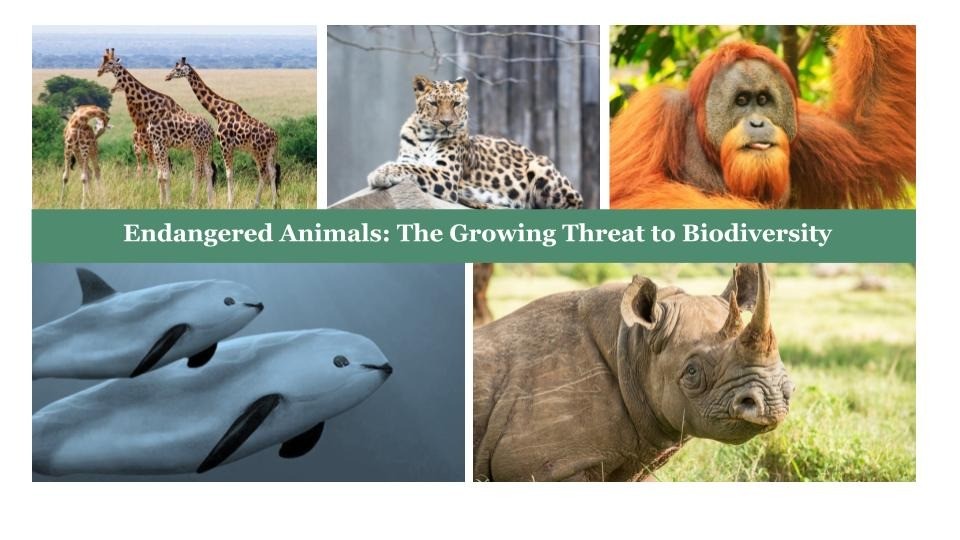
1. Amur Leopard
Status: Critically Endangered
Estimated Wild Population: Fewer than 120
Habitat:
Russian Far East and northeastern China.
Why It’s Endangered:
- Illegal hunting for fur
- Habitat fragmentation
- Inbreeding due to small population
Conservation Efforts:
- Anti-poaching patrols
- Protected reserves
- Breeding programs
How You Can Help:
- Support conservation charities
- Avoid products linked to illegal wildlife trade
2. Javan Rhino
Status: Critically Endangered
Population: Around 75
All remaining individuals live in one national park in Indonesia.
Major Threats:
- Natural disasters (tsunamis, volcanic eruptions)
- Disease
- Limited genetic diversity
Protection of habitat is crucial for survival.
3. Vaquita
Status: Critically Endangered
Population: Fewer than 20
The vaquita is the rarest marine mammal.
Main Threat:
Accidental capture in illegal gillnets used for fishing.
Urgent Action Needed:
- Enforce fishing bans
- Promote sustainable seafood
4. Sumatran Orangutan
Status: Critically Endangered
Habitat:
Sumatra’s tropical rainforests.
Threats:
- Palm oil plantations
- Illegal pet trade
- Logging
Choosing certified sustainable palm oil products helps protect their habitat.
5. African Forest Elephant
Status: Critically Endangered
Threats:
- Ivory poaching
- Mining operations
- Deforestation
Elephants are ecosystem engineers — their loss impacts entire forests.
6. Hawksbill Turtle
Status: Critically Endangered
Why They Matter:
They maintain coral reef health.
Threats:
- Plastic pollution
- Coral reef destruction
- Illegal shell trade
Reducing plastic consumption directly helps marine life.
7. Mountain Gorilla
Status: Endangered
Thanks to conservation, their numbers have increased slightly.
Conservation Success:
- Strict anti-poaching laws
- Controlled eco-tourism
- Community involvement
8. Red Panda
Status: Endangered
Threats:
- Deforestation
- Climate change
- Poaching
They depend heavily on bamboo forests.
9. Snow Leopard
Status: Vulnerable
Threats:
- Retaliatory killings by farmers
- Illegal fur trade
Community-based livestock protection programs reduce conflict.
10. Blue Whale
Status: Endangered
The largest animal on Earth.
Threats:
- Ship strikes
- Ocean noise
- Climate change
Marine protected areas are critical.
11. Asian Elephant
Status: Endangered
Threats:
- Habitat fragmentation
- Human-elephant conflict
Wildlife corridors help reduce conflict.
12. Philippine Eagle
Status: Critically Endangered
One of the largest and rarest eagles.
Threat:
Deforestation.
13. Black Rhino
Status: Critically Endangered
Main Threat:
Poaching for horn.
Technology such as drones and GPS tracking helps protect them.
14. Saola
Status: Critically Endangered
Rarely seen and extremely elusive.
15. Giant Pangolin
Status: Endangered
Most trafficked mammal worldwide.
How Climate Change Impacts the Top 15 Endangered Animals
Climate change affects:
- Ocean acidification
- Rising sea levels
- Food availability
- Breeding seasons
Polar and marine animals are especially vulnerable.
Global Conservation Strategies
Governments and organizations focus on:
- Protected national parks
- Anti-poaching patrols
- Wildlife trade bans
- Captive breeding programs
- Habitat restoration
International agreements regulate wildlife trade.
How Individuals Can Help Save the Top 15 Endangered Animals
1. Reduce Carbon Footprint
Use public transport and renewable energy.
2. Avoid Wildlife Products
Never buy ivory, exotic skins, or illegal animal products.
3. Support Ethical Brands
Choose eco-friendly companies.
4. Donate to Conservation
Even small monthly contributions help.
5. Spread Awareness
Share information about endangered species.
Why Protecting the Top 15 Endangered Animals Is Essential
Endangered animals maintain:
- Ecosystem balance
- Pollination
- Seed dispersal
- Food chain stability
Losing them causes ripple effects across the planet.
The Economic Importance of Wildlife
Wildlife tourism supports millions of jobs worldwide. Protecting endangered species also protects local economies.
What Happens If We Fail?
If extinction continues:
- Food chains collapse
- Natural disasters worsen
- Human survival becomes threatened
Extinction is permanent.
Hope for the Future
Some species have recovered thanks to conservation:
- Bald eagles
- Giant pandas
- Certain whale species
This proves that action works.
Final Thoughts on the Top 15 Endangered Animals
The Top 15 Endangered Animals in 2026 highlight the urgent need for global environmental responsibility.
Saving them requires:
- Government action
- Corporate accountability
- Individual lifestyle changes
Every action matters. By supporting conservation, reducing waste, and spreading awareness, we can protect biodiversity and ensure a thriving planet for future generations.