 By Thezoqo
In today’s hyper-connected world, screens dominate nearly every part of our lives. From smartphones and laptops to tablets and smart TVs, we spend hours scrolling, streaming, working, and communicating online. While technology has improved productivity and connectivity, it has also created a growing mental health crisis driven by digital overload. This is why experts are now talking about the Rise of Digital Detox and how consciously reducing screen time can dramatically improve mental wellness.
The Rise of Digital Detox is not about rejecting technology entirely. Instead, it is about building a healthier relationship with digital devices. As more research highlights the connection between excessive screen time and anxiety, depression, poor sleep, and reduced attention span, people across the United States are embracing digital detox practices to regain balance.
In this detailed guide, we will explore what the Rise of Digital Detox means, why it matters, the science behind screen time and mental health, and how you can implement practical strategies to improve your emotional well-being.
Understanding the Rise of Digital Detox
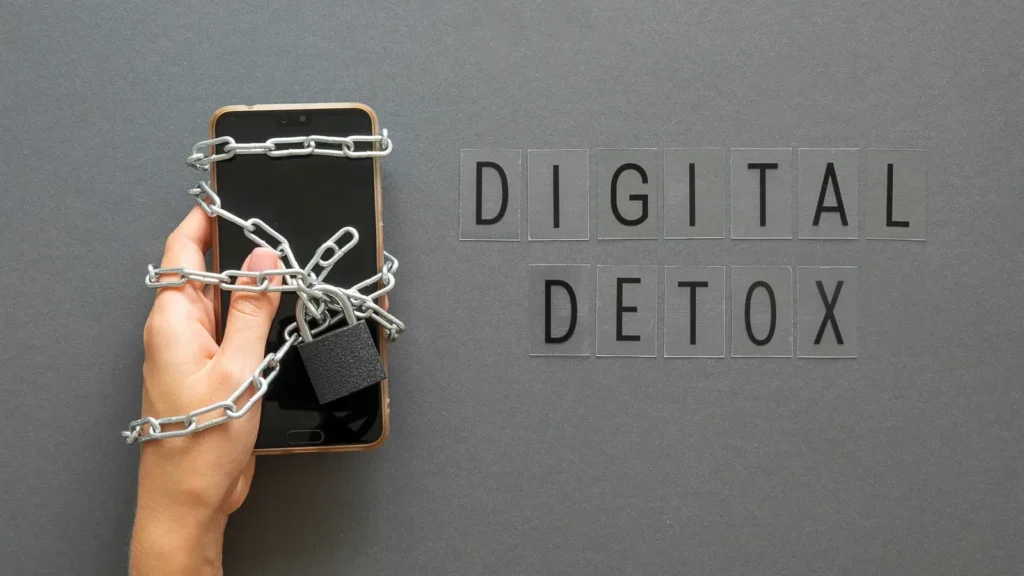
The Rise of Digital Detox refers to a growing movement where individuals intentionally reduce or eliminate screen exposure for a set period to improve mental clarity, emotional health, and overall well-being.
Digital detox can include:
- Limiting social media usage
- Turning off notifications
- Taking breaks from smartphones
- Avoiding screens before bedtime
- Spending more time offline in nature
In the United States, the average adult spends more than 7–9 hours per day on screens. This does not even include work-related computer time for many professionals. As digital consumption increases, mental health concerns such as stress, burnout, and information overload also rise.
The Rise of Digital Detox reflects a cultural shift. People are beginning to recognize that constant connectivity does not equal productivity or happiness.
How Excessive Screen Time Impacts Mental Health
To understand the Rise of Digital Detox, we first need to examine how too much screen time affects the brain and emotional wellness.
1. Increased Anxiety and Stress
Social media platforms are designed to capture attention. Constant notifications, likes, comments, and updates trigger dopamine release in the brain. Over time, this creates dependency and increases anxiety when disconnected.
Scrolling through curated highlight reels can also lead to comparison anxiety. People compare their everyday lives to the filtered perfection they see online, leading to feelings of inadequacy.
2. Depression and Social Isolation
Ironically, digital platforms created to connect people can increase loneliness. Excessive screen use replaces face-to-face interactions, which are essential for emotional bonding.
Research suggests heavy social media use is associated with higher rates of depressive symptoms, especially among young adults.
3. Poor Sleep Quality
One of the biggest contributors to the Rise of Digital Detox is sleep disruption. Blue light emitted from screens suppresses melatonin production, the hormone responsible for sleep.
Late-night scrolling:
- Delays sleep onset
- Reduces deep sleep
- Disrupts circadian rhythm
- Increases daytime fatigue
Poor sleep directly impacts mood regulation, memory, and stress tolerance.
4. Reduced Attention Span
Constant multitasking between apps, emails, and notifications trains the brain to crave short bursts of stimulation. This weakens focus and makes deep work difficult.
Digital overstimulation reduces cognitive endurance and increases mental fatigue.
5. Emotional Overload
News cycles, social media debates, and constant information exposure create emotional overload. The brain never gets time to rest, leading to chronic stress.
This constant stimulation is one of the main reasons behind the Rise of Digital Detox.
The Science Behind the Rise of Digital Detox
Neuroscience explains why reducing screen time improves mental wellness.
When we are constantly stimulated by digital devices:
- Dopamine spikes repeatedly
- The brain becomes overstimulated
- Stress hormones like cortisol increase
- The nervous system remains in alert mode
Digital detox allows the nervous system to reset. When screen exposure decreases:
- Dopamine levels stabilize
- Cortisol levels reduce
- Focus improves
- Emotional regulation strengthens
Spending time offline, especially in nature, activates the parasympathetic nervous system. This is the “rest and digest” mode that reduces stress and improves mood.
Benefits of Embracing the Rise of Digital Detox
Reducing screen time does not just reduce stress. It provides wide-ranging mental and emotional benefits.
1. Improved Mental Clarity
Without constant notifications, the brain can process thoughts more deeply. Many people report feeling mentally lighter after just a few days of digital detox.
2. Better Emotional Regulation
Limiting social media reduces comparison triggers. People feel more grounded and confident when they focus on their real lives instead of digital validation.
3. Stronger Relationships
Face-to-face communication increases empathy and emotional bonding. Digital detox encourages meaningful conversations.
4. Higher Productivity
Without distractions, deep focus becomes easier. This improves performance at work and reduces mental exhaustion.
5. Improved Sleep
Avoiding screens before bed enhances melatonin production and supports deep, restorative sleep.
6. Reduced Anxiety
Less exposure to constant updates, news, and social pressure reduces anxiety levels significantly.
Signs You Need a Digital Detox
The Rise of Digital Detox is growing because many people are noticing warning signs of digital overload. You may need a detox if:
- You check your phone immediately after waking up
- You feel anxious without your device
- You scroll mindlessly for hours
- You struggle to focus on tasks
- You feel tired despite sleeping
- You compare yourself frequently on social media
- You feel overwhelmed by notifications
Recognizing these patterns is the first step toward change.
How to Start Your Digital Detox Journey
The Rise of Digital Detox does not require extreme measures. Small, sustainable changes are more effective.
1. Start With a Screen Time Audit
Track how many hours you spend on your devices. Awareness creates motivation.
2. Create No-Phone Zones
Designate certain areas as tech-free, such as:
- Bedroom
- Dining table
- Bathroom
3. Establish a Nighttime Cutoff
Stop using screens at least 60–90 minutes before bedtime.
4. Turn Off Non-Essential Notifications
Notifications drive compulsive checking behavior. Disable unnecessary alerts.
5. Practice Social Media Fasting
Take one day per week off from social media platforms.
6. Replace Screen Time With Meaningful Activities
- Reading books
- Exercising
- Journaling
- Spending time outdoors
- Meditation
The goal of the Rise of Digital Detox is replacement, not deprivation.
Digital Detox and Mental Wellness in the Workplace
In the U.S., workplace burnout is increasing. Constant emails, Slack messages, and virtual meetings leave employees mentally drained.
Organizations are now supporting the Rise of Digital Detox by:
- Encouraging offline breaks
- Limiting after-hours emails
- Promoting mental health days
- Supporting flexible work boundaries
Employees who reduce digital distractions show improved focus and creativity.
The Role of Nature in Digital Detox
Spending time in nature significantly enhances the effects of digital detox.
Nature exposure:
- Lowers cortisol
- Reduces rumination
- Improves mood
- Boosts creativity
Even a 20-minute walk outside can calm the nervous system.
The Rise of Digital Detox often includes reconnecting with the physical world.
Digital Detox for Families and Children
Children are especially vulnerable to screen addiction. Excessive screen time in kids is linked to:
- Behavioral issues
- Attention problems
- Sleep disturbances
- Emotional instability
Families can support the Rise of Digital Detox by:
- Creating screen-free evenings
- Encouraging outdoor play
- Setting consistent device boundaries
- Modeling healthy digital habits
Parents who practice digital balance teach lifelong emotional resilience.
Common Myths About Digital Detox
Myth 1: You Must Completely Quit Technology
Digital detox does not mean abandoning devices. It means intentional usage.
Myth 2: Detox Is Only for Young People
People of all ages benefit from reduced screen time.
Myth 3: You Will Fall Behind Professionally
In fact, productivity often improves when distractions decrease.
Long-Term Strategies for Sustainable Digital Balance
The Rise of Digital Detox is not a temporary trend. It is a lifestyle shift.
To maintain balance:
- Schedule daily offline time
- Keep devices out of the bedroom
- Use apps that limit screen time
- Practice mindfulness
- Plan regular weekend detox sessions
Consistency builds healthier habits.
The Psychological Shift Behind the Rise of Digital Detox
More Americans are realizing that constant connection does not equal fulfillment. Mental wellness requires stillness, reflection, and real human interaction.
Digital detox creates space for:
- Self-awareness
- Emotional healing
- Creativity
- Authentic relationships
This psychological shift is driving the Rise of Digital Detox across communities.
Frequently Asked Questions (FAQs)
What is the Rise of Digital Detox?
The Rise of Digital Detox refers to the increasing movement of people reducing screen time to improve mental wellness, sleep, and emotional balance.
How long should a digital detox last?
It can range from a few hours daily to a full weekend. Even short daily breaks provide benefits.
Does digital detox improve anxiety?
Yes. Reducing exposure to social media and constant notifications lowers stress and anxiety levels.
Can digital detox improve sleep quality?
Absolutely. Avoiding screens before bed supports melatonin production and deeper sleep.
Is digital detox good for productivity?
Yes. Fewer distractions lead to better focus and higher efficiency.
Final Thoughts on the Rise of Digital Detox
The Rise of Digital Detox is a powerful response to the mental strain of modern technology. While digital tools offer convenience and connectivity, excessive use disrupts emotional balance, sleep, focus, and relationships.
By intentionally reducing screen time, individuals can:
- Improve mental clarity
- Strengthen emotional resilience
- Sleep better
- Build stronger relationships
- Reduce anxiety
Digital detox is not about rejecting technology. It is about reclaiming control.
In a world where attention is constantly pulled in multiple directions, choosing mindful digital consumption is one of the most powerful steps you can take toward better mental wellness.
The Rise of Digital Detox is not just a trend. It is a necessary shift toward healthier living in the digital age.