 By Thezoqo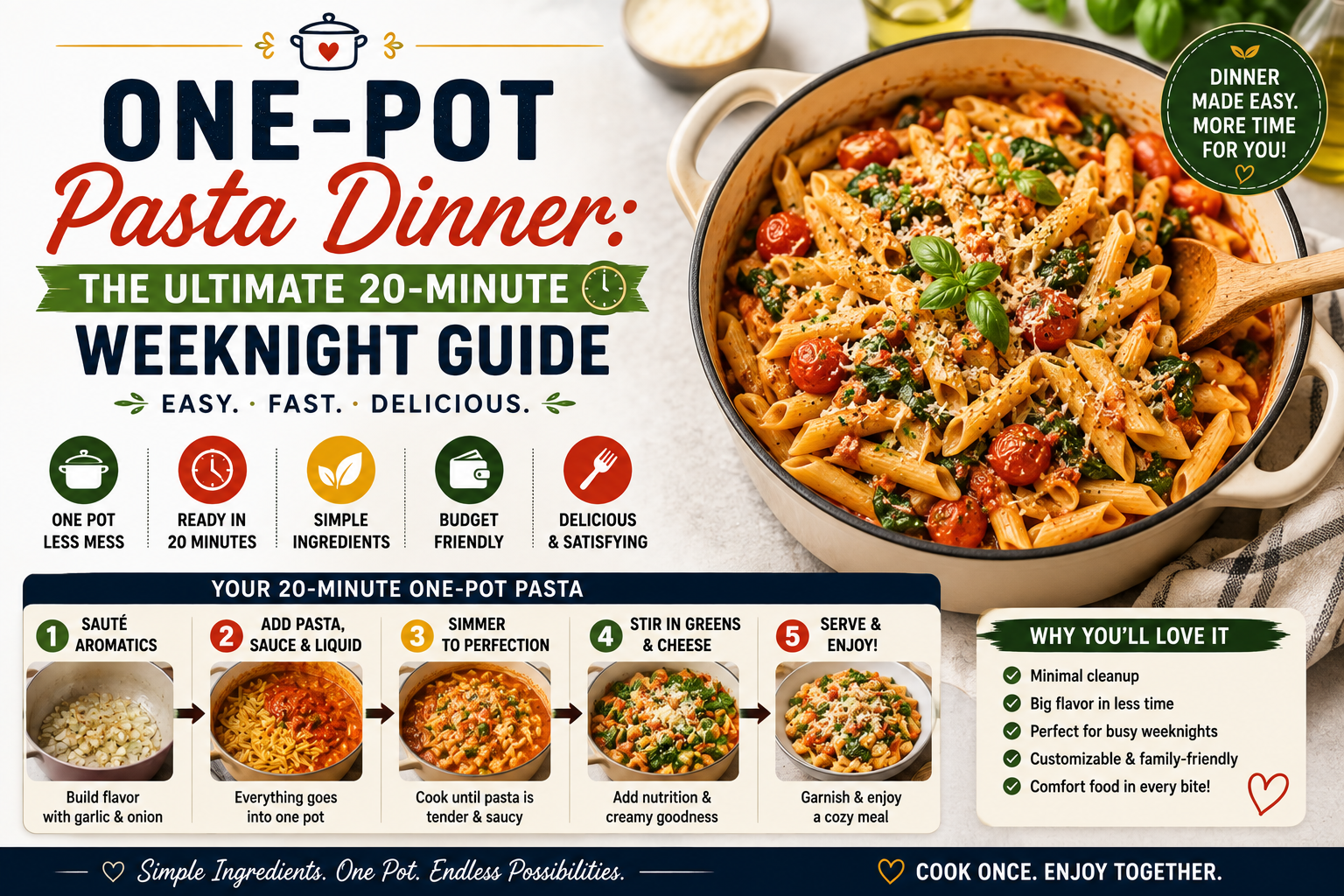
After a long, demanding day, the last thing anyone wants to face is a sink full of dirty dishes, multiple boiling pots, and a complicated recipe. Yet, we still crave a warm, comforting, and high-quality meal that tastes like it came from an authentic Italian kitchen. This is where the magic of a one-pot pasta dinner comes to the rescue.
A one-pot pasta dinner turns traditional cooking on its head. Instead of boiling pasta in a large pot of salted water, draining it in a colander, and making a separate sauce in a skillet, everything cooks together in a single pan. As the pasta cooks, it absorbs the aromatic liquids, broths, and seasonings around it. Simultaneously, the natural starches released by the pasta mix with your liquid base, creating a silky, restaurant-quality sauce that coats every single bite.
If you want to save time, reduce cleanup, and elevate your weeknight cooking game, mastering the one-pot pasta dinner is the ultimate solution.
Why the One-Pot Pasta Method Works: The Culinary Science
To truly master the one-pot pasta dinner, it helps to understand why cooking pasta directly in its sauce ingredients creates such a superior texture.
In traditional pasta cooking, you boil noodles in gallons of water and pour most of that water down the drain. That discarded water contains valuable starch washed off the pasta during cooking. Professional chefs always save a splash of pasta water to mix into their sauces because that starch acts as a natural emulsifier, binding fats (like olive oil or butter) and liquids into a smooth, glossy sauce.
When you prepare a one-pot pasta dinner, 100% of that released starch stays right in the pan. As the liquid simmers and evaporates, the starch concentrates, automatically thickening the liquid into a luxurious sauce without needing heavy cream, cornstarch, or extra flour.
Furthermore, because the pasta noodles absorb flavored broth, garlic, herbs, and aromatics instead of plain plain water, the pasta itself becomes seasoned from the inside out.
The Core Advantages of Single-Pan Pasta Cooking
- Minimal Cleanup: You use only a single pot or deep skillet, a cutting board, a knife, and a wooden spoon. Your post-dinner cleanup takes less than five minutes.
- Maximum Flavor Infusion: Pasta noodles soak up broth, wine, tomato juices, and herbs as they soften, creating deeper flavor in every bite.
- Energy and Time Efficient: You do not have to wait 15 minutes for a massive pot of water to boil before you even start cooking.
- Rich, Silky Texture: The concentrated starches create an emulsified, velvety sauce naturally.
- Endless Customization: You can easily swap proteins, vegetables, cheeses, and herbs based on whatever is sitting in your refrigerator.
Understanding the history, varieties, and culinary cultural impact of traditional pasta helps home cooks appreciate how modern cooking techniques continue to simplify classic comfort foods.
The Golden Formula: Liquid-to-Pasta Ratios
The single biggest fear home cooks have when trying a one-pot pasta dinner for the first time is ending up with either dry, burnt noodles or a watery, soggy soup. Success comes down to mastering the liquid ratio.
The Standard Ratio
For every 8 ounces (225g) of dry pasta, you will generally need 2 to 2.5 cups of liquid (such as low-sodium chicken broth, vegetable stock, crushed tomatoes, or water).
Key Factors That Impact Liquid Needs
- Shape of the Pasta: Long, thin noodles like spaghetti or angel hair cook quickly and require slightly less liquid. Short, thick shapes like penne, rigatoni, or rotini take longer to soften and absorb more liquid.
- Pan Size and Surface Area: A wide, shallow skillet allows liquid to evaporate faster than a deep, narrow Dutch oven. If using a very wide pan, you may need a splash of extra broth toward the end of cooking.
- Pot Lid Usage: Cooking with the lid on traps steam and retains liquid. Cooking with the lid off accelerates evaporation. The best method is cooking uncovered while stirring frequently, adding small splashes of extra hot liquid only if the pan looks dry before the pasta is cooked al dente.
Essential Equipment for One-Pot Pasta Success
While you only need a single cooking vessel for a one-pot pasta dinner, choosing the right tool ensures even heat distribution and prevents sticking.
- Straight-Sided Deep Skillet or Sauté Pan (12-inch): Ideal for long pasta like spaghetti or fettuccine, allowing noodles to lay flat immediately.
- Dutch Oven (4 to 6-Quart): Excellent for short pasta shapes, heavy vegetable additions, or meat-based sauces, providing heat retention and plenty of room to stir.
- Wooden Spoon or Heat-Resistant Tongs: Crucial for constantly lifting and separating noodles during the first few minutes of cooking so they do not stick together.
- Liquid Measuring Cup: Accurate liquid measurements are vital for getting the sauce consistency right.
Step-by-Step Guide to Cooking the Perfect One-Pot Pasta Dinner
Follow this universal step-by-step master technique to create a flawless one-pot pasta dinner every single time, regardless of the flavor profile you choose.
Step 1: Aromatics and Proteins First
If your recipe includes meats (like sausage, chicken, or bacon) or firm aromatics (like diced onions and garlic), cook them in a splash of olive oil in your pot first. Brown the meat thoroughly to build a layer of flavor at the bottom of the pan.
Step 2: Add Dry Pasta, Liquids, and Seasonings
Add your dry pasta directly into the pan over the cooked aromatics. Pour in your measured room-temperature or warm liquid (broth, canned tomatoes, water). Add your dry seasonings, salt, pepper, and sturdy herbs like rosemary or thyme.
Step 3: Bring to a Rolling Boil
Turn the heat to high and bring the entire mixture to a full, rolling boil. Use your tongs or wooden spoon to nudge the pasta around, ensuring no noodles are stuck to the bottom of the pan or clumping together.
Step 4: Simmer and Stir Frequently
Once boiling, reduce the heat to medium or medium-low to maintain a active simmer. Leave the pot uncovered. Stir the pasta every 1 to 2 minutes. Stirring is essential because it releases the surface starches into the liquid and keeps the pasta submerged evenly.
Step 5: Test for Al Dente Texture
Simmer for about 8 to 12 minutes (depending on the pasta package instructions). Begin testing the pasta 2 minutes before the suggested package cooking time. You want the pasta to be al dente—cooked through but still holding a slight chew in the center.
Step 6: Finish with Fresh Ingredients
Once the pasta is al dente and the liquid has reduced into a glossy sauce coating the noodles, turn off the heat. Stir in quick-melting or delicate ingredients such as fresh spinach, heavy cream, grated Parmesan cheese, fresh basil, or a squeeze of lemon juice.
Step 7: Rest and Serve
Let the pot rest off the heat for 2 to 3 minutes before serving. The sauce will continue to thicken and cling to the pasta as it cools slightly.
For quick weeknight recipe inspiration, kitchen organization tips, and home lifestyle guides, check out the resources at thezoqo.
5 Crave-Worthy One-Pot Pasta Dinner Variations
Once you master the basic technique, you can create dozens of delicious variations based on what you have in your pantry.
1. Tuscan Chicken and Sun-Dried Tomato Pasta
- The Vibe: Rich, creamy, and gourmet.
- Key Ingredients: Diced chicken breast, garlic, sun-dried tomatoes in oil, chicken broth, baby spinach, heavy cream, and penne pasta.
- How It Works: Sear the chicken first, then build the pot with broth and penne. Stir in the spinach, cream, and Parmesan right at the end for a luxurious restaurant-style dish.
2. Classic Garlic, Tomato, and Fresh Basil Spaghetti
- The Vibe: Fresh, light, and traditional Italian.
- Key Ingredients: Thinly sliced garlic, halved cherry tomatoes, extra virgin olive oil, vegetable broth, dry spaghetti, and fresh basil leaves.
- How It Works: As the cherry tomatoes boil alongside the spaghetti, they burst open, releasing sweet juices that combine with olive oil and starch to create a light tomato sauce.
3. Spicy Sausage and Creamy Rigatoni
- The Vibe: Hearty, comforting, and bold.
- Key Ingredients: Ground spicy Italian sausage, diced yellow onion, tomato paste, chicken stock, rigatoni, and sharp white cheddar or cream cheese.
- How It Works: Brown the sausage and onions, stir in tomato paste to caramelize, then add stock and rigatoni. Finish with cream cheese for a rich, velvety sauce with a kick.
4. Creamy Lemon Artichoke and Spinach Pasta (Vegetarian)
- The Vibe: Bright, zesty, and fresh.
- Key Ingredients: Canned artichoke hearts, garlic, vegetable broth, lemon zest and juice, baby spinach, capers, and rotini pasta.
- How It Works: The tangy lemon juice and salty capers cut through the rich starch, while rotini spirals catch pieces of artichoke and spinach in every bite.
5. Cheesy One-Pot Taco Pasta
- The Vibe: Family-friendly fusion comfort food.
- Key Ingredients: Lean ground beef, taco seasoning packet, fire-roasted canned diced tomatoes, beef broth, elbow macaroni, and shredded Mexican blend cheese.
- How It Works: Brown the beef with taco spices, simmer with broth and macaroni, then top with a thick layer of melted cheese right before serving.
Expert Tips for Common One-Pot Pasta Challenges
Even straightforward recipes can run into small hiccups. Here is how to handle common issues while cooking a one-pot pasta dinner.
What to Do If the Liquid Evaporates Too Fast
If your heat was too high or your skillet was extra wide, you might notice the liquid disappearing while your pasta is still hard. Do not panic! Simply add 1/4 cup of warm broth or hot water at a time, stirring continuously until the pasta reaches the correct texture.
What to Do If There Is Too Much Liquid Left
If your pasta is already fully cooked but there is still too much liquid floating in the pan, remove the pot from the heat source immediately. Stir in grated Parmesan cheese or a splash of cream, then let the pot sit uncovered for 3 to 5 minutes. The starches and cheese will thicken the remaining liquid quickly.
Choosing the Right Salt Levels
Because you are not draining the cooking liquid, all the salt you add stays in the pan. Always use low-sodium broths or stocks, and be conservative with added salt at the beginning. You can always taste the finished sauce and add more salt right before serving.
Nutritional Balance: Making Your One-Pot Pasta Healthier
A one-pot pasta dinner can easily be tailored to fit balanced nutritional goals without sacrificing flavor.
- Boost Fiber with Whole Wheat or Chickpea Pasta: Substitute refined white pasta with whole grain, lentil, or chickpea pasta. (Note: Gluten-free and legume-based pastas release starch differently and may require slightly less cooking time, so monitor them closely.)
- Pack in the Vegetables: Load your pot with low-calorie, nutrient-dense vegetables like zucchini slices, bell peppers, broccoli florets, mushrooms, and leafy greens.
- Choose Lean Proteins: Opt for skinless chicken breast, turkey sausage, shrimp, or plant-based proteins like white beans or lentils to reduce saturated fat.
- Use Healthier Sauces: Swap heavy cream for Greek yogurt, light cream cheese, or pureed cauliflower mixed with low-sodium broth to keep sauces creamy yet light.
Frequently Asked Questions (FAQs)
Can I use gluten-free pasta for a one-pot pasta dinner?
Yes, but you need to be careful with timing. Gluten-free pastas (made from rice, corn, or quinoa) release starches faster and can become mushy if overcooked. Check the package timing, stir gently to prevent breaking the noodles, and test for doneness a few minutes early.
Can I make a one-pot pasta dinner ahead of time for meal prep?
While best enjoyed fresh, one-pot pasta can be stored in an airtight container in the refrigerator for up to 4 days. Because the pasta continues to absorb sauce as it sits, add a splash of water or broth when reheating in the microwave or on the stove to restore its creamy texture.
Do I need to cover the pot with a lid while cooking?
It is generally best to cook one-pot pasta uncovered over medium heat. Leaving the lid off allows you to stir frequently (preventing sticking) and monitor liquid evaporation accurately. If your liquid is evaporating too fast before the pasta softens, pop the lid on for 2 to 3 minutes to trap steam.
Can I freeze cooked one-pot pasta meals?
Freezing one-pot pasta is generally not recommended if the recipe contains dairy (like heavy cream or sour cream), as dairy can separate and grain when thawed. Plain tomato or broth-based pasta dishes can be frozen for up to 2 months, though the noodle texture may soften slightly upon reheating.
Final Thoughts: The Ultimate Weeknight Solution
The one-pot pasta dinner is more than just a passing internet trend—it is a practical, highly efficient, and delicious approach to modern home cooking. By cooking pasta directly in seasoned broths and aromatics, you harness natural starches to build rich sauces while keeping kitchen cleanup to an absolute minimum.
Whether you prefer a light garlic-and-herb spaghetti, a hearty sausage rigatoni, or a veggie-packed creamy penne, mastering this simple cooking technique guarantees that a hot, wholesome meal is always just 20 minutes away. Gather your ingredients, grab your favorite deep skillet, and enjoy the ease and flavor of single-pan pasta cooking tonight!