 By Thezoqo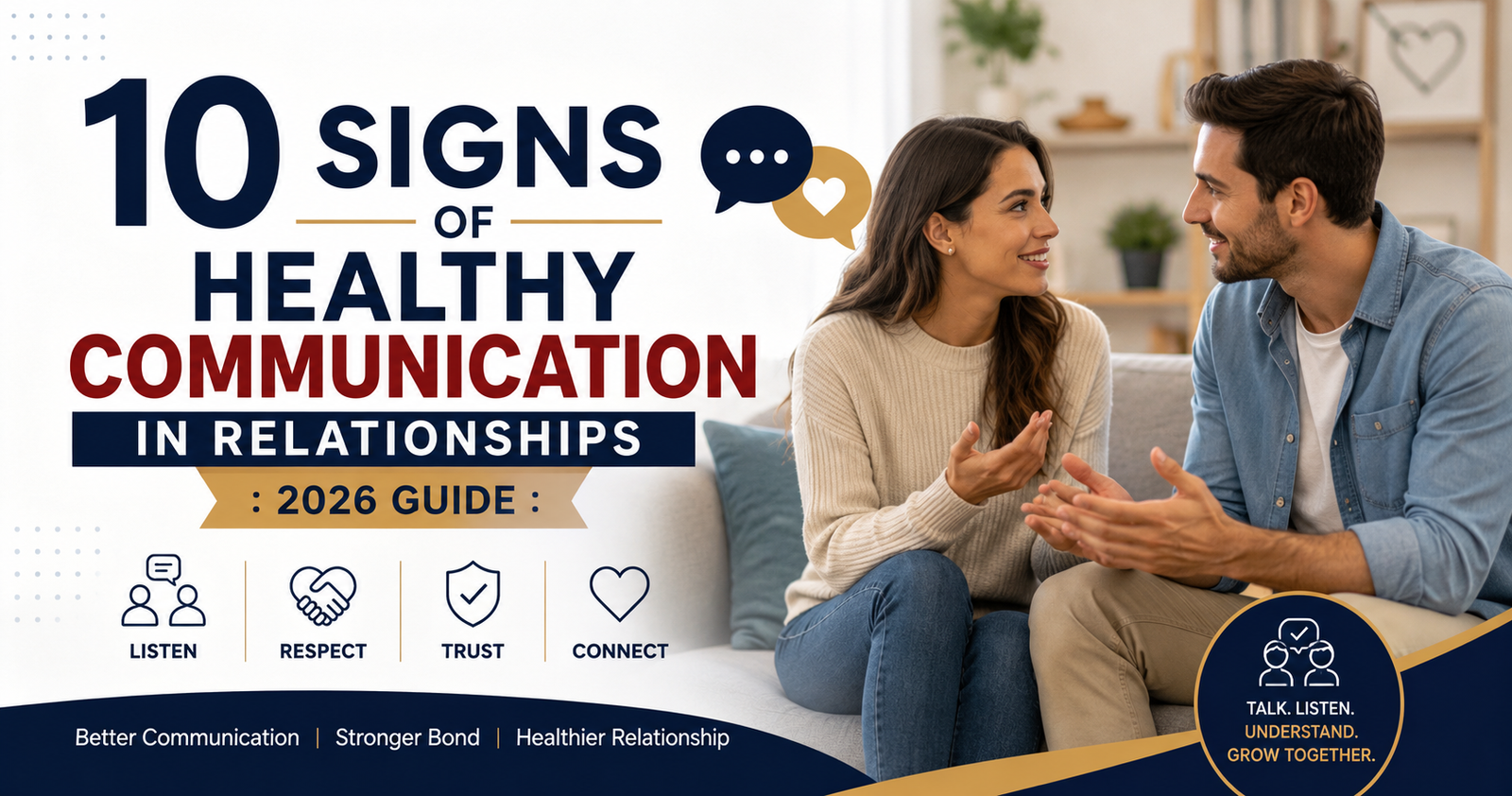
Communication is often called the lifeblood of human connection. Whether in romantic partnerships, family dynamics, deep friendships, or professional environments, the way we share thoughts, express feelings, navigate disagreements, and listen to one another dictates the long-term quality of our connections. Without functional dialogue, even the deepest affection can dissolve into confusion, resentment, and distance.
Conversely, recognizing the core signs of healthy communication gives you a clear blueprint for building lasting trust, emotional safety, and mutual respect. Healthy communication is not about never arguing or speaking in a polished, artificial manner. Instead, it is about creating an environment where both individuals feel heard, valued, and safe enough to share their authentic selves without fear of harsh judgment or retaliation.
If you want to evaluate your current relationships, improve your personal interactions, or rebuild broken lines of dialogue, understanding the essential signs of healthy communication is the first step toward lasting harmony.
The Foundation: Why Communication Quality Matters
Before looking directly at the signs of healthy communication, it helps to understand why the mechanics of conversation hold so much power over our emotional well-being.
Human beings are wired for social connection. When we communicate effectively, our brain releases oxytocin and dopamine—neurochemicals associated with trust, bonding, and emotional comfort. When communication breaks down, our nervous system perceives the disruption as a threat, triggering fight, flight, or freeze responses.
Relationships rarely fail due to a simple lack of love. More often, they break down due to an inability to translate that love into everyday interactions. Misunderstandings multiply, silent assumptions take over, and unaddressed minor frustrations turn into deep-seated resentment.
Learning to identify and practice the key signs of healthy communication helps protect your relationships against unnecessary conflict, ensuring that both partners feel genuinely understood.
1. Active Listening Without Premature Interruption
One of the most noticeable signs of healthy communication is the presence of genuine, active listening. In dysfunctional interactions, people rarely listen to understand; instead, they listen merely to prepare their counter-argument. They wait for the speaker to take a breath so they can jump in with their defense, corrections, or advice.
In contrast, healthy communicators practice attentive presence. They give their full attention, maintain appropriate eye contact, and process what the other person is expressing before formulating a reply.
- Reflective Bolding: Active listeners often use phrases like, “What I hear you saying is…” or “It sounds like you felt overwhelmed when that happened, is that right?”
- Patience: They do not cut the speaker off mid-sentence, finish their sentences for them, or dismiss their narrative.
- Validation: They acknowledge the speaker’s perspective, validating their right to feel a certain way even if they hold a different viewpoint.
2. Openness to Emotional Vulnerability
True connection requires opening up to emotional vulnerability—the willingness to share raw feelings, personal fears, insecurities, and unpolished truths without wearing a mask.
Among the clearest signs of healthy communication is when both people feel completely safe being vulnerable around one another. In unhealthy environments, admitting fear or weakness is often weaponized, mocked, or used as leverage during future arguments. In healthy relationships, vulnerability is met with compassion, patience, and support.
- Sharing the Hard Stuff: Partners can admit when they feel insecure, hurt, or embarrassed without worrying that their partner will judge them as weak.
- Emotional Safety: Both individuals know their personal confessions, secrets, and tender spots are treated as sacred and handled with care.
Understanding the psychological principles behind interpersonal communication underscores how verbal and non-verbal exchanges form the bedrock of emotional stability.
3. Using “I” Statements Instead of Accusatory “You” Statements
How people phrase their grievances during a disagreement reveals a great deal about the health of their dialogue. A major indicator among the signs of healthy communication is the natural shift from defensive, accusatory language to clear self-expression.
Accusatory language typically relies on aggressive “you” statements that provoke immediate defensiveness. For instance, saying “You never pay attention to me and you are always selfish” immediately puts the listener on the defensive, shutting down constructive dialogue.
Healthy communicators reframe their thoughts using “I” statements, focusing on their personal internal experience rather than attacking the other person’s character.
- Accusatory Phrasing: “You always ignore me when you come home from work!”
- Healthy Alternative: “I feel disconnected when you jump straight onto your phone after work because I missed you during the day.”
By owning their personal reactions, individuals prevent conversations from turning into finger-pointing matches.
4. Constructive Conflict Resolution (Fighting With Each Other, Not AgainstEach Other)
A common misconception is that healthy relationships are completely free of arguments. In reality, every healthy relationship experiences conflict. The difference lies in how that conflict is managed.
A hallmark among the signs of healthy communication is viewing an argument as a joint problem-solving exercise rather than a competition to win.
- Targeting the Issue, Not the Person: Healthy communicators address the specific action, habit, or problem at hand. They refrain from personal insults, name-calling, or attacking their partner’s self-esteem.
- No Kitchen-Sinking: In toxic arguments, people often bring up past mistakes from years ago (a habit known as “kitchen-sinking”). Healthy communicators stay focused strictly on the current issue.
- Seeking Solutions: The goal of healthy conflict is not to assign blame, but to find a workable middle ground that respects both people’s needs.
For practical advice on managing relationships, personal growth strategies, and daily life routines, explore the articles available at thezoqo.
5. Respecting Personal Boundaries and Needing Space
Communication is not just about talking; it is also about knowing when to stop, step back, and allow room for reflection. Recognizing and respecting boundaries stands out as one of the most vital signs of healthy communication.
When emotions run high during intense discussions, the nervous system can become overwhelmed, leading to emotional flooding. In healthy dynamics, either person can ask for a temporary pause without triggering panic or anger in the other.
- Honoring a Timeout: Saying “I am feeling too overwhelmed to speak productively right now; can we take a 30-minute break and return to this?” is met with respect rather than demands to keep arguing.
- Respecting “No”: In healthy relationships, a clear “no” is received gracefully without guilt trips, emotional manipulation, or persistent pressure.
6. Consistent Non-Verbal Alignment
Verbal words represent only a portion of how we communicate. Body language, facial expressions, tone of voice, and micro-gestures convey a tremendous amount of emotional information.
A primary marker among the signs of healthy communication is congruence between spoken words and non-verbal cues.
- Open Body Posture: Healthy interactions involve open body language—uncrossed arms, attentive eye contact, and a warm, inviting body orientation.
- Tonal Gentleness: Even when expressing frustration, healthy communicators maintain control over their vocal tone, avoiding hostile shouting, sarcastic eye-rolling, or passive-aggressive sighs.
- Matching Intentions: If someone says “I am listening,” their actions match—they put away their phone, close their laptop, and face the speaker directly.
7. Directness Without Cruelty (Radical Honesty Wrapped in Kindness)
Mind-reading is one of the most destructive habits in relationships. Expecting a partner, friend, or colleague to automatically know what you need, why you are upset, or what they did wrong creates an endless cycle of disappointment.
Directness is one of the most refreshing signs of healthy communication. Healthy communicators express their needs, preferences, and feelings clearly and directly, without relying on hints, passive-aggressive comments, or silent treatment.
- No Passive-Aggressiveness: Instead of saying “I’m fine” while slamming cupboard doors, a healthy communicator clearly states, “I had a frustrating day and need a little quiet time.”
- Kind Candor: Being direct does not mean being blunt or mean-spirited. It means sharing the truth with care, keeping the listener’s feelings in mind.
8. Expressing Regular Gratitude and Appreciation
Healthy communication is not only called upon when something goes wrong or when a problem needs fixing. It is equally essential for nurturing joy, connection, and mutual validation.
Regular, specific expressions of gratitude are major signs of healthy communication. When individuals regularly acknowledge each other’s efforts, it builds a deep reservoir of goodwill that cushions the relationship during challenging moments.
- Specific Praise: Instead of a generic “Thanks,” healthy communicators offer detailed appreciation: “Thank you so much for taking care of dinner tonight when you saw how exhausted I was. It meant a lot to me.”
- Not Taking Things for Granted: They notice everyday acts of kindness—making coffee, taking out the trash, offering a warm hug—and call them out positively.
9. Willingness to Apologize and Forgive Sincerely
Human beings are imperfect, and even the most skilled communicators occasionally drop the ball, raise their voices, or misread a situation. What sets healthy dynamics apart is how mistakes are handled after they happen.
A genuine willingness to offer a sincere apology—and extend clean forgiveness—is one of the most definitive signs of healthy communication.
- The Structure of a Real Apology: A healthy apology contains three distinct parts: taking full responsibility (“I was wrong to raise my voice”), acknowledging the emotional impact (“I see how that hurt you”), and offering a clear plan for change (“Next time, I will step away before my frustration gets the best of me”).
- No Excuses: Healthy apologies avoid shifting blame onto circumstances or the other person (such as “I’m sorry, but you made me mad”).
- Clean Forgiveness: Once an issue has been addressed and apologized for, healthy communicators let it go rather than holding it over the person’s head during future disagreements.
10. Shared Repair Attempts During Tension
Even during heated moments, couples and friends who practice healthy communication send out subtle signals to de-escalate tension before it turns destructive. Relationship researchers refer to these actions as “repair attempts.”
Noticing and accepting repair attempts is one of the subtlest yet most powerful signs of healthy communication.
- Using Humor: A gentle, well-timed joke or self-deprecating smile to break rising tension.
- Physical Touch: Reaching out to hold a hand, placing a supportive arm on a shoulder, or offering a soft touch mid-argument to signal “I still love you, even while we disagree.”
- Verbal De-escalation: Saying “We are getting off track here,” “I love you and I want to fix this together,” or “Let’s take a deep breath.”
In healthy dynamics, both people actively look for and accept these olive branches rather than pushing them away to prolong the fight.
The Four Horsemen: Communication Styles to Avoid
To fully master the signs of healthy communication, it is equally important to spot the destructive patterns that signal trouble. Renowned relationship psychologists identify four toxic communication habits—often referred to as the “Four Horsemen”—that consistently predict relationship distress:
- Criticism: Attacking your partner’s core character rather than criticizing a specific behavior. (Example: “You are so lazy” versus “I felt upset when the dishes were left in the sink.”)
- Defensiveness: Making excuses, playing the victim, or turning the blame back on the speaker instead of taking responsibility.
- Contempt: Speaking down to someone from a position of superiority using sarcasm, eye-rolling, mocking, or name-calling. Contempt is widely considered the single most destructive communication habit.
- Stonewalling: Completely shutting down, withdrawing from the conversation, and building a physical or emotional wall to ignore the speaker.
Spotting these patterns early allows you to pause the conversation, realign your intentions, and pivot back toward healthy, constructive dialogue.
Practical Exercises to Improve Your Communication Skills
Building the habits associated with the signs of healthy communication takes daily practice. Here are four practical exercises to try:
- The 3-Minute Pause Rule: When feeling angry, force yourself to wait three full seconds before responding. This brief gap allows your prefrontal cortex (the logical brain) to regain control over your amygdala (the emotional alarm center).
- The Echo Technique: Practice repeating back what your partner said before offering your reply. Saying “If I understand correctly, you are feeling upset because…” forces you to listen attentively.
- Daily Appreciation Check-Ins: Make it a habit to share at least one specific thing you appreciate about your partner, friend, or colleague every single day.
- The “I” Statement Swap: Catch yourself whenever you start a sentence with “You always…” or “You never…” and consciously reframe it using an “I feel” structure.
Frequently Asked Questions (FAQs)
What are the earliest signs of healthy communication in a new relationship?
Early signs include feeling safe to express your true opinions without fear of being mocked, consistency between what a person says and what they do, an ability to handle minor misunderstandings calmly, and mutual respect for personal time and boundaries.
Can bad communication habits be fixed in an existing relationship?
Yes, absolutely. Communication is a learned skill, not an unchangeable personality trait. With self-awareness, patience, consistent practice, and a mutual willingness to change, any couple or family can break toxic patterns and establish healthy communication habits.
What should I do if my partner refuses to practice healthy communication?
Focus on managing your own communication first. Consistently model healthy habits—using “I” statements, staying calm, avoiding contempt, and respecting boundaries. If your partner remains defensive, stone-walls, or exhibits contempt over long periods, seeking guidance from a professional relationship counselor can help bridge the gap.
Is it normal to feel exhausted after difficult relationship conversations?
Yes. Deep emotional processing, active listening, and navigating conflict require real mental energy and focus. Feeling tired after a heavy discussion is natural. Give each other space to rest, hydrate, and reconnect gently once the conversation resolves.
Final Thoughts: Nurturing Connection Through Intentional Words
Mastering the signs of healthy communication is a lifelong journey rather than a single destination. No relationship is perfect, and every couple, family, or friendship will experience occasional miscommunications, awkward moments, or heated debates.
The goal is not to achieve absolute perfection in every conversation. Instead, the goal is to build a culture of safety, empathy, active listening, and rapid repair.
By replacing harsh criticism with thoughtful self-expression, choosing understanding over winning, and treating emotional vulnerability as a gift, you build a resilient foundation for long-lasting connection. Pay attention to these positive signs in your daily interactions, practice them with intention, and watch your relationships grow stronger every day!
A clean read with no irritations, and a look at auroraatlas continued that frictionless quality, the absence of small irritations is something I notice only when present elsewhere and this site is one of the rare places where everything just works and lets me focus on the substance rather than fighting the format.
Reading this in pieces over a coffee break and finding it consistently rewarding, and a stop at verovista extended that into related material I will return to later, the kind of site that fits naturally into small reading windows without requiring a long uninterrupted block is genuinely useful for how I actually browse.