 By Thezoqo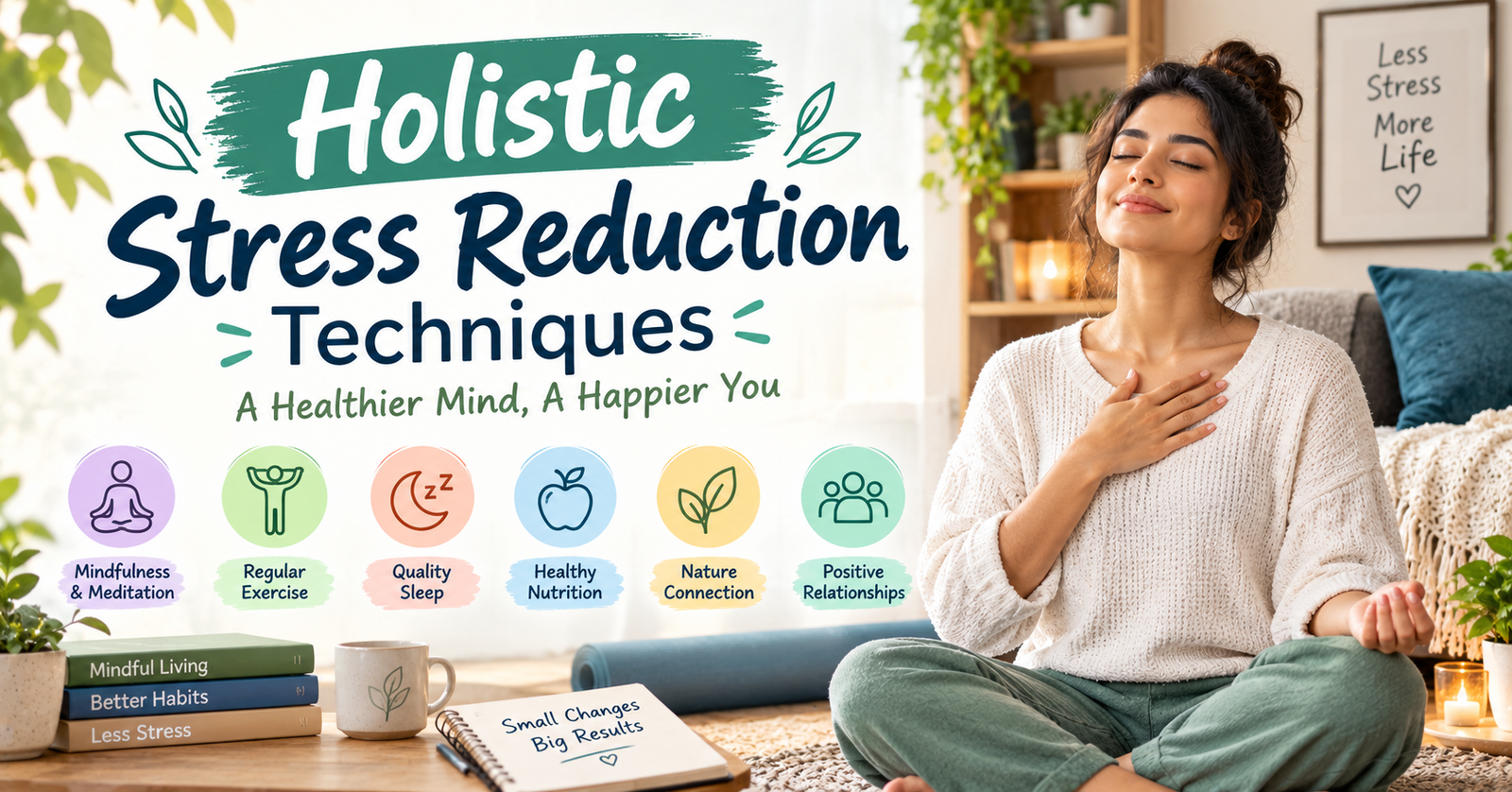
In our hyper-connected, high-demand world, stress has transformed from an occasional survival response into a chronic background condition. From demanding work deadlines and financial pressures to endless digital notifications, modern life constantly triggers our body’s fight-or-flight mechanisms. While traditional quick fixes often focus on masking symptoms, long-term relief requires a broader, more integrated approach.
Adopting holistic stress reduction techniques allows you to address tension at every level of your life: mental, physical, emotional, and environmental. Rather than viewing stress as an isolated symptom, a holistic model recognizes that your thoughts, physical health, daily environment, and lifestyle habits are interconnected.
This comprehensive guide explores the root causes of chronic stress and provides actionable, evidence-based practices to help you restore balance, boost resilience, and cultivate lasting peace of mind.
What Are Holistic Stress Reduction Techniques?
Holistic stress management is an integrative approach that treats the whole person rather than isolating single symptoms. Traditional approaches might suggest a quick pharmaceutical option or a simple caffeine reduction. In contrast, holistic strategies focus on restoring equilibrium across all core dimensions of human well-being:
- Mind: Calming overactive mental chatter, reframing negative thought loops, and boosting focus.
- Body: Releasing physical tension, balancing hormones, and nourishing the nervous system through movement and diet.
- Spirit: Reconnecting with personal purpose, community, values, and inner quietude.
- Environment: Structuring your digital, social, and living spaces to support calm and mental clarity.
▼ ▼ ▼ ▼
[ MIND ] [ BODY ] [ SPIRIT ] [ ENVIRONMENT ]
– Cognitive – Somatic – Purpose – Digital boundaries
reframing release – Mindfulness – Organized space
– Focus habits – Restorative – Nature – Healthy boundaries
nutrition connection
According to comprehensive research detailed on Wikipedia, structured stress management frameworks effectively lower elevated cortisol, reduce resting heart rate, and enhance long-term psychological resilience.
The Silent Impact of Chronic Stress on the Body
When faced with perceived threats, the brain releases a flood of stress hormones, primarily cortisol and adrenaline. In acute situations, this response is protective. However, when stress remains constant, these elevated hormone levels begin to disrupt essential bodily functions.
[ Constant Daily Stressors ] ──► [ Elevated Cortisol & Adrenaline ] ──► [ Autonomic Imbalance ]
[ Chronic Exhaustion & Disease ] ◄── [ Sleep & Immunity Disruption ] ◄───────┘
Unmanaged chronic stress frequently manifests across multiple systems:
- Cardiovascular: Persistent elevated blood pressure and elevated resting heart rate.
- Digestive: Disruptions to gut microbiome balance, causing bloating, acidity, or IBS flare-ups.
- Immune: Reduced white blood cell production, making the body more susceptible to infections.
- Cognitive: Brain fog, poor memory retention, irritability, and diminished decision-making capacity.
10 Effective Holistic Stress Reduction Techniques
Integrating natural stress management strategies into your routine creates a protective buffer against daily pressures. Here are ten proven practices designed to soothe your nervous system and cultivate long-term mental equilibrium.
10 HOLISTIC STRESS REDUCTION TECHNIQUES
| 1. Diaphragmatic Breathwork (Box Breathing) 6. Somatic Movement & Yoga
| 2. Mindfulness Meditation 7. Adaptogenic Herbal Support
| 3. Cortisol-Conscious Nutrition 8. Digital Detox and Boundary Setting
| 4. Forest Bathing (Shinrin-yoku) 9. Journaling & Cognitive Reframing
| 5. Sleep Hygiene Optimization 10. Sound Therapy & Biofeedback
1. Diaphragmatic Breathwork and Box Breathing
Your breath serves as a direct bridge to your autonomic nervous system. Conscious, deep diaphragmatic breathing stimulates the vagus nerve, sending immediate signals to the brain to activate the parasympathetic (“rest and digest”) response.
- Practice Box Breathing: Inhale through your nose for 4 seconds, hold your breath for 4 seconds, exhale through your mouth for 4 seconds, and hold empty for 4 seconds. Repeat for 4–5 cycles.
- Use Extended Exhalations: Ensure your exhale is longer than your inhale (e.g., inhale for 4 counts, exhale for 6 or 8 counts) to rapidly reduce a rapid heart rate during acute stress moments.
2. Mindfulness Meditation and Body Scans
Mindfulness involves observing present thoughts, physical sensations, and emotions without judgment. Regular practice decreases reactivity in the amygdala—the brain’s fear center.
- Daily Body Scan: Dedicate 5–10 minutes in the morning or evening to scan your body mentally from head to toe, noticing areas holding tension (like a clenched jaw or tight shoulders) and consciously breathing into them.
- Anchor in the Present: Use physical senses—noticing five things you can see, four you can touch, three you can hear, two you can smell, and one you can taste—to break anxiety-driven thought spirals.
3. Cortisol-Conscious and Nutrient-Dense Nutrition
What you eat directly impacts your mood and hormone regulation. High-sugar, heavily processed diets cause rapid blood glucose spikes and crashes, triggering unwanted cortisol surges.
- Emphasize Whole Foods: Prioritize complex carbohydrates, leafy greens, lean proteins, and healthy omega-3 fatty acids to support brain health and reduce inflammation.
- Limit Nervous System Stimulants: Reduce excess caffeine and refined sugar consumption, especially in the afternoon, to prevent artificial adrenaline spikes and afternoon energy crashes.
4. Forest Bathing (Shinrin-yoku) and Nature Connection
Originating in Japan, Shinrin-yoku (forest bathing) emphasizes immersing yourself in natural environments using all five senses. Nature exposure lowers blood pressure, reduces stress hormones, and boosts immune function through natural plant compounds called phytoncides.
- Take Daily “Green Micro-Breaks”: Spend 20 minutes daily walking in a local park, garden, or tree-lined path without looking at your smartphone.
- Bring Nature Indoors: Keep indoor house plants, open windows for fresh air flow, or use natural light exposure in your workspace to stay grounded.
5. Sleep Hygiene and Circadian Rhythm Alignment
Sleep deprivation severely compromises your ability to handle emotional stress. Establishing healthy sleep hygiene ensures your brain can repair, process emotions, and regulate hormones effectively.
- Align with Sunlight: Get 10–15 minutes of direct sunlight exposure early in the morning to anchor your circadian rhythm and optimize nighttime melatonin release.
- Create a Wind-Down Ritual: Discontinue blue-light screens 60 minutes before bed, keep your bedroom temperature cool, and read or stretch to signal to your body that it is time to sleep.
6. Somatic Movement, Stretching, and Yoga
Emotional stress frequently lodges itself physically in muscles, fascia, and joints. Somatic movement focuses on internal sensation rather than physical performance, helping to release trapped bodily tension.
- Gentle Yoga Flow: Practices like Restorative or Yin Yoga use prolonged, supported postures to lengthen connective tissues and soothe a hyperactive nervous system.
- Shake Off Tension: Engaging in rhythmic, low-impact movement—such as gentle dancing, somatic shaking, or daily walking—helps discharge excess adrenaline after a frustrating day.
7. Adaptogenic Herbal Support
Adaptogens are a unique class of botanical herbs that support your body’s natural ability to manage physical, chemical, and biological stress.
- Ashwagandha: Widely researched for its ability to regulate the hypothalamic-pituitary-adrenal (HPA) axis and lower systemic cortisol levels.
- Holy Basil (Tulsi) & Rhodiola Rosea: Help improve mental endurance, reduce fatigue, and support a balanced, calm mood throughout demanding workdays.
For deeper insights into natural wellness routines, mindful living strategies, and practical self-care habits, explore The Zoqo for actionable lifestyle guidance.
8. Digital Detox and Boundary Management
Constant digital notifications, breaking news alerts, and social comparison keep the nervous system continuously overstimulated. Establishing digital boundaries protects your mental bandwidth.
- Schedule “Quiet Hours”: Set dedicated times each day—especially during meals and the hour before sleep—where all non-essential notifications are turned off.
- Establish Social Boundaries: Practice saying “no” to non-essential commitments that leave you feeling drained, overextended, or depleted.
9. Expressive Journaling and Cognitive Reframing
Putting feelings into written words transfers unstructured emotional stress out of your head and onto paper, making feelings easier to evaluate objectively.
- Brain Dump Method: Write continuously for 5–10 minutes without worrying about grammar or structure to clear mental clutter.
- Gratitude Anchoring: Conclude journaling sessions by writing down three specific things you are grateful for, shifting your mindset away from perceived lack or anxiety.
10. Sound Therapy and Biofeedback
Auditory stimuli have a profound effect on brainwave states. Incorporating intentional sound tools can shift brain activity from alert Beta waves into relaxed Alpha or Theta states.
- Binaural Beats: Listening to binaural beats set to Alpha frequencies (8–13 Hz) helps induce relaxed focus and lowers anxiety.
- Acoustic Sound Baths: Using Tibetan singing bowls or white noise generators can help block out stressful ambient noise and calm a overstimulated brain.
Building a Personalized Holistic Daily Routine
Consistency is the cornerstone of effective stress management. Rather than attempting all ten practices at once, build a manageable daily routine by selecting one or two techniques for the morning, afternoon, and evening.
[ Building a Daily Holistic Routine ]
[ Morning ] [ Afternoon ] [ Evening ]
– Morning sun – 20-min nature walk – Screen shutdown
– 5-min breathwork – Adaptogenic tea – Gentle stretching
– Hydration – Diaphragmatic break – Journaling
By making small, sustainable additions to your daily routine, you gradually retrain your nervous system to respond to challenges with calm, clear-headed resilience.
Frequently Asked Questions
What is the quickest holistic technique for acute anxiety?
Diaphragmatic breathwork—specifically double-inhalations followed by long, slow exhalations (the physiological sigh)—is one of the fastest natural methods to activate the parasympathetic nervous system within seconds.
How long does it take for holistic techniques to lower cortisol?
While practices like breathwork and forest bathing offer immediate short-term calm, sustained reductions in baseline cortisol typically occur after 3 to 4 weeks of consistent daily practice.
Can I combine holistic stress practices with standard medical care?
Yes. Holistic practices are complementary and work exceptionally well alongside standard medical or psychological guidance to support your overall health and well-being.
Final Thoughts
Mastering holistic stress reduction techniques is not about eliminating every source of pressure from your life; it is about altering your internal response to external demands. By caring for your mind, body, environment, and spirit as an interconnected system, you gain the resilience needed to navigate life’s challenges with ease.
Start small today—take three slow, deep breaths, step outside into natural light, and give your mind the peaceful reset it deserves!