 By Thezoqo
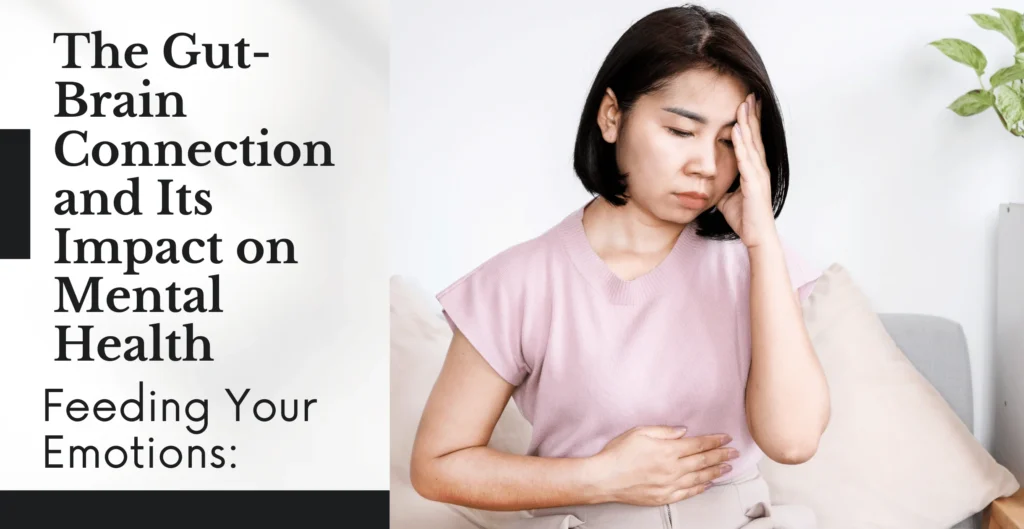
In 2026, one of the most talked-about topics in wellness and medical science is the Gut and Mental Health Connection. Researchers, doctors, and mental health professionals are increasingly recognizing that your digestive system does far more than process food. It plays a powerful role in regulating mood, stress levels, cognitive function, and even long-term mental health conditions.
For decades, mental health treatment focused primarily on the brain. However, modern science now confirms that the gut and brain are deeply connected through what experts call the gut-brain axis. This two-way communication system explains why digestive issues often accompany anxiety, depression, and chronic stress.
In this detailed guide, we will explore the science behind the Gut and Mental Health Connection, how your microbiome influences emotions, the symptoms of an unhealthy gut, and practical steps you can take in 2026 to improve both digestive and mental wellness naturally.
Understanding the Gut and Mental Health Connection
The Gut and Mental Health Connection refers to the complex communication network between your digestive tract and your brain. This connection is made possible through:
- The vagus nerve
- The enteric nervous system
- Hormones
- Immune system signals
- Gut bacteria (microbiome)
Your gut contains trillions of microorganisms, including bacteria, fungi, and viruses. Together, they form the gut microbiome. These microbes help digest food, absorb nutrients, regulate immunity, and produce key neurotransmitters.
In fact, nearly 90% of serotonin — the “feel-good” neurotransmitter — is produced in the gut, not the brain. This alone highlights the importance of the Gut and Mental Health Connection.
What Is the Gut Microbiome?
The gut microbiome is a diverse ecosystem of beneficial and harmful bacteria living primarily in your large intestine.
A healthy microbiome:
- Supports digestion
- Reduces inflammation
- Produces vitamins
- Strengthens immunity
- Regulates mood
An imbalanced microbiome, known as dysbiosis, can lead to:
- Bloating
- Irritable bowel syndrome (IBS)
- Fatigue
- Brain fog
- Anxiety
- Depression
The Gut and Mental Health Connection becomes clearer when we see how gut imbalance triggers inflammation and affects brain chemistry.
The Science Behind the Gut-Brain Axis
The gut and brain constantly communicate through a system called the gut-brain axis.
1. The Vagus Nerve
The vagus nerve acts as a communication highway between the gut and brain. Signals travel both ways. If your gut is inflamed or unhealthy, distress signals are sent directly to the brain.
2. Neurotransmitter Production
Gut bacteria produce neurotransmitters like:
- Serotonin
- Dopamine
- GABA
These chemicals regulate mood, motivation, and emotional balance.
3. Inflammation and Mental Health
Chronic gut inflammation can increase systemic inflammation in the body. Studies show that inflammation is linked to depression and anxiety disorders.
This explains why improving gut health can reduce depressive symptoms.
Signs Your Gut Health Is Affecting Your Mental Health
Many people overlook the Gut and Mental Health Connection because symptoms may seem unrelated.
Common signs include:
- Chronic bloating
- Frequent constipation or diarrhea
- Mood swings
- Brain fog
- Low motivation
- Sleep disturbances
- Anxiety without clear cause
- Sugar cravings
If digestive and emotional symptoms occur together, your microbiome may be involved.
How Poor Gut Health Contributes to Anxiety and Depression
Research in 2026 continues to support the Gut and Mental Health Connection.
Anxiety
An unhealthy gut increases stress hormone production. It may also reduce GABA production, which helps calm the nervous system.
Depression
Lower microbial diversity has been observed in people with depression. Reduced serotonin production in the gut can directly influence mood disorders.
Stress Response
Chronic stress disrupts gut bacteria balance. At the same time, poor gut health increases stress sensitivity. This creates a harmful cycle.
The Role of Diet in the Gut and Mental Health Connection
Diet is one of the most powerful tools to improve your microbiome.
1. Fiber-Rich Foods
Prebiotic fibers feed beneficial bacteria. Good sources include:
- Oats
- Lentils
- Bananas
- Garlic
- Onions
2. Fermented Foods
Fermented foods contain probiotics that support microbial diversity:
- Yogurt
- Kefir
- Sauerkraut
- Kimchi
- Kombucha
3. Polyphenol-Rich Foods
Berries, green tea, dark chocolate, and olive oil promote healthy bacteria growth.
4. Reduce Ultra-Processed Foods
Highly processed foods increase inflammation and reduce microbial diversity.
Improving diet is one of the most effective ways to strengthen the Gut and Mental Health Connection.
Probiotics and Mental Health in 2026
In 2026, psychobiotics (probiotics that impact mental health) are gaining popularity.
Certain strains like:
- Lactobacillus
- Bifidobacterium
have shown potential in reducing anxiety and depressive symptoms.
However, not all probiotics are equal. Personalized microbiome testing is becoming more common to determine specific bacterial deficiencies.
Lifestyle Factors That Influence the Gut and Mental Health Connection
1. Sleep
Poor sleep disrupts gut bacteria balance. At the same time, gut imbalance reduces sleep quality.
2. Exercise
Moderate physical activity increases microbial diversity and reduces stress hormones.
3. Stress Management
Chronic stress alters gut bacteria. Meditation, deep breathing, and mindfulness can improve gut balance.
4. Antibiotic Overuse
Frequent antibiotic use destroys beneficial bacteria and weakens the microbiome.
Gut Health and Cognitive Function
The Gut and Mental Health Connection also impacts memory and focus.
Inflammation from gut imbalance can:
- Reduce concentration
- Increase brain fog
- Lower productivity
A healthy microbiome supports clearer thinking and better emotional regulation.
The Future of Gut and Mental Health Connection in 2026
Medical research in 2026 is focusing on personalized gut therapy. Advances include:
- Microbiome sequencing
- Targeted probiotic therapy
- Nutritional psychiatry
- AI-based gut health analysis
Doctors now consider gut health when treating anxiety and depression.
The Gut and Mental Health Connection is no longer alternative science — it is mainstream medicine.
Practical Steps to Improve Your Gut and Mental Health Connection
Here is a simple action plan:
- Eat 25–35 grams of fiber daily
- Include fermented foods weekly
- Reduce sugar intake
- Drink enough water
- Sleep 7–8 hours
- Exercise 4–5 times weekly
- Practice stress management
- Avoid unnecessary antibiotics
Small changes consistently applied can dramatically improve both digestive and emotional wellness.
Frequently Asked Questions (FAQs)
What is the Gut and Mental Health Connection?
It refers to the communication between your gut microbiome and brain, influencing mood, stress, and mental well-being.
Can improving gut health reduce anxiety?
Yes. Balanced gut bacteria support neurotransmitter production and reduce inflammation linked to anxiety.
How long does it take to improve gut health?
Noticeable improvements may occur within 2–6 weeks of dietary and lifestyle changes.
Are probiotics necessary?
Not always. Many people can improve gut health through diet alone. However, targeted probiotics may help certain individuals.
Can poor gut health cause depression?
Research shows a strong link between gut inflammation, low microbial diversity, and depressive symptoms.
Final Thoughts: Why Your Microbiome Matters in 2026
The Gut and Mental Health Connection highlights one of the most important shifts in modern healthcare. Mental wellness is no longer viewed as purely psychological — it is biological, inflammatory, and deeply connected to digestive health.
By nurturing your gut microbiome, you are not only improving digestion but also enhancing mood, clarity, resilience, and long-term emotional stability.
In 2026 and beyond, understanding the Gut and Mental Health Connection empowers individuals to take control of both physical and mental well-being naturally.
Your gut truly is your second brain — and caring for it may be one of the most powerful mental health strategies available today.