 By Thezoqo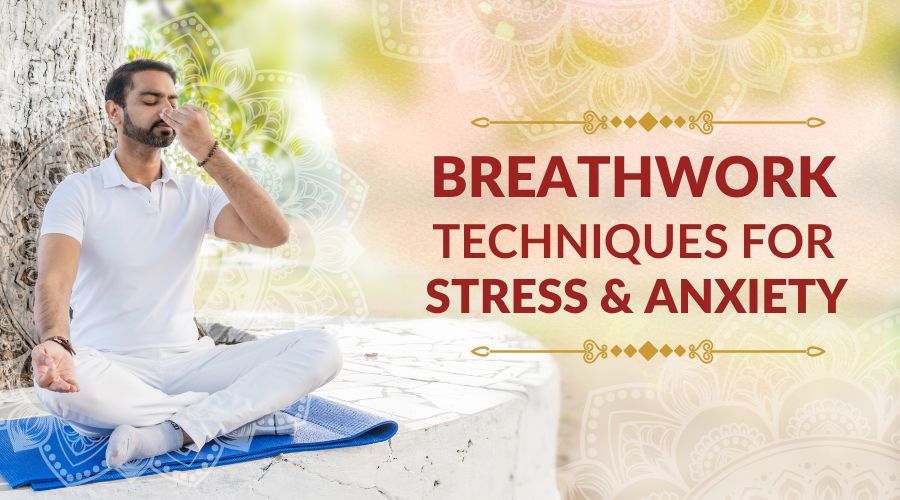
In today’s fast-paced world, stress has become a daily reality for millions of people. From work pressure and financial concerns to digital overload and lack of sleep, chronic stress affects both mental and physical health. While many people turn to caffeine, medications, or distractions to cope, one of the most powerful and natural solutions is often overlooked — Breathwork and Stress Relief.
Breathing is automatic, yet very few people use it intentionally. Scientific research in 2026 continues to confirm that controlled breathing techniques can calm the nervous system, reduce anxiety, lower blood pressure, and improve emotional balance within minutes.
In this detailed guide, we will explore the science behind Breathwork and Stress Relief, how breathing influences your nervous system, and practical techniques you can use for instant calm anytime, anywhere.
Understanding Breathwork and Stress Relief
Breathwork refers to intentional breathing techniques designed to regulate the nervous system, improve oxygen flow, and restore emotional balance.
The connection between Breathwork and Stress Relief lies in how breathing directly impacts your autonomic nervous system — which controls your stress response.
Your nervous system has two main branches:
- Sympathetic Nervous System (Fight or Flight)
- Parasympathetic Nervous System (Rest and Digest)
When you are stressed, your sympathetic system becomes overactive. Heart rate increases, muscles tense, and cortisol levels rise.
Intentional breathing activates the parasympathetic system, helping your body relax naturally.
The Science Behind Breathwork and Stress Relief
Breathing is one of the few bodily functions that is both automatic and voluntary. This means you can consciously influence your stress response.
1. Cortisol Regulation
Slow breathing lowers cortisol, the primary stress hormone. High cortisol levels contribute to anxiety, poor sleep, weight gain, and weakened immunity.
2. Heart Rate Variability (HRV)
Breathwork improves HRV, a marker of stress resilience. Higher HRV indicates better emotional regulation and nervous system balance.
3. Oxygen and Carbon Dioxide Balance
Proper breathing maintains optimal oxygen-carbon dioxide balance. Overbreathing (common during stress) can worsen anxiety symptoms.
4. Vagus Nerve Activation
Slow, deep breathing stimulates the vagus nerve, which signals the body to relax.
This is why Breathwork and Stress Relief techniques can create calm within minutes.
Signs You Need Breathwork for Stress Relief
Many people experience chronic stress without realizing it.
Common symptoms include:
- Tight chest
- Rapid breathing
- Muscle tension
- Brain fog
- Headaches
- Fatigue
- Irritability
- Sleep issues
If these symptoms are familiar, Breathwork and Stress Relief practices may help restore balance.
Benefits of Breathwork and Stress Relief
Consistent breathing practice offers numerous benefits:
- Reduced anxiety
- Lower blood pressure
- Improved sleep quality
- Better emotional control
- Enhanced focus
- Stronger immune function
- Reduced inflammation
- Improved digestion
Breathwork is simple, free, and accessible to everyone.
Natural Breathwork Techniques for Instant Calm
Here are powerful Breathwork and Stress Relief techniques you can practice anytime.
1. Box Breathing (4-4-4-4 Method)
Used by military professionals and athletes to reduce stress quickly.
How to do it:
- Inhale for 4 seconds
- Hold for 4 seconds
- Exhale for 4 seconds
- Hold for 4 seconds
Repeat for 3–5 minutes.
Benefits:
- Calms nervous system
- Improves focus
- Reduces anxiety
2. 4-7-8 Breathing
This technique promotes deep relaxation.
How to do it:
- Inhale for 4 seconds
- Hold for 7 seconds
- Exhale slowly for 8 seconds
Repeat 4 times.
Benefits:
- Helps with sleep
- Reduces racing thoughts
- Lowers stress quickly
3. Diaphragmatic (Belly) Breathing
Most adults breathe shallowly. Belly breathing restores natural breathing patterns.
How to do it:
- Place one hand on chest, one on stomach
- Inhale deeply so stomach expands
- Exhale slowly
Practice for 5–10 minutes daily.
Benefits:
- Lowers heart rate
- Reduces muscle tension
- Enhances oxygen flow
4. Alternate Nostril Breathing
A powerful technique from yoga traditions.
How to do it:
- Close right nostril and inhale left
- Close left nostril and exhale right
- Switch sides
Benefits:
- Balances energy
- Reduces anxiety
- Improves mental clarity
5. Resonance Breathing
Breathe at a steady rhythm of 5–6 breaths per minute.
Benefits:
- Improves HRV
- Enhances emotional resilience
- Supports heart health
Breathwork and Stress Relief for Anxiety
Anxiety often triggers rapid, shallow breathing. This creates a cycle:
Stress → Rapid breathing → Increased anxiety → More stress
Breathwork interrupts this cycle.
Slow breathing signals safety to the brain, reducing panic and calming racing thoughts.
Even 2–3 minutes of deep breathing can significantly reduce anxiety symptoms.
Breathwork and Stress Relief for Better Sleep
Chronic stress disrupts sleep patterns. High cortisol makes it difficult to relax at night.
Practicing Breathwork and Stress Relief techniques before bed:
- Reduces nighttime cortisol
- Slows heart rate
- Improves melatonin production
- Enhances deep sleep
The 4-7-8 method is especially effective for sleep support.
Breathwork and Immune Function
Stress weakens immunity by increasing inflammation.
Breathwork supports immune health by:
- Reducing chronic stress
- Improving oxygen delivery
- Supporting lymphatic circulation
- Enhancing sleep quality
Lower stress equals stronger immune resilience.
How to Build a Daily Breathwork and Stress Relief Routine
Consistency matters more than intensity.
Morning:
- 5 minutes box breathing
Midday:
- 2 minutes deep breathing break
Evening:
- 4-7-8 breathing before sleep
You can practice anywhere — at your desk, in your car, or before important meetings.
Common Mistakes to Avoid
- Forcing deep breaths too quickly
- Practicing inconsistently
- Expecting instant permanent results
- Breathing too fast
Keep breathing slow, steady, and comfortable.
Who Should Practice Breathwork?
Breathwork and Stress Relief practices are beneficial for:
- Busy professionals
- Students
- Parents
- Athletes
- Individuals with anxiety
- People experiencing burnout
Always consult a healthcare provider if you have respiratory or cardiovascular conditions.
Long-Term Benefits of Breathwork and Stress Relief
When practiced regularly, breathwork can:
- Improve emotional stability
- Reduce chronic stress
- Enhance mental clarity
- Support heart health
- Strengthen resilience
- Improve overall quality of life
Over time, your body learns to shift into calm mode more easily.
Frequently Asked Questions (FAQs)
How fast does breathwork reduce stress?
Many people feel calmer within 2–5 minutes of slow breathing.
Can breathwork replace medication?
Breathwork supports stress management but should not replace prescribed treatment without medical advice.
How often should I practice?
Daily practice yields the best results. Even 5 minutes per day is beneficial.
Is breathwork safe?
Yes, for most people. If you feel dizzy, slow down and return to normal breathing.
Final Thoughts
Breathwork and Stress Relief techniques offer one of the simplest and most powerful ways to calm your mind naturally. In 2026, as stress levels continue to rise globally, learning to control your breath is a valuable life skill.
Your breath is always with you. It costs nothing. It requires no equipment. Yet it holds the power to regulate your nervous system, balance hormones, and restore calm within minutes.
By incorporating daily breathwork into your routine, you can reduce anxiety, improve sleep, boost immunity, and strengthen emotional resilience.