 By Thezoqo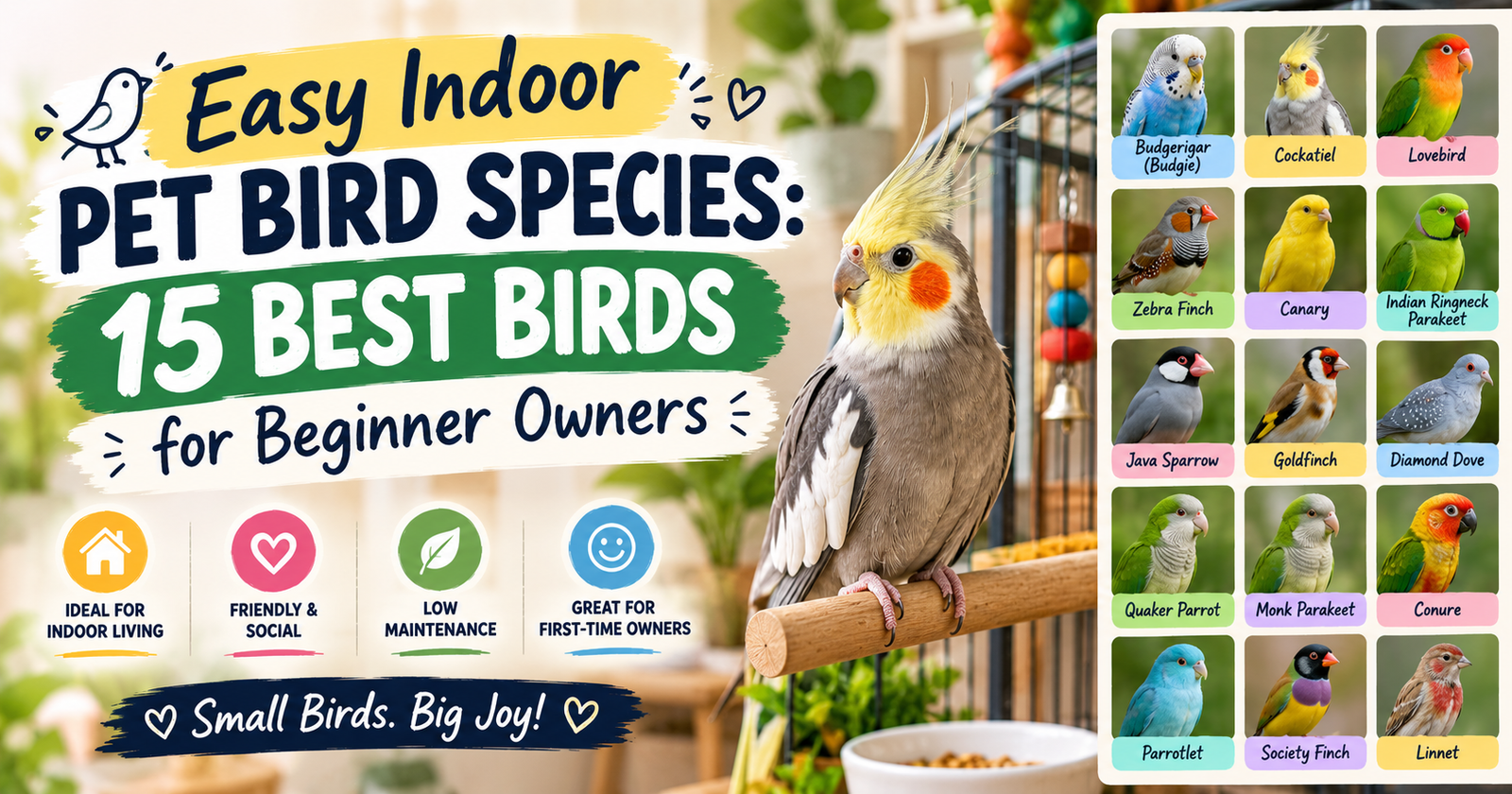
Bringing a feathered friend into your home is one of the most rewarding experiences a pet lover can have. Birds bring incredible personality, vibrant colors, gentle chatter, and cheerful energy into any living space. However, choosing the right companion requires careful consideration. Many large parrots require decades of commitment, high noise tolerance, and specialized care routines. For first-time owners, apartment dwellers, or busy families, starting with easy indoor pet bird species ensures a smooth, joyful transition into avian guardianship.
Opting for easy indoor pet bird species allows you to enjoy all the wonderful benefits of bird ownership—such as interactive bonding, melodic whistling, and engaging behaviors—without feeling overwhelmed by complex care requirements.
Exploring the biological diversity and fascinating natural traits of a bird reveals why these highly intelligent creatures adapt so remarkably well to domestic home environments when provided with proper care, spacious enclosures, and engaging social interaction. In this comprehensive 2000-word guide, we explore the top easy indoor pet bird species, detailing their unique temperaments, care requirements, diets, and living arrangements so you can choose the perfect feathered companion for your household.
Why Choose Easy Indoor Pet Bird Species for Your Home?
Before selecting a specific bird, it helps to understand why certain species are classified as ideal beginner options. Choosing easy indoor pet bird species offers distinct advantages for modern households:
- Manageable Noise Levels: Unlike large macaws or cockatoos whose screams reach high decibels, beginner-friendly species generate soft chattering, gentle whistles, or melodious songs that fit comfortably into apartments or shared housing.
- Compact Space Requirements: Smaller bird species thrive in reasonable cage sizes that fit easily into standard living rooms or home offices without sacrificing comfort.
- Gentle Temperaments: Easy indoor pet bird species generally exhibit mild temperaments, making them easier to hand-tame, train, and handle safely.
- Lower Cost of Maintenance: Food, perches, toys, and veterinary care for smaller birds are significantly more affordable than for large exotic parrots.
By selecting from well-known easy indoor pet bird species, you set both yourself and your new pet up for long-term success.
Top Easy Indoor Pet Bird Species for First-Time Owners
Here is a detailed breakdown of the absolute best easy indoor pet bird species that excel as gentle, low-maintenance household companions.
1. Budgerigars (Budgies or Parakeets)
Budgerigars, commonly known as budgies or parakeets, consistently rank at the top of lists featuring easy indoor pet bird species. Native to Australia, these small, colorful parrots pack massive personalities into compact bodies.
- Temperament: Playful, affectionate, curious, and highly social.
- Lifespan: 5 to 10 years (sometimes up to 15 years with optimal care).
- Why They Are Great: Budgies learn to speak, mimic sounds, and step onto fingers easily when hand-tamed. Their soft chattering creates a cheerful background ambience without disturbing neighbors.
2. Cockatiels
If you desire a sweet, cuddly lap-bird, cockatiels represent one of the most beloved easy indoor pet bird speciesavailable today. Distinguished by their expressive head crests and orange cheek patches, cockatiels form deep bonds with their human care providers.
- Temperament: Gentle, loving, inquisitive, and social.
- Lifespan: 10 to 15+ years.
- Why They Are Great: Cockatiels are famous for whistling tunes and mimicking household sounds like doorbells or alarm clocks. They enjoy gentle head scratches and sitting quietly on human shoulders during daily household activities.
3. Society Finches
For individuals seeking hands-off companion animals, Society Finches represent the gold standard among easy indoor pet bird species. These tiny, peaceful birds prefer interacting with flock mates rather than human hands.
- Temperament: Peaceful, quiet, energetic, and highly social with other finches.
- Lifespan: 5 to 8 years.
- Why They Are Great: Society Finches do not require out-of-cage handling or intensive hand-taming. Keeping a small flock in a spacious flight cage provides hours of entertaining observation as they chatter softly and build cozy nests.
4. Canaries
Renowned worldwide for their breathtaking vocal abilities, Canaries are classic easy indoor pet bird species prized by music lovers and apartment dwellers alike.
- Temperament: Independent, peaceful, solitary, and musical.
- Lifespan: 10 to 15 years.
- Why They Are Great: Male canaries produce beautiful, intricate songs that brighten up any living space. Canaries do not require hands-on bonding or handling, making them fantastic choices for busy professionals who appreciate hands-off pets.
5. Green-Cheeked Conures
For owners wanting a genuine “big parrot” experience in a manageable size, Green-Cheeked Conures stand out among easy indoor pet bird species. These small South American parrots are playful clowns who love interacting with family members.
- Temperament: Affectionate, goofy, energetic, and loyal.
- Lifespan: 15 to 20+ years.
- Why They Are Great: While louder than finches, Green-Cheeked Conures are vastly quieter than other conure species. They enjoy cuddling in fleece blankets, learning tricks, and playing with interactive wooden toys.
For helpful care guides, modern home lifestyle advice, and insightful pet ownership tips, explore the comprehensive resources available at thezoqo.
Essential Care Requirements for Easy Indoor Pet Bird Species
Even low-maintenance animals require dedicated care to thrive. Providing appropriate housing, nutrition, and environmental enrichment ensures your easy indoor pet bird species remains healthy, happy, and vibrant.
Choosing the Proper Enclosure and Cage Setup
Selecting an appropriate cage is vital for any of the easy indoor pet bird species. The cage should always represent the largest size your living space and budget allow.
- Bar Spacing: Ensure bar spacing matches your bird size. Small species like finches and budgies require spacing of 0.5 inches or less to prevent heads from getting trapped.
- Flight Clearance: Birds need enough horizontal room to stretch their wings fully and hop between perches without hitting tail feathers against cage bars.
- Varied Perches: Avoid uniform plastic perches. Instead, equip the cage with natural wood perches of varying textures and diameters to exercise foot muscles and keep nails worn down naturally.
Feeding and Nutrition Guidelines
A seed-only diet leads to severe nutritional deficiencies, fatty liver disease, and shortened lifespans across all easy indoor pet bird species. A balanced diet consists of:
- High-Quality Formulated Pellets: Pellets should form roughly 60% to 70% of your bird’s daily nutritional intake.
- Fresh Vegetables and Greens: Offer chopped leafy greens, broccoli, grated carrots, cooked sweet potatoes, and bell peppers daily.
- Occasional Fruits and Seeds: Fresh fruits (like apples and berries) and high-quality seed mixes serve as delicious, healthy treats rather than primary meal components.
- Clean, Fresh Water: Change water bowls daily—or multiple times a day if your bird likes bathing or dipping food in its dish.
Environmental Enrichment and Mental Stimulation
Birds are highly intelligent creatures that easily become bored if kept in static environments. Providing mental stimulation keeps easy indoor pet bird species mentally sharp and prevents destructive behaviors like feather plucking or excessive screaming.
1. Rotate Foraging and Shredding Toys
Provide toys made from natural materials like shreddable paper, seagrass, soft balsa wood, and cardboard. Rotating toys weekly keeps your bird’s cage environment fresh and exciting.
2. Daily Out-of-Cage Exercise Time
Except for non-handled species like finches and canaries, most easy indoor pet bird species thrive on daily out-of-cage time. Allow your hand-tamed budgie, cockatiel, or conure to fly or play on a dedicated tabletop playgym in a safe, bird-proofed room for at least 1 to 2 hours per day.
3. Safe Social Interactions
Birds consider human caretakers as members of their flock. Talking softly, singing, and placing cages in active areas of the home—like family rooms—keeps easy indoor pet bird species feeling connected and secure.
Home Safety Measures for Indoor Pet Birds
Creating a safe domestic environment is paramount when housing easy indoor pet bird species. Avian respiratory systems are extremely delicate, making them uniquely vulnerable to household airborne toxins.
Dangerous Household Hazards to Avoid
To protect your easy indoor pet bird species, eliminate these common household dangers immediately:
- Teflon and Non-Stick Cookware: Overheated non-stick cookware releases polytetrafluoroethylene (PTFE) fumes, which are instantly fatal to birds. Switch to stainless steel, ceramic, or cast-iron cookware.
- Aerosols and Scented Products: Avoid air fresheners, scented candles, incense, perfumes, and harsh chemical cleaners near your bird’s living quarters.
- Open Windows and Doors: Always close windows and doors—and secure window screens—before letting your bird out of its cage for play time.
- Ceiling Fans: Ensure ceiling fans are turned completely off whenever birds are enjoying out-of-cage flight time.
- Toxic Plants and Foods: Keep toxic houseplants (like pothos or philodendrons) and dangerous foods (chocolate, avocado, caffeine, onions, and alcohol) far out of your bird’s reach.
Grooming and Health Monitoring for Easy Indoor Pet Bird Species
Proactive health monitoring ensures your avian companion enjoys a long, energetic life.
Daily and Weekly Grooming Needs
- Bathing Opportunities: Most easy indoor pet bird species love bathing. Offer shallow water dishes, mist them gently with spray bottles, or place misting perches in showers.
- Nail and Beak Maintenance: Natural wood perches keep beaks and nails naturally trimmed, though occasional professional nail trims may be required.
- Preening Support: Birds groom their own feathers daily. Providing mist baths helps loosen feather sheaths during annual molting cycles.
Signs of a Healthy vs. Sick Bird
Because birds instinctually hide illness to protect themselves from predators in the wild, recognizing subtle health changes in your easy indoor pet bird species is critical.
- Healthy Bird Signs: Bright clear eyes, smooth feathers, active singing or chattering, clean vent feathers, eager eating, and playful energy.
- Signs of Illness: Fluffed-up feathers for extended periods, lethargy, sitting on cage floors, altered droppings, discharge around nostrils or eyes, loss of appetite, or heavy tail-bobbing while breathing.
If you observe any signs of illness, consult an avian veterinarian immediately.
Training and Bonding with Your Indoor Pet Bird
Building trust with easy indoor pet bird species requires patience, consistency, and positive reinforcement.
1. The Power of Positive Reinforcement
Never yell at or physically discipline a bird. Use favorite treats—like millet sprays, sunflower seeds, or small pieces of fruit—to reward calm behaviors and successful interactions.
2. Teaching the “Step-Up” Command
Teaching your bird to step onto your finger or wooden perch is the single most important command for all easy indoor pet bird species. Present your finger gently against your bird’s lower chest while saying “step up,” immediately offering a treat when they climb aboard.
3. Establishing a Consistent Daily Routine
Birds thrive on predictable schedules. Covering your bird’s cage at night to ensure 10 to 12 hours of uninterrupted darkness keeps easy indoor pet bird species well-rested and reduces behavioral frustration.
Frequently Asked Questions
Which easy indoor pet bird species is best for small apartments?
Budgies, finches, and canaries are ideal easy indoor pet bird species for small apartments. They require modest cage sizes, produce low to moderate noise, and adapt easily to indoor living environments.
Are easy indoor pet bird species safe around other household pets?
While birds can coexist in homes with dogs or cats, direct physical interaction should always be avoided. Instinctual predator drives pose significant risks. Always keep easy indoor pet bird species in secure cages placed high off the ground away from curious pets.
How much daily time do easy indoor pet bird species require?
Interactive species like cockatiels, budgies, and conures require 1 to 2 hours of daily out-of-cage attention and handling. Hands-off species like finches and canaries require only 10 to 15 minutes of daily maintenance for feeding and cage cleaning.
Can easy indoor pet bird species learn to talk?
Yes! Budgies are renowned for having vast vocabularies when trained consistently. Cockatiels excel at whistling songs and mimicking sounds, while Green-Cheeked Conures can learn several words and short phrases.
Final Thoughts: Finding Your Ideal Feathered Companion
Selecting from available easy indoor pet bird species brings incredible warmth, musical cheer, and charming companionship into your home. Whether you choose the affectionate, musical nature of a cockatiel, the playful chatter of a budgie, the gorgeous songs of a canary, or the social charm of finches, providing proper care ensures a delightful partnership.
By providing spacious housing, balanced nutrition, safe surroundings, and daily affection, your chosen indoor pet bird will remain a cherished family member for years to come.
Take your time researching, prepare your home thoughtfully, and enjoy every rewarding moment of welcoming a feathered friend into your life!