 By Thezoqo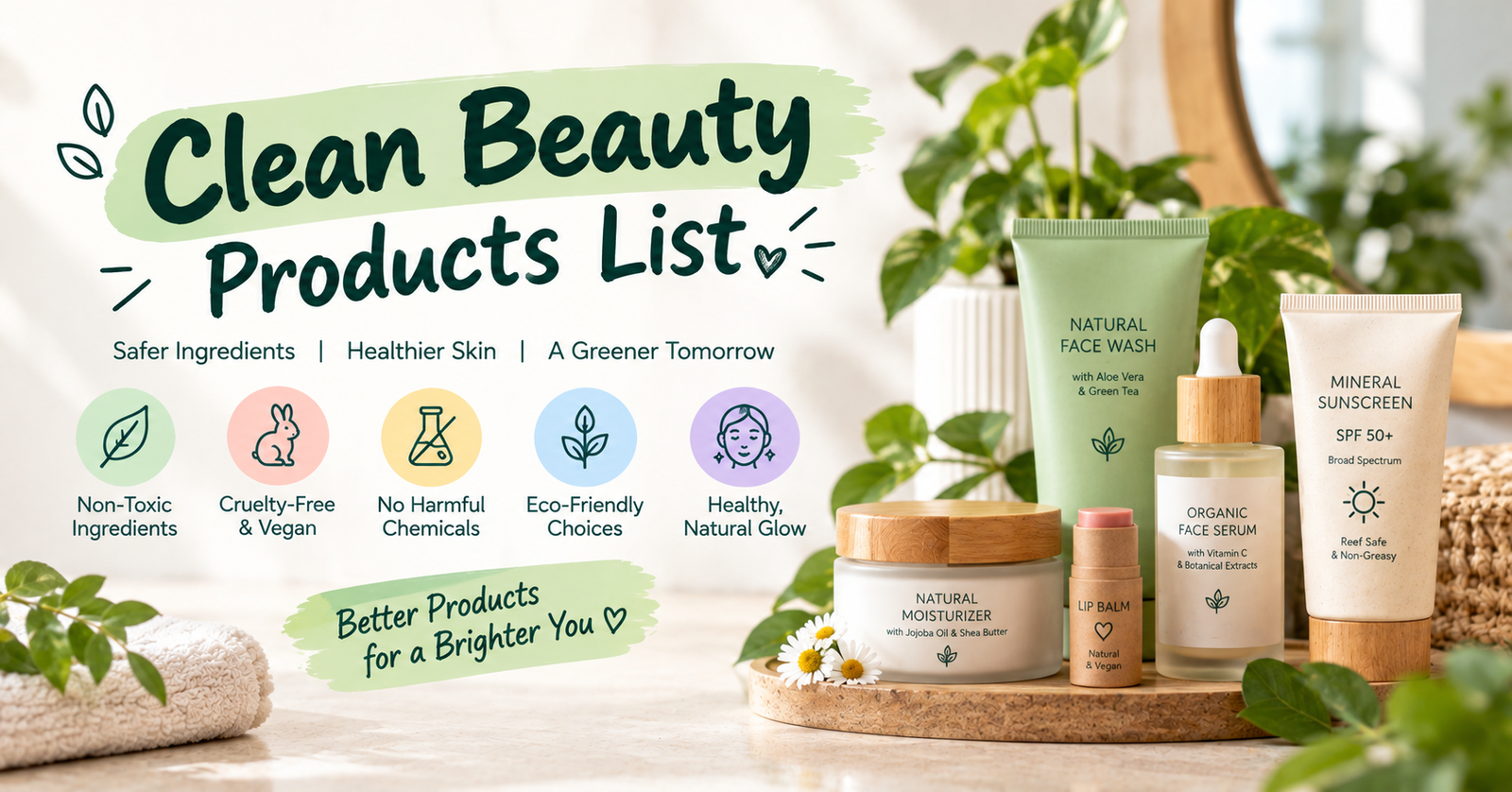
In recent years, the global beauty industry has undergone a massive paradigm shift. Conscious consumers are no longer relying solely on glossy advertising campaigns or attractive packaging; instead, they are reading ingredient labels, researching chemical safety, and prioritizing long-term health. As a result, searching for a reliable, comprehensive clean beauty products list has become an essential step for anyone looking to build a safe, non-toxic, and environmentally friendly personal care routine.
Navigating the world of clean beauty can feel overwhelming. Terms like “green,” “organic,” “pure,” and “all-natural” are frequently used across marketing campaigns without clear regulation, a phenomenon known as greenwashing. True clean beauty goes beyond buzzwords—it focuses on formulations that eliminate known toxins, hormone disruptors, carcinogens, and environmental pollutants without sacrificing product performance or visual elegance.
This comprehensive guide breaks down what clean beauty products list actually means, highlights toxic ingredients you should avoid, and provides a curated, category-by-category clean beauty products list to transform your daily skincare, makeup, and haircare regimen.
What Is Clean Beauty? Defining the Standard
At its core, clean beauty products list refers to personal care products that are mindfully created without ingredients that are known or suspected to harm human health or the planet.
Unlike conventional cosmetics, which may contain synthetic preservatives, harsh petroleum derivatives, and artificial fragrances, clean formulations prioritize safety, non-toxicity, and ingredient transparency.
Core Pillars of Genuine Clean Beauty:
│ 1. INGREDIENT SAFETY ➔ Free from known toxins & carcinogens │
│ 2. TRANSPARENCY ➔ Full labeling; no hidden “fragrance” │
│ 3. ETHICAL SOURCING ➔ Cruelty-free & sustainably harvested│
│ 4. ECO-PACKAGING ➔ Recyclable or biodegradable materials │
According to cosmetics regulatory frameworks documented on Wikipedia, ingredient safety standards vary drastically across different global regions. While the European Union has banned or restricted over 1,600 toxic chemicals in cosmetics, other international regions restrict significantly fewer, making personal ingredient literacy essential for consumers.
The “Dirty Dozen”: Ingredients to Avoid
Before building your clean beauty products list, it is critical to know which harmful substances you need to filter out. The following ingredients are widely flagged by toxicologists and dermatologists for their potential links to endocrine disruption, organ toxicity, and severe skin irritation:
- Parabens (Methyl-, Ethyl-, Propyl-, Butylparaben): Synthetic preservatives that mimic estrogen in the body, potentially disrupting hormone function.
- Phthalates (DBP, DEP, DEHP): Plasticizing chemicals commonly hidden inside synthetic fragrances, linked to reproductive toxicity and endocrine disruption.
- Sulfates (SLS and SLES): Harsh surfectants that strip the skin and scalp of natural protective lipids, causing chronic dryness and irritation.
- Formaldehyde and Formaldehyde Releasers (DMDM Hydantoin, Imidazolidinyl Urea): Known human carcinogens used as preservatives in low-grade haircare and skincare items.
- Synthetic Fragrance / Parfum: A legal loophole allowing brands to hide hundreds of undisclosed chemical ingredients under a single trade-secret name.
- Polyethylene Glycols (PEGs): Petroleum-based compounds frequently contaminated with 1,4-dioxane, a known carcinogen.
- Silicones (Dimethicone, Cyclopentasiloxane): Non-biodegradable synthetic polymers that create a temporary barrier on skin but can clog pores and pollute aquatic ecosystems.
- Chemical Sunscreen Filters (Oxybenzone, Octinoxate): Systemically absorbed chemicals that can disrupt hormones and bleach coral reefs.
- Triclosan and Triclocarban: Synthetic antibacterial agents linked to thyroid disruption and antibiotic resistance.
- Coal Tar Dyes: Synthetic colorants derived from petroleum processing, often contaminated with heavy metals.
- Mineral Oil & Petrolatum: Crude oil byproducts that can be contaminated with polycyclic aromatic hydrocarbons (PAHs) if improperly refined.
- BHA and BHT: Synthetic antioxidants used to extend shelf life, flagged as potential endocrine disruptors.
The Ultimate Clean Beauty Products List
To simplify your transition toward a safer routine, here is a categorized clean beauty products list featuring essential product types and the key non-toxic ingredients you should look for.
Category 1: Clean Skincare Essentials
Your skin is your largest organ, absorbing a significant portion of what you apply topically. Swapping out conventional skincare for non-toxic alternatives is the most impactful place to begin.
Essential Clean Skincare Routine:
MORNING: Gentle Oil Cleanser ➔ Vitamin C ➔ Mineral SPF
EVENING: Cream Cleanser ➔ Bakuchiol ➔ Barrier Cream
1. Nourishing Oil and Gel Cleansers
- What It Does: Gently lifts away makeup, environmental pollutants, and excess sebum without stripping the skin barrier.
- Clean Ingredients to Look For: Jojoba seed oil, rosehip oil, chamomile extract, aloe vera leaf juice, green tea extract.
- Why It Matters: Conventional cleansers rely on harsh sulfates that damage the stratum corneum, leading to reactive oiliness and sensitivity.
2. Hydrating Serums and Essences
- What It Does: Delivers concentrated active ingredients deep into the epidermis to plump, hydrate, and brighten.
- Clean Ingredients to Look For: Botanical hyaluronic acid, snow mushroom extract, niacinamide (Vitamin B3), rosewater.
- Why It Matters: Clean serums replace synthetic glycol bases with soothing botanical waters and plant-derived humectants.
3. Age-Defying Treatments (Retinol Alternatives)
- What It Does: Accelerates cellular turnover, stimulates collagen production, and smooths fine lines.
- Clean Ingredients to Look For: Bakuchiol (a natural botanical alternative to synthetic retinol), rosehip seed oil, sea buckthorn, peptides.
- Why It Matters: Bakuchiol provides the cell-renewing power of traditional retinoids without causing severe peeling, redness, or photosensitivity.
4. Barrier-Repairing Moisture Creams
- What It Does: Locks in hydration, reinforces the lipid barrier, and calms redness.
- Clean Ingredients to Look For: Plant-derived squalane, shea butter, ceramide NP, marula oil, chia seed extract.
- Why It Matters: Replaces cheap petroleum byproducts (like mineral oil) with nutrient-dense botanical lipids rich in antioxidants and fatty acids.
5. Mineral-Based Sunscreens
- What It Does: Reflects harmful UVA and UVB rays away from the skin surface.
- Clean Ingredients to Look For: Non-nano Zinc Oxide, Titanium Dioxide, red raspberry seed oil.
- Why It Matters: Non-nano mineral zinc provides immediate broad-spectrum protection without penetrating the bloodstream or harming marine ecosystems.
Category 2: Clean Makeup Essentials
Conventional color cosmetics often contain high levels of heavy metals, synthetic dyes, and volatile silicones. Building a clean makeup collection ensures vibrant performance without skin absorption risks.
| Product Type | Clean Ingredient Alternatives | Benefits over Conventional Makeup |
| Foundation / Tinted Moisturizer | Aloe vera, zinc oxide, jojoba oil, mineral pigments | Light coverage that hydrates skin without clogging pores |
| Concealer | Coconut alkanes, avocado oil, vitamin E | Smooth coverage that doesn’t crease or dry out under-eyes |
| Mascara | Beeswax, carnauba wax, acacia gum, charcoal powder | Lengthens lashes without synthetic polymers or parabens |
| Lipstick / Lip Oil | Castor seed oil, mango butter, fruit pigments | Rich color payoff using edible, food-grade ingredients |
| Blush & Bronzer | Mica (ethically sourced), cocoa powder, beet root extract | Natural flush without talc or synthetic lake dyes |
1. Clean Mineral Foundations and Skin Tints
Modern clean foundations provide buildable, weightless coverage using natural earth minerals suspended in soothing plant oils. They replace pore-clogging silicones with breathable botanical esters.
2. Talc-Free Powders, Blushes, and Bronzers
Talc is a soft mineral frequently contaminated with asbestos due to natural mining proximity. Clean powder formulations use organic rice starch, bamboo silk, or arrowroot powder to absorb shine safely.
3. Nourishing Lip Oils and Lipsticks
Because much of what you apply to your lips is inadvertently ingested, clean lip products are formulated with food-grade ingredients like organic shea butter, cold-pressed fruit oils, and natural mineral or plant pigments.
For curated wellness recommendations, lifestyle tips, and holistic living guides, explore resources hosted on https://thezoqo.com/.
Category 3: Clean Haircare Essentials
Your scalp is highly vascular, meaning it readily absorbs chemical compounds applied during washing. Clean haircare focuses on balancing the scalp microbiome while strengthening the hair shaft.
1. Sulfate-Free Clarifying Shampoos
- Key Actives: Decyl glucoside, sodium cocoyl isethionate, apple cider vinegar, tea tree oil.
- Benefits: Gently cleanses the scalp without stripping natural protective oils or fading color-treated hair.
2. Silicone-Free Conditioners and Hair Masks
- Key Actives: Argan oil, coconut water, hydrolyzed quinoa protein, abyssinian oil.
- Benefits: Deeply hydrates hair fibers without leaving non-water-soluble silicone coatings that weigh down hair over time.
3. Scalp Serums and Exfoliating Treatments
- Key Actives: Salicylic acid (from willow bark), rosemary oil, peppermint oil, aloe vera.
- Benefits: Unclogs hair follicles, balances oil production, and stimulates blood circulation to encourage healthy hair growth.
Category 4: Clean Body Care Essentials
Body care products cover large surface areas, making non-toxic formulations vital for reducing overall systemic chemical exposure.
- Aluminum-Free Deodorants: Formulated with baking soda alternatives (like magnesium hydroxide and arrowroot powder) to neutralize odor-causing bacteria without blocking natural sweat glands.
- Nourishing Body Washes: Gentle, plant-based cleansers infused with essential oils and plant glycerin to maintain skin hydration.
- Rich Body Butters and Oils: Formulated with raw cocoa butter, jojoba, and sweet almond oil to restore deep skin elasticity.
Step-by-Step: How to Transition to a Clean Beauty Routine
Transitioning your entire beauty cabinet at once can be expensive and overwhelming. Follow this practical, step-by-step strategy to switch over sustainably:
Transition Roadmap to Clean Beauty:
STEP 1 ➔ Audit your current collection (Check labels)
STEP 2 ➔ Replace leave-on products first (Moisturizer)
STEP 3 ➔ Swap out wash-off products as they finish
STEP 4 ➔ Upgrade makeup & body care gradually
Step 1: Conduct an Ingredient Audit
Go through your current beauty products and check their ingredient lists against reliable safety databases (such as EWG’s Skin Deep or the Think Dirty app). Identify items containing high-risk ingredients like parabens, phthalates, and synthetic fragrance.
Step 2: Replace Leave-On Products First
Prioritize replacing products that sit on your skin all day (such as moisturizers, serums, foundations, and body lotions) before worrying about wash-off products (like body wash or cleanser). Leave-on products have a higher absorption rate into the skin.
Step 3: Swap as You Deplete
Avoid throwing away usable products unnecessarily. As a conventional item empties, replace it with a clean alternative from your clean beauty products list. This prevents waste and distributes the cost over time.
Step 4: Patch Test New Clean Formulations
Natural botanical extracts can still cause allergic reactions in sensitive individuals. Always apply a small amount of any new product to your inner forearm or jawline and wait 24 to 48 hours to ensure no redness or irritation develops.
How to Spot Greenwashing: Buying with Confidence
Because legal definitions for “clean” remain broad, some brands use clever marketing to appear natural while still using questionable synthetic ingredients.
- Look for Independent Certifications: Trustworthy third-party seals include USDA Organic, COSMOS Natural, EWG Verified, Leaping Bunny (Cruelty-Free), and MADE SAFE.
- Read the Full INCI List: Ignore claims made on the front of the bottle (“100% Pure,” “Botanical Blend”) and turn the bottle over to inspect the actual International Nomenclature Cosmetic Ingredient (INCI) list.
- Beware of Unspecified “Fragrance”: If a brand lists “Fragrance” or “Parfum” without specifying the individual essential oils or natural isolates used, put it back on the shelf.
Final Thoughts: Investing in Your Long-Term Health
Adopting a clean beauty products list is more than just a passing cosmetic trend—it is a conscious lifestyle choice that prioritizes your physical well-being and respects the environment. By choosing non-toxic skincare, mineral makeup, and clean haircare, you protect your body from unnecessary chemical burdens while encouraging sustainable industry practices. Start small, read your labels, and enjoy the transformative power of clean, natural ingredients.