 By Thezoqo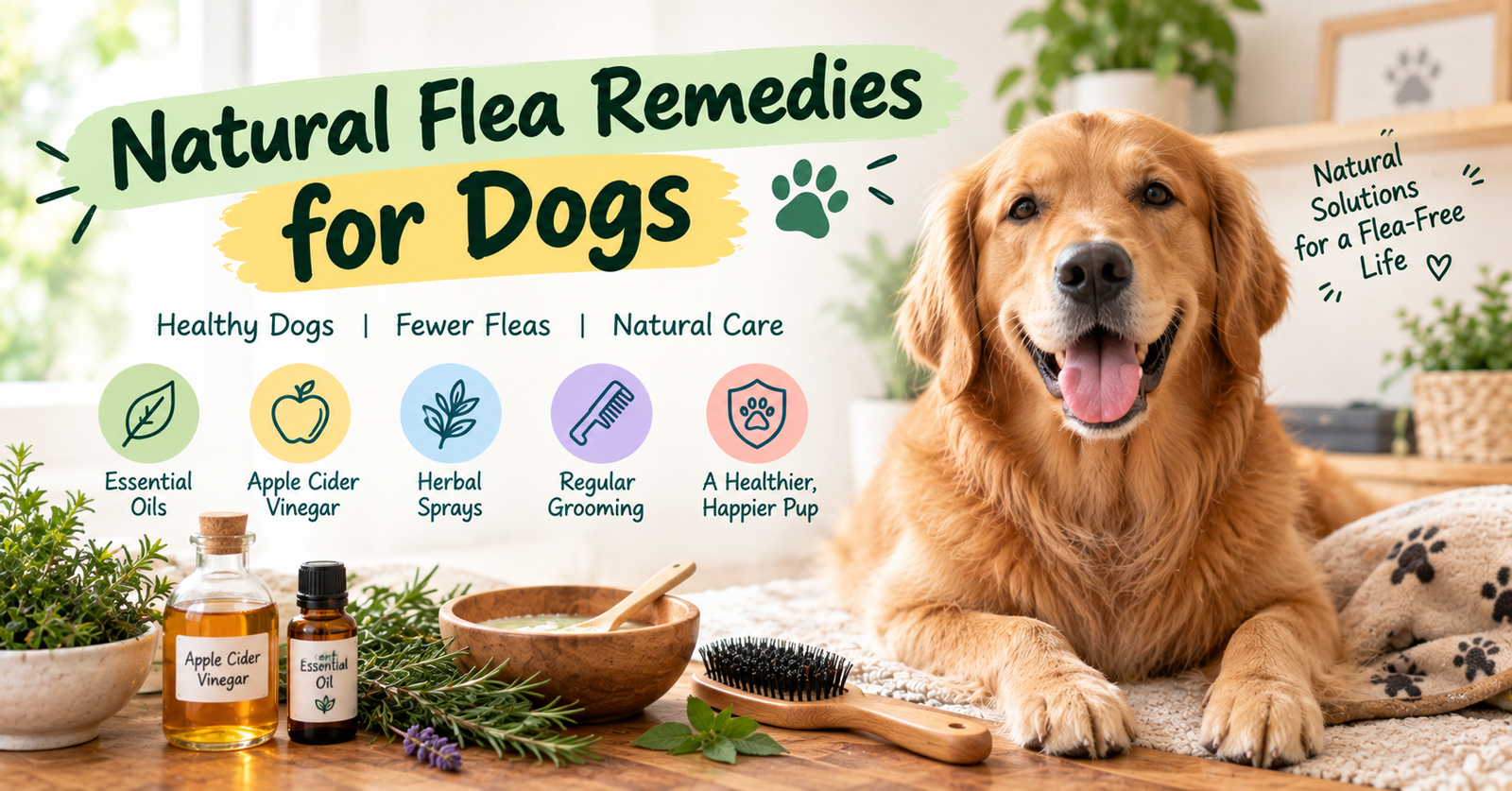
Discovering that your beloved canine companion is constantly scratching, biting at their skin, or visibly uncomfortable due to fleas is every dog owner’s nightmare. Fleas are relentless, highly adaptable parasites that multiply rapidly, causing severe itching, skin irritation, hair loss, and even allergic reactions.
While conventional chemical flea treatments—such as topical spot-ons, oral chewables, and medicated collars—are widely available, many pet owners are increasingly concerned about potential side effects, toxic chemical exposure, and skin sensitivities. As a result, searching for safe, effective, and gentler natural flea remedies for dogs has become a top priority for conscious dog parents.
Eliminating fleas without harsh chemicals requires a holistic, multi-step approach. Because fleas spend only a portion of their life cycle on your pet, a truly effective natural strategy must target your dog’s coat, your indoor home environment, and your outdoor yard simultaneously. so here are natural flea remedies for dogs:
This comprehensive guide breaks down the biological life cycle of fleas, reveals the most effective natural flea remedies for dogs, and provides actionable steps to keep your home and pet permanently pest-free.
Understanding the Flea Life Cycle
To effectively treat fleas naturally, you must understand their lifecycle. Applying a treatment once will only kill active adult fleas, leaving hundreds of eggs and larvae waiting to hatch days later.
The 4 Stages of the Flea Life Cycle:
1. EGGS ➔ Laid on dog; drop into carpet, bedding, grass.
2. LARVAE ➔ Hatch in 2–12 days; feed on organic debris.
3. PUPAE/COCOON➔ Resistant shell; can sleep for months.
4. ADULTS ➔ Emerge to feed, bite, and reproduce.
According to biological and entomological research on Wikipedia, adult fleas represent only about 5% of the total flea population in an infested environment. The remaining 95% exists as invisible eggs, larvae, and pupae hidden inside carpets, furniture upholstery, floor cracks, and outdoor soil.
Therefore, successful natural flea remedies for dogs must address all four stages to break the infestation cycle completely.
1. Top natural flea remedies for dogs: Treatments Applied Directly
Direct physical care and topical remedies form your first line of defense against active adult fleas feeding on your dog.
| Natural Remedy | Key Mechanism | Best Use Case | Safety Note |
| Apple Cider Vinegar (ACV) | Creates acidic environment fleas hate | Daily coat spray or rinse | Dilute 1:1 with water; avoid raw wounds |
| Flea Comb & Soapy Water | Physical removal and drowning | Daily grooming routine | Dip comb in soapy water after every stroke |
| Organic Coconut Oil | Lauric acid smothers fleas & soothes skin | Topical rub or bath additive | Safe if ingested in small quantities |
| Lemon Juice Wash | Natural d-limonene repels pests | Post-bath final rinse | Do not apply near eyes or inflamed skin |
Apple Cider Vinegar (ACV) Coat Spray
Apple cider vinegar does not kill fleas directly on contact, but its acidic nature alters the pH of your dog’s skin and coat, making it extremely unpalatable and repellant to pests.
- How to Prepare: Mix equal parts raw, unfiltered apple cider vinegar and clean water in a spray bottle.
- How to Apply: Lightly mist your dog’s coat, focusing on common flea hot spots like the base of the tail, neck, underbelly, and armpits. Gently massage it into the fur. Avoid spraying near your dog’s eyes, nose, or open skin scratches.
Fine-Toothed Flea Combing
Never underestimate the power of mechanical removal! A fine-toothed metal flea comb physically catches adult fleas, flea dirt (poop), and eggs.
- Method: Keep a bowl of warm water mixed with liquid dish soap nearby. Comb your dog slowly through their fur, starting from the head down to the tail. After each stroke, dip the comb into the soapy water. The soap breaks the surface tension of the water, drowning the fleas immediately so they cannot jump out.
Organic Extra Virgin Coconut Oil
Coconut oil contains lauric acid, a unique fatty acid that acts as a natural antibacterial, anti-fungal, and insect repellent.
- Method: Rub a small amount of virgin coconut oil between your palms until it melts into a liquid. Massage it thoroughly into your dog’s skin and coat. The oil suffocates adult fleas on contact while soothing inflamed, itchy skin caused by flea bites.
2. Homemade Natural Flea Shampoo and Bath Remedies
Bathing your dog removes dirt, drowns adult fleas, and washes away itchy flea waste.
Steps for an Effective Natural Flea Bath:
STEP 1 ➔ Create a soap ring around your dog’s neck.
STEP 2 ➔ Lather body with natural Castile soap & neem.
STEP 3 ➔ Leave lather on for 5–10 minutes to drown.
STEP 4 ➔ Rinse thoroughly with lukewarm water.
The “Neck Ring” Technique
When fleas feel water or soap on your dog’s body, their natural instinct is to scramble upward toward the dry safety of your dog’s head, face, and ears.
- Pro Tip: Always apply a thick ring of soap or natural shampoo around your dog’s neck before wetting the rest of their body. This acts as a physical barrier, trapping the fleas on the body where they can be easily washed away.
Natural Castile Soap and Neem Oil Bath
Pure liquid Castile soap (such as Dr. Bronner’s) gently washes away fleas without stripping your dog’s skin of its natural protective oils.
- Add Neem Oil: Mix a few drops of pure organic neem oil into your natural shampoo. Neem oil is a powerful botanical extract that disrupts the hormone systems of insects, preventing flea eggs and larvae from maturing.
For more comprehensive pet care, wellness guides, and holistic lifestyle ideas, check out educational resources at https://thezoqo.com/.
3. Dietary Additives to Repel Fleas from the Inside Out
A dog with a strong immune system and healthy skin is naturally far less attractive to parasites. Adding natural repellents to your dog’s food helps create an internal barrier against fleas.
Brewer’s Yeast
Brewer’s yeast is rich in B-complex vitamins. When ingested daily, it produces an aroma through the dog’s skin that fleas find highly offensive, while remaining completely odorless to human noses.
- Dosage: Sprinkle a small spoonful of pet-grade brewer’s yeast onto your dog’s daily food. Start with small doses to ensure your dog tolerates it well.
Fresh Garlic (In Very Small, Safe Quantities)
While large amounts of garlic can be toxic to natural flea remedies for dogs, tiny, controlled doses of fresh, crushed organic garlic offer potent anti-parasitic benefits.
- Safety Guideline: Only use fresh, crushed raw garlic (never dried garlic powder). The safe rule of thumb is roughly 1/4 clove of fresh garlic per 20 pounds of body weight per day. Consult your veterinarian before adding garlic to your dog’s diet, especially if your dog has an underlying blood condition.
4. Treating the Indoor Environment Naturally
Since 95% of a flea infestation lives in your home environment, treating your pet without treating your living space will guarantee re-infestation within days.
Food-Grade Diatomaceous Earth (DE)
Food-grade Diatomaceous Earth is an all-natural, fine powder made from the fossilized remains of microscopic aquatic organisms called diatoms.
- How It Works: On a microscopic level, DE particles have razor-sharp edges that slice through the protective waxy outer exoskeleton of fleas, causing them to dehydrate and die naturally without any toxic chemicals.
- How to Apply: Ensure you purchase Food-Grade DE (never pool-grade DE). Dust the powder lightly over carpets, rugs, dog beds, floor cracks, and furniture upholstery. Allow it to sit for 24 to 48 hours, then vacuum thoroughly.
- Safety Caution: Wear a dust mask during application to avoid inhaling the fine airborne powder.
The Power of Frequent Vacuuming
Vacuuming daily is one of the most effective non-chemical ways to combat fleas. The suction lifts eggs, larvae, and adults out of deep carpet fibers, while the vibration encourages dormant flea pupae to hatch out of their protective cocoons where they can be destroyed.
- Disposal: Immediately empty your vacuum canister into an outdoor trash bag after every vacuum session to prevent trapped fleas from crawling bnatural flea remedies for dogs ack out into your home.
Washing Dog Bedding in Hot Water
Flea eggs and larvae gather heavily wherever your dog rests. Strip all washable pet beds, blankets, cushion covers, and throw rugs once or twice a week. Wash them using hot water and dry them on high heat for at least 30 minutes to kill all stages of flea life.
5. Natural Outdoor Flea Control for Your Yard
Your yard is often the orignatural flea remedies for dogsinal source of flea problems. Wild animals (like squirrels, raccoons, or stray cats) drop flea eggs into shading grass, where they hatch and wait for your dog to walk by.
Beneficial Nematodes
Beneficial nematodes (Steinernema carpocapsae) are microscopic, harmless soil organisms that feed naturally on flea larvae and pupae in the dirt.
- Application: Purchase beneficial nematodes from garden centers or online. Mix them with water according to package directions and spray them over moist, shaded areas of your lawn, garden beds, and under bushes where fleas breed. They are completely safe for dogs, humans, and beneficial garden insects like earthworms and bees.
Maintain Your Lawn
- Mow Regularly: Keep grass short to expose the soil to direct sunlight. Fleas thrive in dark, humid, shaded environments and cannot survive in hot, sunlit spaces.
- Clear Debris: Rake up fallen leaves, wood chips, and overgrown weeds where fleas and wild host animals like to hide.
Critical Safety Rules and Essential Oil Warnings
When exploring natural flea remedies for dogs, it is vital to remember that “natural” does not automatically mean safe for every pet.
Essential Oil Safety Status for Dogs:
❌ TOXIC ➔ Tea Tree, Pennyroyal, Wintergreen, Citrus
⚠️ CAUTION ➔ Lavender, Cedarwood, Lemongrass (DILUTE)
✔️ SAFE ➔ Apple Cider Vinegar, Coconut Oil, Neem
- Avoid Toxic Essential Oils: Never apply pure, undiluted essential oils directly to your dog’s skin. Oils such as Tea Tree Oil, Pennyroyal, Wintergreen, and Clove are highly toxic to dogs and can cause organ damage or severe neurological symptoms.
- Cats are Extra Sensitive: If you share your home with cats as well as dogs, be extremely cautious. Cats lack specific liver enzymes needed to metabolize many natural compounds (especially essential oils and citrus extracts), making certain natural remedies deadly to felines.
- Perform Patch Tests: Always test a tiny amount of any new homemade spray or bath remedy on a small area of your dog’s skin first. Wait 24 hours to check for signs of redness, rash, or irritation before applying it all over.
When to Seek Professional Veterinary Care
While natural remedies are highly effective for mild to moderate flea prevention and control, severe infestations or allergic reactions require veterinary assistance. Consult your vet immediately if you notice:
- Flea Allergy Dermatitis (FAD): Extreme hair loss, intense scabbing, open sores, or severe inflammation caused by extreme sensitivity to flea saliva.
- Pale Gums (Anemia): Young puppies or small dogs infested with heavy flea burdens can suffer significant blood loss leading to life-threatening anemia.
- Tapeworms: Fleas carry tapeworm larvae. If your dog accidentally swallows an infected flea while grooming, they may develop tapeworms inside their digestive tract, requiring prescription deworming medication.
Final Thoughts: A Consistent Holistic Defense
Successfully using natural flea remedies for dogs is not about finding a single magic cure—it is about consistency, patience, and combining multiple gentle strategies into a powerful daily routine. By treating your dog’s coat, vacuuming your indoor living space, and managing your outdoor yard, you can protect your beloved pet from painful flea bites naturally and safely.