 By Thezoqo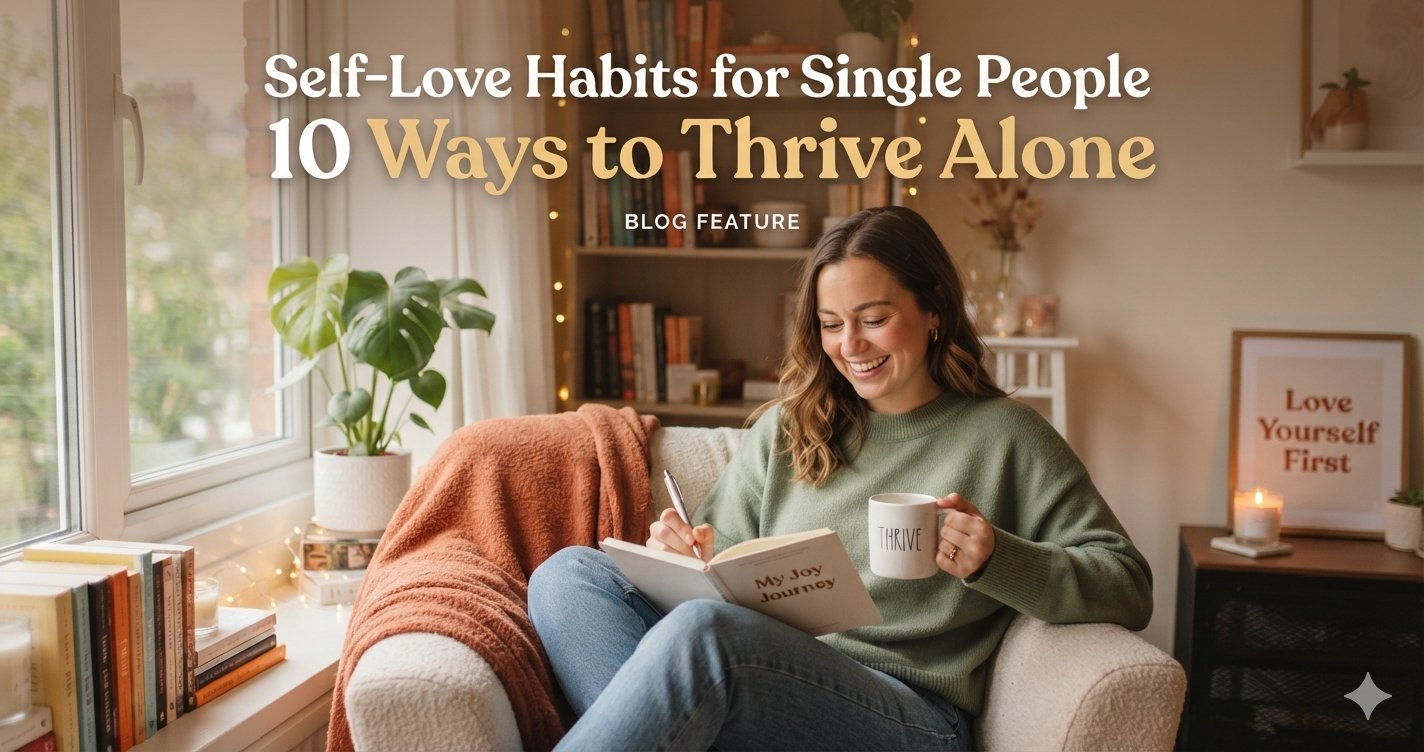
Being single is often framed by societal narratives as a temporary waiting room—a transitional period you endure until the “right person” comes along. However, singlehood is not a state of lack; it is a powerful, transformative opportunity for deep personal growth, self-discovery, and total autonomy. Learning to practice self-love habits for single people transforms solitude from a feeling of isolation into a sanctuary of personal strength and deep fulfillment.
Self-love habits for single people goes far beyond superficial pampering, bubble baths, and occasional splurges. True self-love is an active, daily discipline that involves setting firm boundaries, nurturing your mental and physical health, honoring your personal desires, and cultivating an unshakeable bond with yourself.
Whether you are recently single, taking an intentional break from dating, or happily embracing a long-term solo journey, this comprehensive guide will walk you through actionable, holistic habits to build a rich, vibrant, and joyful life on your own terms.
What Is Self-Love and Why Is It Vital for Single People?
self-love habits for single people is the dynamic practice of supporting your own well-being, happiness, and personal growth. It means treating yourself with the same unconditional kindness, respect, and compassion that you would offer a cherished friend or partner.
When you are single, your relationship with yourself sets the baseline for every other aspect of your life. Without a partner to rely on for daily validation, you have the unique freedom—and responsibility—to become your own primary source of emotional security, encouragement, and happiness.
[ External Validation Seeking ] ──► [ Codependency & Anxiety ] ──► [ Burnout & Loneliness ]
[ Peaceful Independence & Worth ] ◄── [ Daily Self-Love Habits ] ◄─────┘
According to extensive psychological research detailed on Wikipedia, a healthy sense of self-worth acts as a crucial buffer against stress, anxiety, and depression. Cultivating internal self-worth ensures that you never settle for unhealthy relationships out of a fear of being alone.
The Benefits of Embracing Singlehood
Shifting your perspective from “being alone” to “thriving in solitude” opens up unprecedented freedom and opportunities for personal growth:
- Complete Autonomy: You have total control over your schedule, living space, finances, career direction, and daily routine.
- Emotional Independence: You learn to process emotions, soothe your own anxiety, and build resilience without depending on external validation.
- Deeper Friendships: Singlehood gives you the time and energy to invest deeply in your friendships, family connections, and community networks.
- Uninterrupted Personal Growth: You can pursue new hobbies, higher education, travel, or career shifts without needing to compromise.
10 Empowering Self-Love Habits for Single People
Developing a fulfilling self-love habits for single people requires intentional effort. Here are ten daily habits designed to help you build self-worth, embrace solitude, and fall in love with your own life.
10 SELF-LOVE HABITS FOR SINGLE PEOPLE
| 1. Practice Intentional Solo Dates 6. Establish a Sacred Morning Routine|
| 2. Master Internal Self-Validation 7. Create an Inspiring Living Space |
| 3. Build Firm Emotional Boundaries 8. Invest in Personal Skill Building |
| 4. Prioritize Somatic Self-Care 9. Reframe Your Inner Monologue |
| 5. Nurture Deep Non-Romantic Connections 10. Practice Financial Independence |
1. Take Yourself Out on Intentional “Solo Dates”
Waiting for a partner to try a new restaurant, visit an art gallery, or travel to a new city holds your life hostage. Taking yourself out on intentional solo dates normalizes enjoying your own company in public settings.
- Start Small: Visit a local coffee shop with a good book or take yourself to a matinee movie.
- Level Up: Book a table at a fine dining restaurant, attend a concert, or take a solo weekend trip. Treat yourself with the same care and enthusiasm you would bring to a romantic date.
2. Master the Art of Internal Self-Validation
Relying on external approval—whether from dating apps, social media likes, or peer praise—creates an unpredictable emotional rollercoaster. True self-love begins when you learn to validate your own feelings, choices, and achievements.
- Celebrate Your Wins: Keep a “victory log” where you record daily accomplishments, no matter how small.
- Acknowledge Your Feelings: When you feel sad, anxious, or lonely, sit with those emotions without judgment. Remind yourself: “My feelings are valid, and I am capable of soothing myself.”
3. Build Firm Boundaries Around Your Time and Energy
Being single does not mean your time is automatically available to everyone else. Protecting your personal energy is one of the ultimate expressions of self-respect.
- Learn to Say “No”: Decline social invitations or extra work assignments that leave you feeling drained, without feeling the need to offer elaborate excuses.
- Limit Unhelpful Inquiries: Politely shut down intrusive questions from family or friends about your relationship status. Set a clear boundary: “I am really happy focusing on myself right now.”
4. Prioritize Somatic Self-Care and Physical Well-being
Self-love is a deeply physical experience. Honoring your physical body releases endorphins, reduces cortisol levels, and grounds your nervous system.
- Move for Joy, Not Punishment: Engage in physical activities that feel nourishing—such as yoga, weightlifting, dancing, or long walks in nature—rather than exercising out of obligation.
- Nourish Your Body: Cook delicious, balanced meals for yourself. Avoid skipping meals or settling for low-quality takeout just because you are “only cooking for one.”
5. Nurture Rich, Non-Romantic Connections
A romantic partner should never be your sole source of intimacy or connection. Building a diverse, loving social network provides deep emotional fulfillment.
- Invest in Deep Friendships: Schedule regular one-on-one catch-ups, dinner parties, or weekend hangouts with friends who uplift and inspire you.
- Engage with Your Community: Join local clubs, volunteer organizations, or interest-based meetups to build connections based on shared values and passions.
For insightful advice on personal wellness, modern lifestyle balance, and self-care strategies, check out The Zoqo for actionable guides.
6. Establish a Sacred Morning and Evening Routine
How you start and end your day sets the tone for your emotional state. Establishing intentional daily rituals signals to your brain that your personal time is valuable.
- Morning Anchor: Spend the first 30 minutes of your day without screens. Instead, drink water, stretch, journal, or sit quietly with a cup of tea.
- Evening Unwind: Create a relaxing bedtime environment with warm lighting, gentle stretching, or reading to prepare your body for restorative sleep.
7. Transform Your Living Space into a Sacred Sanctuary
Your physical environment directly impacts your mental state. Because you control your living space entirely, design an environment that brings you peace, comfort, and pride.
- Declutter and Organize: Keep your living areas tidy to reduce subconscious mental chatter.
- Personalize Your Surroundings: Decorate with plants, artwork, cozy textiles, and lighting that reflect your unique personality and aesthetic tastes.
8. Invest in Continuous Personal Growth and Skill Building
Singlehood provides the rare luxury of uninterrupted focus. Channel your extra energy toward learning new skills and developing your passions.
- Pick Up a New Hobby: Learn a foreign language, master an instrument, practice pottery, or take up coding.
- Focus on Professional Growth: Pursue professional certifications, launch a creative side project, or invest in career development opportunities that align with your long-term goals.
9. Reframe Your Inner Monologue
Pay close attention to how you speak to yourself when no one else is listening. Self-criticism and negative self-talk erode your self-worth over time.
- Catch the Critic: Notice when your brain defaults to statements like “I am hard to love” or “I’ll end up alone.”
- Practice Compassionate Reframing: Consciously replace negative self-talk with supportive statements: “I am complete on my own, and I am building a life I truly enjoy.”
10. Take Control of Your Financial Independence
Financial stability builds confidence, security, and true personal independence. Taking full ownership of your finances is one of the most practical acts of self-love habits for single people.
- Budget for Your Goals: Create a realistic budget that supports your current lifestyle while allocating funds for future goals, such as travel or homeownership.
- Build an Emergency Fund: Save 3 to 6 months of living expenses to create a safety net, giving you ultimate peace of mind and independence.
Overcoming Loneliness vs. Embracing Solitude
A major milestone in mastering self-love habits for single people is learning to distinguish between loneliness and solitude.
- Loneliness is a feeling of distress caused by a perceived lack of connection.
- Solitude is the peaceful state of being comfortably alone without feeling lonely.
[ Mindset Shift: Alone to Complete ]
[ Loneliness (Fear-Based) ] [ Solitude (Love-Based) ]
– Focuses on absence/lack – Focuses on presence/peace
– Seeks external distractions – Engages in internal reflection
– Views singlehood as temporary – Views singlehood as empowering
When loneliness strikes, treat it with curiosity rather than panic. Ask yourself: “What need is going unmet right now?”Often, loneliness is simply a signal calling you back to connect with yourself, reach out to a friend, or engage in a comforting activity.
Daily Self-Love Checklist
To keep your self-love journey on track, use this daily checklist as a gentle reminder to care for your mind, body, and spirit:
DAILY SELF-LOVE CHECKLIST
| [ ] Did I speak to myself with kindness today?
| [ ] Did I move my body in a way that felt good?
| [ ] Did I nourish myself with a wholesome meal?
| [ ] Did I protect my time by enforcing healthy boundaries?
| [ ] Did I spend at least 15 minutes doing something purely for my own joy?
Frequently Asked Questions
How can I stop feeling left behind when all my friends are getting married?
Remind yourself that life is not a linear race with a single timeline. Everyone’s journey unfolds at its own pace. Focus on celebrating your friends’ milestones while honoring the freedom and unique growth opportunities present in your current season.
How do I deal with societal pressure about being single?
Develop a clear, confident response that reinforces your autonomy. When people ask intrusive questions, firmly state that you are focusing on your goals and enjoying your personal independence. Your happiness and stability speak louder than societal expectations.
Can practicing self-love help me attract better partners in the future?
Yes. When you establish strong self-worth and clear boundaries while single, you raise your standards. You naturally become less tolerant of mistreatment and far more likely to select a healthy, supportive partner if you choose to re-enter the dating world.
Final Thoughts
Adopting self-love habits for single people is an ongoing, deeply rewarding journey. It is not about pretending that single life is perfect every day; rather, it is about committing to show up for yourself through every high and low.
By taking yourself on solo dates, protecting your boundaries, investing in your goals, and treating yourself with radical compassion, you construct a life that is rich, peaceful, and complete. Remember: you do not need someone else to complete your story—you are already the author, hero, and main character of your life!
A memorable post for me on a topic I had thought I was tired of, and a look at notepadnest suggested the same site can refresh other tired topics, sites that can revive my interest in subjects I had written off as exhausted are doing rare work and this one is clearly doing that for me today.
Pass this along to colleagues if the topic comes up, the framing here is sensible, and a stop at holvex adds more useful angles to share, the kind of content that improves conversations rather than just feeding them is what makes a resource genuinely valuable in professional contexts going forward over time and across project boundaries too.