 By Thezoqo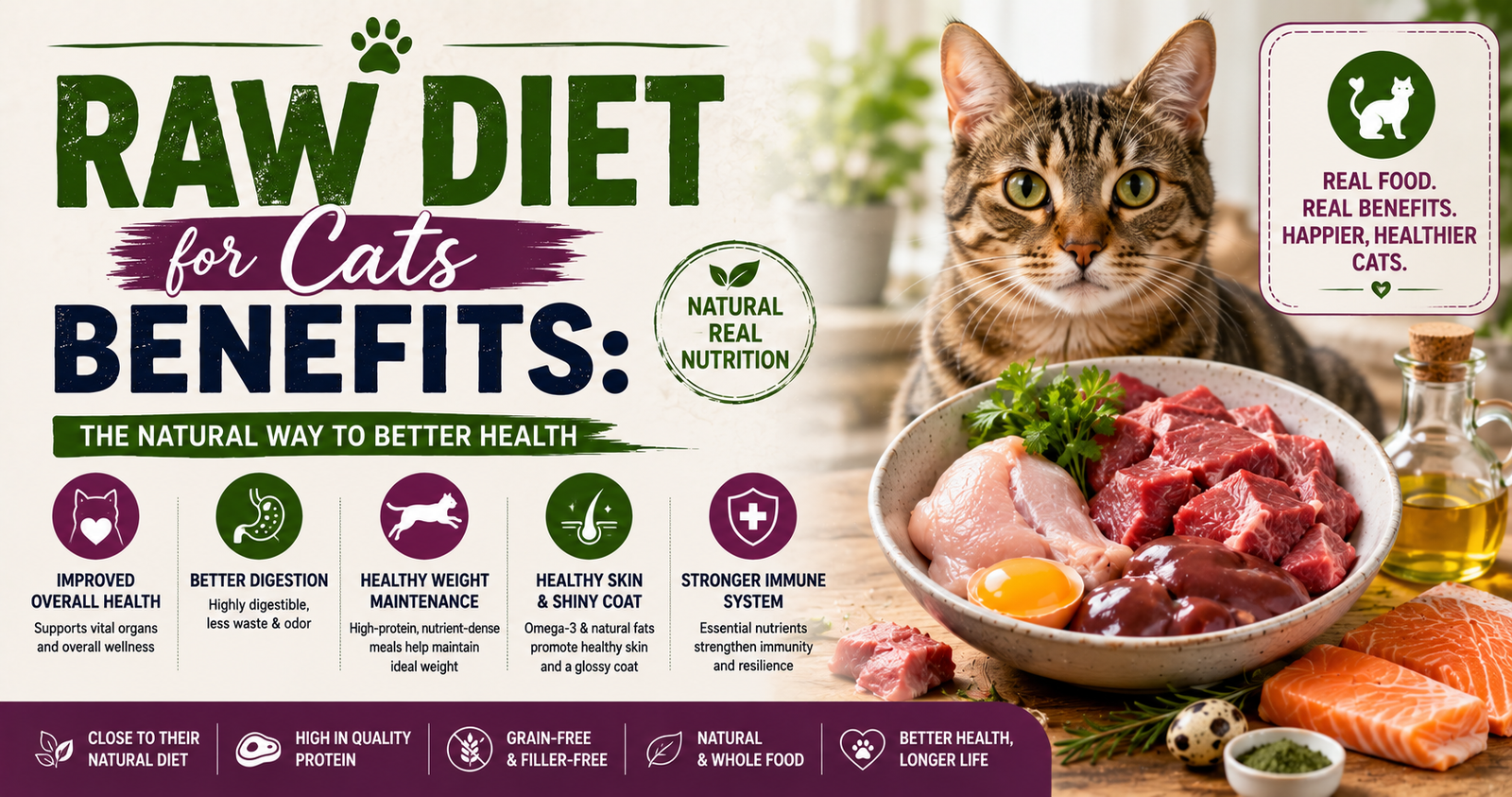
Domestic cats share over 95% of their genetic makeup with wild desert felids like the African wildcat. Because of this evolutionary heritage, cats are true obligate carnivores, meaning their digestive systems are biologically designed to thrive on raw muscle meat, organs, and bones rather than carbohydrate-heavy grains or highly processed kibble.
In recent years, cat parents have increasingly turned away from heat-processed commercial foods in favor of species-appropriate feeding. Exploring the raw diet for cats benefits reveals how transitioning to fresh, biologically suitable meals can elevate your cat’s health, energy, and longevity.
What Is a Raw Diet for Cats?
A properly formulated raw diet—often referred to as a Biologically Appropriate Raw Food (BARF) diet—mimics the natural prey diet wild felines consume raw diet for cats benefits. A balanced raw meal consists of:
- 80% Muscle Meat: Provides essential amino acids like taurine and arginine, along with moisture and protein.
- 10% Organ Meat: Delivers concentrated vitamins (A, D, B-complex) and minerals (iron, copper).
- 10% Edible Raw Bone: Supplies natural calcium and phosphorus in the exact ratios required for skeletal health.
raw diet for cats benefits require specific amino acids that their bodies cannot synthesize on their own. For instance, taurine
is an essential nutrient found predominantly in raw heart and muscle tissue that supports cardiovascular function, eyesight, and reproductive health.
6 Major Raw Diet for Cats Benefits
When implemented correctly with balanced nutrients and high sanitation standards,raw diet for cats benefits yields noticeable transformations in your cat’s physical health.
1. Superior Digestibility and Healthier Stools
Heat-processing kibble can denature proteins and destroy natural enzymes. Raw animal protein and fat are highly bioavailable to a feline’s short, acidic digestive tract. Because your cat absorbs almost every nutrient, waste is dramatically reduced. Pet parents frequently notice smaller, firmer, and virtually odorless litter box deposits within weeks of making the switch.
2. High Moisture Content for Kidney and Urinary Support
Wild cats receive up to 70% of their daily hydration directly from their prey. Dry kibble typically contains less than 10% moisture, leaving cats in a state of chronic mild dehydration because they lack a strong natural thirst drive. Raw food naturally provides 65%–75% moisture, promoting healthy kidney filtration, diluting urine, and reducing the risk of painful urinary tract infections (UTIs) or bladder stones.
3. Vibrant, Radiant Coat and Healthy Skin
Dry skin, excessive shedding, raw diet for cats benefits and persistent dandruff are common signs of poor nutrient absorption or unnecessary carbohydrate fillers. The essential omega-3 and omega-6 fatty acids found naturally in fresh, uncooked animal fats restore the skin barrier, resulting in a noticeably softer, shinier coat.
4. Natural Weight Management and Lean Muscle Maintenance
Commercial kibbles are often packed with high-glycemic starches like corn, wheat, or peas to bind the ingredients into dry pellets. Cats cannot process carbohydrates efficiently, leading to insulin spikes and weight gain. A raw diet eliminates empty starches, helping overweight cats shed excess fat while preserving lean body mass and stable energy levels.
5. Enhanced Dental Health
Chewing raw meat, connective tissue, and finely ground raw bones acts as a natural mechanical toothbrush. Tearing through raw meat scrapes plaque from teeth and massages the gums, preventing tartar buildup and reducing bad breath without synthetic additives.
6. Reduced Food Allergies and Intolerances
Many raw diet for cats benefits suffer from chronic inflammatory bowel disease (IBD), itchy skin, or frequent vomiting due to artificial preservatives, artificial dyes, or plant fillers found in commercial diets. Single-protein raw diets offer a hypoallergenic alternative that calms gut inflammation and restores digestive harmony.
Comparing Raw Feeding vs. Commercial Kibble
| Feature / Metric | Raw Diet | Dry Kibble | Canned Wet Food |
| Moisture Content | High (~70%) | Very Low (<10%) | High (75–80%) |
| Carbohydrate Content | Minimal to None (<2%) | High (30–50%) | Low to Moderate (5–15%) |
| Protein Quality | Uncooked, Bioavailable | Highly Processed | Processed / Rendered |
| Digestibility | Very High (>90%) | Moderate | Moderate to High |
| Stool Volume & Odor | Low & Odorless | High & Strong Odor | Moderate |
How to Safely Feed a Raw Diet to Your Cat
While the biological advantages are clear, safely executing a raw food regimen requires strict attention to hygiene and nutritional completeness.
Step 1: Choose Balanced Commercial Raw or Formulated Recipe
        │
        ▼
Step 2: Practice Strict Food Safety & Thawing Protocols
        │
        ▼
Step 3: Gradually Transition Over 10–14 Days
        │
        ▼
Step 4: Monitor Weight, Stool, and Overall Vitality
Essential Food Safety Measures
- Source Responsibly: Use human-grade meats or commercially prepared frozen raw diets that undergo high-pressure processing (HPP) to destroy harmful pathogens.
- Thaw Correctly: Never thaw raw meat at room temperature on the counter. Always thaw portions slowly inside your refrigerator or in cold water.
- Practice Kitchen Hygiene: Wash stainless steel feeding bowls, cutting boards, and utensils with hot, soapy water immediately after preparation.
- Discard Leftovers Promptly: Remove any unconsumed raw food from your cat’s bowl within 30 minutes to prevent bacterial growth.
For more tips on pet care, lifestyle guides, and animal health trends, explore resource hubs like thezoqo
.
Frequently Asked Questions (FAQs)
1. Is a raw diet safe for all cats?
A raw diet for cats benefits is safe for most healthy adult cats when formulated correctly. However, kittens, pregnant cats, or immunocompromised felines should only consume raw food under the direct supervision of a board-certified veterinary nutritionist to prevent nutritional imbalances or bacterial complications.
2. Aren’t cats at risk of catching Salmonella from raw meat?
A cat’s digestive tract is significantly shorter and more acidic than a human’s, allowing them to digest fresh raw meat and pass bacteria quickly before pathogens can multiply. However, practicing proper kitchen hygiene protects human family members from cross-contamination.
3. How do I transition my cat from kibble to raw food?
Transition slowly over raw diet for cats benefits 10 to 14 days. Begin by mixing 10% raw food into their current wet or dry food, gradually increasing the raw portion every couple of days while reducing the old diet until the transition is complete.
4. Can I feed my cat raw meat from the grocery store?
Plain grocery store meat is fine for temporary treats, but it lacks essential calcium, organ tissue, and taurine required for a complete diet. Feeding only grocery muscle meat long-term can lead to severe skeletal deficiencies. Always use a complete commercial raw formula or a veterinary-approved recipe.
5. How long does it take to see the benefits of a raw diet?
Digestive benefits—such as smaller, less smelly stools—often appear within 3 to 7 days. Improvements in skin hydration, coat shine, energy levels, and weight management typically manifest within 3 to 6 weeks.
Final Thoughts on Feline Raw Diets
Understanding the true raw diet for cats benefits empowers you to make informed decisions about your pet’s long-term health. By honoring your cat’s evolutionary needs with nutrient-dense, high-moisture meals, you give them the biological tools needed for a lean body, vibrant coat, and lasting vitality. Always consult your veterinarian before making major dietary changes to ensure your cat receives complete and balanced nutrition.
Merci pour le partage. Happy Shrimp — / pour la musique IA. Happy Shrimp