 By Thezoqo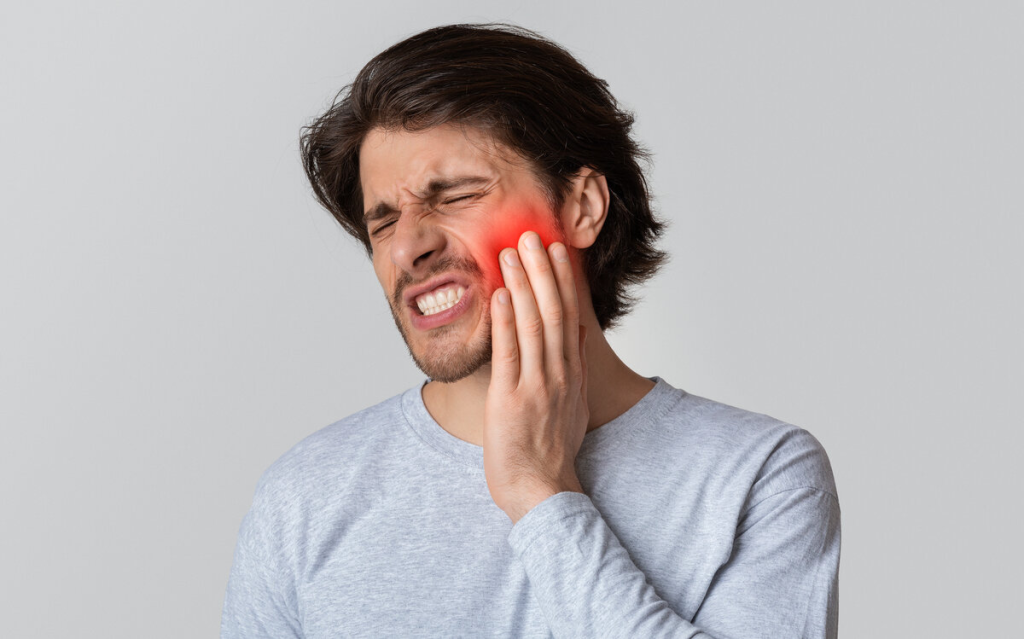
Tooth pain is one of the most uncomfortable and disruptive health issues anyone can face. Whether it’s a dull ache, sharp stabbing sensation, or constant throbbing, dental pain can interfere with eating, sleeping, and even daily productivity. If you’re suffering from tooth pain, you’re not alone—and the good news is that there are proven dental care tips that can help relieve discomfort and prevent future problems.
In this comprehensive guide, we’ll explore the causes of tooth pain, effective home remedies, professional treatments, and long-term dental care tips to keep your smile healthy and pain-free.
What Causes Tooth Pain?
Understanding the root cause of tooth pain is the first step toward effective treatment. Here are the most common reasons:
1. Tooth Decay (Cavities)
When plaque builds up on your teeth, bacteria produce acids that erode enamel, leading to cavities. This is one of the most common causes of tooth pain.
2. Gum Disease
Inflamed or infected gums can cause sensitivity, swelling, and discomfort around the teeth.
3. Tooth Sensitivity
If you feel pain when consuming hot, cold, or sweet foods, your enamel may be worn down, exposing the sensitive inner layers.
4. Cracked or Broken Teeth
A crack in your tooth can expose nerves and cause sharp pain when chewing.
5. Abscessed Tooth
A serious infection at the root of the tooth can lead to severe pain, swelling, and even fever.
6. Impacted Wisdom Teeth
When wisdom teeth don’t have enough space to emerge properly, they can cause pain and inflammation.
Signs You Shouldn’t Ignore
If you’re experiencing any of the following symptoms, it’s important to take action immediately:
- Persistent toothache
- Sensitivity to hot or cold
- Swelling in gums or face
- Bad taste in the mouth
- Fever or headache
- Pain when biting or chewing
Ignoring these signs can lead to serious dental complications.
Immediate Relief: Home Remedies for Tooth Pain
If you’re suffering from tooth pain and can’t visit a dentist immediately, these remedies can provide temporary relief:
1. Salt Water Rinse
Mix 1 teaspoon of salt in warm water and rinse your mouth. It helps reduce inflammation and kills bacteria.
2. Cold Compress
Apply a cold pack to the outside of your cheek for 15–20 minutes to reduce swelling and numb the pain.
3. Clove Oil
Clove oil has natural anesthetic properties. Apply a small amount to the affected area for relief.
4. Garlic Paste
Garlic has antibacterial properties. Crush a clove and apply it to the painful tooth.
5. Hydrogen Peroxide Rinse
Diluted hydrogen peroxide can help kill bacteria and reduce plaque.
⚠️ Note: These are temporary solutions. Always consult a dentist for permanent treatment.
Proven Dental Care Tips to Prevent Tooth Pain
Prevention is always better than cure. Follow these expert-approved dental care tips to maintain strong and healthy teeth:
1. Brush Properly Twice a Day
Brushing your teeth twice daily with fluoride toothpaste is essential.
- Use a soft-bristled toothbrush
- Brush for at least 2 minutes
- Don’t forget your tongue
2. Floss Daily
Flossing removes food particles and plaque between teeth where brushing can’t reach.
3. Use Mouthwash
An antibacterial mouthwash helps reduce plaque and keeps your breath fresh.
4. Avoid Sugary Foods and Drinks
Sugar feeds harmful bacteria, increasing the risk of cavities.
5. Stay Hydrated
Drinking water helps wash away food particles and bacteria.
6. Eat Tooth-Friendly Foods
Include these in your diet:
- Dairy products (rich in calcium)
- Crunchy fruits and vegetables
- Nuts and seeds
7. Replace Your Toothbrush Regularly
Change your toothbrush every 3–4 months or sooner if bristles are worn out.
8. Visit Your Dentist Regularly
Regular dental check-ups can detect problems early before they become serious.
Professional Treatments for Tooth Pain
If home remedies don’t work, professional dental care is necessary. Here are common treatments:
1. Fillings
Used to treat cavities by restoring the damaged tooth.
2. Root Canal Treatment
If the tooth pulp is infected, a root canal removes the infection and saves the tooth.
3. Tooth Extraction
In severe cases, removing the tooth may be necessary.
4. Dental Crowns
Used to cover and protect damaged teeth.
5. Gum Treatment
Deep cleaning procedures can treat gum disease.
Natural Ways to Strengthen Your Teeth
If you’re serious about preventing tooth pain, focus on strengthening your teeth naturally:
1. Oil Pulling
Swishing coconut oil in your mouth can reduce bacteria and improve oral health.
2. Increase Calcium Intake
Calcium strengthens enamel and bones.
3. Vitamin D
Helps your body absorb calcium effectively.
4. Green Tea
Contains antioxidants that fight bacteria and inflammation.

Common Mistakes That Worsen Tooth Pain
Avoid these habits if you’re suffering from tooth pain:
- Brushing too hard
- Ignoring minor pain
- Using teeth as tools
- Skipping dental visits
- Smoking or tobacco use
When to See a Dentist Immediately
Seek professional help if you experience:
- Severe or persistent pain
- Swelling in face or jaw
- Difficulty opening your mouth
- Signs of infection (fever, pus)
Delaying treatment can worsen the condition and lead to complications.
Best Oral Hygiene Routine (Daily Plan)
Follow this simple routine for optimal dental health:
Morning:
- Brush teeth (2 minutes)
- Use mouthwash
After Meals:
- Rinse mouth with water
Night:
- Brush and floss
- Avoid eating after brushing
Tooth Pain in Children: What Parents Should Know
Children are also prone to dental issues. Common causes include:
- Excess sugar intake
- Poor brushing habits
- Teething pain
Tips for Parents:
- Teach proper brushing technique
- Limit sugary snacks
- Schedule regular dental check-ups
Tooth Pain and Overall Health
Oral health is directly connected to overall health. Poor dental hygiene can lead to:
- Heart disease
- Diabetes complications
- Respiratory infections
Taking care of your teeth is not just about your smile—it’s about your entire body.
Advanced Dental Care Tips for Long-Term Protection
If you want to go beyond basic care, consider these advanced strategies:
1. Use an Electric Toothbrush
More effective in removing plaque than manual brushing.
2. Fluoride Treatments
Strengthen enamel and prevent decay.
3. Dental Sealants
Protect teeth from cavities, especially in children.
4. Orthodontic Care
Straight teeth are easier to clean and maintain.
Diet Plan for Healthy Teeth
Foods to Eat:
- Milk, cheese, yogurt
- Leafy greens
- Apples and carrots
Foods to Avoid:
- Sugary drinks
- Sticky candies
- Acidic foods
Myths About Tooth Pain
Let’s clear up some common misconceptions:
Myth 1: Tooth pain will go away on its own
👉 Reality: It usually gets worse without treatment
Myth 2: Brushing harder cleans better
👉 Reality: It can damage enamel
Myth 3: Sugar is the only cause of cavities
👉 Reality: Poor hygiene also plays a major role
Conclusion
If you’re suffering from tooth pain, don’t ignore it. While home remedies can provide temporary relief, proper dental care and professional treatment are essential for long-term health.
By following these proven dental care tips, you can not only relieve pain but also prevent future dental problems. A healthy smile starts with consistent care, smart habits, and regular check-ups.
Frequently Asked Questions (FAQs) – Suffering from Tooth Pain
1. What is the main cause of tooth pain?
The most common cause of tooth pain is tooth decay (cavities). Other causes include gum disease, tooth infection, sensitivity, or a cracked tooth.
2. What is the fastest way to relieve tooth pain at home?
You can try these quick remedies:
- Rinse with warm salt water
- Apply a cold compress
- Use clove oil
- Take over-the-counter pain relief
These provide temporary relief until you see a dentist.
3. When should I see a dentist for tooth pain?
You should visit a dentist if:
- Pain lasts more than 1–2 days
- There is swelling or fever
- You feel severe or sharp pain
- There is bleeding or pus
4. Can tooth pain go away on its own?
Sometimes mild pain may go away, but it usually indicates an underlying problem that can worsen without treatment.
5. Is tooth pain a sign of infection?
Yes, especially if accompanied by swelling, fever, or a bad taste in your mouth. This could indicate an abscess, which needs immediate care.
6. What foods should I avoid if I have tooth pain?
Avoid:
- Sugary foods and drinks
- Very hot or cold foods
- Hard or crunchy items
- Acidic foods like citrus
7. How can I prevent tooth pain in the future?
- Brush twice daily
- Floss regularly
- Limit sugar intake
- Visit your dentist every 6 months
- Use fluoride toothpaste
8. Does brushing help reduce tooth pain?
Yes, gentle brushing can remove plaque and bacteria, but brushing too hard may worsen the pain.
9. Can stress cause tooth pain?
Yes, stress can lead to teeth grinding (bruxism), which may cause tooth pain and jaw discomfort.
10. Is it safe to take painkillers for tooth pain?
Over-the-counter painkillers can help temporarily, but they do not treat the root cause. Always consult a dentist for proper treatment.
11. Why does tooth pain get worse at night?
Pain may feel worse at night due to increased blood flow to the head when lying down and fewer distractions.
12. Can a cracked tooth heal on its own?
No, a cracked tooth does not heal naturally and requires dental treatment to prevent further damage.
13. What is the best toothpaste for sensitive teeth?
Desensitizing toothpaste with fluoride is best for reducing sensitivity and protecting enamel.
14. Can children also suffer from tooth pain?
Yes, children can experience tooth pain due to cavities, teething, or poor oral hygiene.
15. How long does tooth pain last?
It depends on the cause. Temporary irritation may last a few hours, but untreated issues can persist or worsen over time.
I do agree with all the ideas you’ve presented in your post. They’re very convincing and will definitely work. Still, the posts are too short for novices. Could you please extend them a little from next time? Thanks for the post.
Hi, Neat post. There is a problem with your site in internet explorer, would check this… IE still is the market leader and a large portion of people will miss your excellent writing because of this problem.
I as well as my pals were actually checking out the best guides on the blog while at once came up with an awful suspicion I never thanked the blog owner for those strategies. The women appeared to be as a consequence stimulated to learn them and now have very much been loving those things. Appreciation for truly being indeed considerate and then for getting certain ideal areas millions of individuals are really eager to learn about. My honest apologies for not expressing gratitude to earlier.
You must participate in a contest for the most effective blogs on the web. I will suggest this web site!
I always was interested in this subject and still am, thankyou for posting.
Thanks for any other informative site. Where else may just I am getting that type of information written in such an ideal method? I have a undertaking that I’m just now operating on, and I have been at the glance out for such information.
Some really nice and utilitarian information on this website , likewise I believe the design contains wonderful features.