 By Thezoqo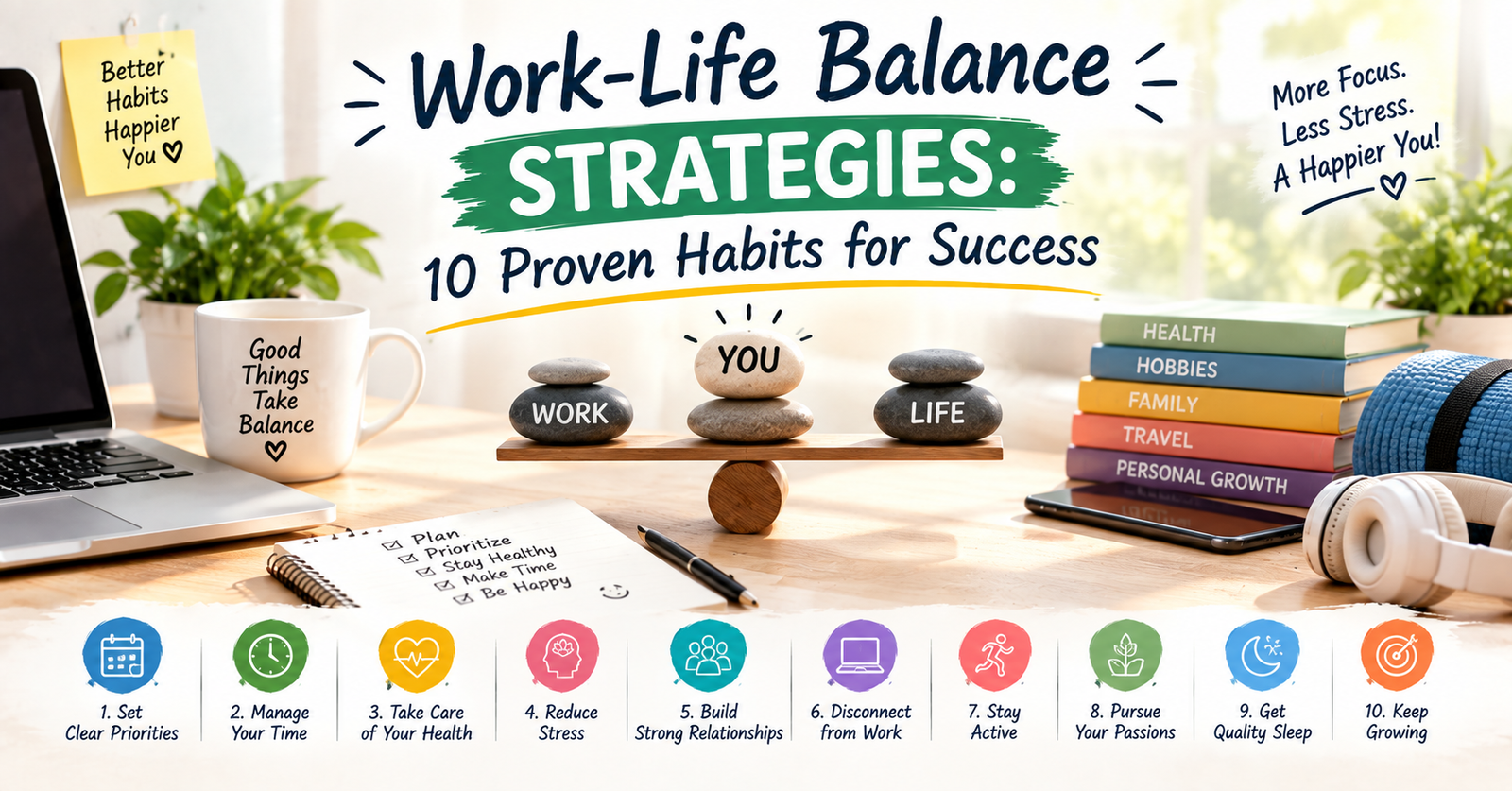
In an increasingly connected digital world, achieving a sustainable equilibrium between professional responsibilities and personal life has become one of the greatest challenges of modern adulthood. Remote work models, flexible schedules, and constant smartphone connectivity have blurred the traditional boundaries separating the workplace from the home. As a result, millions of professionals actively search for effective work-life balance strategies to regain control over their time, protect their mental health, and avoid chronic burnout.
Work-life balance is not about splitting every 24-hour day into equal halves between office tasks and personal leisure. Instead, it is a dynamic process of managing energy, establishing boundaries, prioritizing meaningful goals, and maintaining physical and emotional resilience.
This comprehensive guide explores actionable, evidence-based work-life balance strategies designed to help you thrive in your career without sacrificing your health, relationships, or personal fulfillment.
The True Meaning of Work-Life Balance
Before implementing specific habits, it is important to clarify what work-life balance actually looks like in practice. It does not imply a static state where everything remains perfectly peaceful at all times. High-priority deadlines, family milestones, and personal health needs naturally shift your focus from week to week.
[ Career & Ambition ] ◄─── (Energy Management) ───► [ Health & Personal Life ]
│
▼
[ Dynamic Balance & Boundaries ]
Real balance involves establishing a supportive framework that allows you to give concentrated attention to your professional responsibilities when needed, while leaving sufficient time, cognitive energy, and physical presence for your personal life.
According to research detailed on Wikipedia, the concept of balancing work and home demands gained significant cultural attention during the late 20th century, evolving from a focus on working mothers to a universal workplace goal for all demographic groups. Modern research highlights that poor balance correlates with elevated stress, lower job satisfaction, higher turnover, and increased risk for cardiovascular and mental health conditions.
The Physical and Mental Impact of Imbalance
Failing to establish clear boundaries between work and personal life can lead to severe long-term consequences. Understanding these risks highlights why adopting effective work-life balance strategies is essential:
- Chronic Stress and Burnout: Prolonged exposure to workplace stress elevates cortisol levels, leading to emotional exhaustion, irritability, and cognitive fatigue.
- Diminished Physical Health: Sedentary work, irregular sleep patterns, skipped meals, and constant stress increase the risk of hypertension, weight gain, and compromised immune function.
- Strained Personal Relationships: When professional stress drains your emotional reserves, you have less energy to engage meaningfully with family, friends, and community.
- Decreased Long-Term Productivity: Overworking creates diminishing returns. Working long hours without adequate recovery leads to increased errors, slower processing speeds, and reduced creative problem-solving capabilities.
Top 10 Work-Life Balance Strategies for Modern Professionals
Implementing a balanced lifestyle requires intentional habits. Here are ten practical strategies to restructure your workday and protect your personal time.
10 WORK-LIFE BALANCE STRATEGIES
1. Define Clear Non-Negotiable Boundaries
2. Prioritize Energy Over Hours
3. Learn the Art of Saying No
4. Create End-of-Day Shutdown Rituals
5. Delegate and Outsource Tasks
6. Practice Time Blocking
7. Leverage Technology Wisely
8. Protect Physical Health
9. Nurture Hobbies & Interests
10. Communicate Expectations Early
1. Define Clear Non-Negotiable Boundaries
Boundaries form the foundation of any healthy routine. Without explicit lines separating your professional availability from your personal time, work will naturally expand to fill every available hour.
- Set Specific Working Hours: Define explicit start and end times for your workday, especially if you work remotely. Communicate these hours to colleagues, clients, and managers.
- Establish Physical Workspaces: If working from home, designate a specific room or desk for professional tasks. Stepping away from this space signals to your brain that the workday is complete.
- Disable After-Hours Notifications: Turn off work email, messaging apps, and calendar alerts on your personal devices outside of your established office hours.
2. Prioritize Energy Over Hours
Traditional time management focuses on managing hours, but energy management determines how effectively you use those hours. High productivity stems from working in alignment with your natural biological rhythms.
- Identify Peak Performance Windows: Determine whether you are most alert in the early morning or mid-afternoon. Reserve these peak focus windows for complex, high-value projects.
- Schedule Regular Rest Intervals: Use structured focus methods like the Pomodoro Technique (working for 25 to 50 minutes followed by a short break) to refresh your attention throughout the day.
- Avoid Constant Multitasking: Context switching between emails, phone calls, and deep project work drains cognitive reserves and accelerates mental fatigue.
3. Learn the Art of Saying No
One of the most effective work-life balance strategies is learning to decline commitments that do not align with your core priorities. Saying yes to every task guarantees overextension.
- Evaluate Opportunity Costs: Every time you accept a new professional commitment, you implicitly say no to something else—whether that is exercise, family time, or adequate sleep.
- Use Polite, Clear Language: You can decline requests professionally without burning bridges. Try phrases like: “Thank you for thinking of me, but my current bandwidth is fully committed to project deliverables.”
- Offer Alternatives: If appropriate, suggest alternative timelines or delegate the task to a colleague better positioned to handle it.
4. Create End-of-Day Shutdown Rituals
Transitioning from work mode to personal mode requires a deliberate signal. A structured end-of-day shutdown routine helps clear your mind and prevents work anxiety from lingering into the evening.
- Review Your Daily Progress: Spend five minutes checking off completed tasks to build a sense of achievement.
- Plan Tomorrow’s Top Priorities: Write down the three main tasks you need to accomplish the next day. This clears mental chatter and reduces evening worrying.
- Close Work Applications: Shut down your computer, close all browser tabs, and clean your desk area to mark a definitive end to the working period.
5. Delegate and Outsource Tasks
Attempting to handle every detail yourself creates unnecessary friction. Delegating responsibilities at work and outsourcing routine chores at home frees up precious hours for rest and meaningful pursuits.
- Delegate at the Office: Empower team members by assigning tasks that match their strengths. Provide clear instructions and step back rather than micromanaging.
- Outsource Domestic Chores: If your budget allows, consider hiring assistance for meal preparation, deep cleaning, or yard maintenance to reclaim weekend hours for family and personal interests.
6. Practice Time Blocking
Unstructured schedules encourage procrastination and unfocused work. Time blocking involves dividing your day into specific blocks reserved exclusively for designated activities.
- Block Deep Work Sessions: Reserve 90-minute blocks for high-concentration tasks, keeping your calendar free from meetings during these times.
- Batch Administrative Tasks: Group small routine tasks—such as responding to emails, checking slack messages, or organizing files—into one or two specific daily time slots.
- Schedule Personal Commitments: Block off time on your calendar for exercise, family dinners, hobbies, and downtime just as you would for high-stakes client meetings.
For deeper insights into productivity frameworks, remote work adjustments, and wellness tips, visit The Zoqo for additional guidance.
7. Leverage Technology Wisely
Technology can either enable flexibility or create constant disruption, depending on how deliberately you use it.
- Use Focus Modes: Utilize smartphone features that mute non-essential apps and contacts during family hours and sleep windows.
- Automate Repetitive Processes: Implement software tools, email templates, and automated workflows to reduce the time spent on manual administrative tasks.
- Conduct Digital Detoxes: Designate regular windows—such as weekend mornings or evening hours—to disconnect completely from screens and social media platforms.
8. Protect Physical Health
A balanced life is unsustainable without physical health. Regular exercise, balanced nutrition, and restorative sleep directly enhance mood, mental clarity, and resilience.
- Prioritize Sleep Hygiene: Aim for 7 to 9 hours of quality sleep each night. Maintain a consistent sleep schedule and keep screens out of the bedroom.
- Incorporate Daily Movement: Engage in at least 30 minutes of physical activity daily, whether through structured workouts, brisk walking, or yoga.
- Nourish Your Body: Eat balanced meals rich in whole foods, stay hydrated throughout the day, and limit reliance on excessive caffeine or sugar spikes.
9. Nurture Hobbies and Personal Interests
Having engaging pursuits outside of work provides a sense of identity that isn’t tied exclusively to professional output.
- Explore Creative Outlets: Engage in activities like cooking, painting, gardening, writing, or learning a musical instrument to stimulate different parts of your brain.
- Participate in Sports or Outdoor Activities: Outdoor recreation, hiking, or team sports offer physical exertion combined with stress relief and exposure to nature.
- Dedicate Time to Social Connections: Invest energy into maintaining friendships, family relationships, and community groups that provide emotional fulfillment.
10. Communicate Expectations Early
Clear communication prevents misunderstandings with both employers and family members. Setting expectations proactively protects your time before conflicts arise.
- Align with Managers: Have open conversations with your supervisor regarding performance metrics, core hours, and realistic workload limits.
- Discuss Household Division of Labor: Communicate openly with your partner or family members about shared domestic responsibilities to ensure equitable task distribution.
- Update Clients Proactively: Inform clients about your turnaround times, working hours, and emergency protocols so they know what to expect.
Overcoming Obstacles to Work-Life Balance
Even with structured work-life balance strategies, challenges will arise. Here is how to handle common roadblocks:
[ Imposter Syndrome ] ──> Focus on impact & output, not hours logged.
[ Overwhelming Demands ] ──> Audit tasks; eliminate or negotiate deadlines.
[ Remote Isolation ] ──> Separate workspace from living area; schedule social breaks.
- Overcoming Guilt: Many professionals feel guilty when stepping away from work. Remind yourself that rest is a prerequisite for sustained high performance, not a reward for burnout.
- Navigating High-Pressure Seasons: During crunch periods or major launches, temporary imbalance is normal. Counterbalance high-stress periods by scheduling dedicated time off immediately following project completion.
- Dealing with Toxic Work Cultures: If your workplace consistently rewards presenteeism, demands 24/7 availability, and ignores personal boundaries, it may be time to update your resume and search for an organization that values employee well-being.
Frequently Asked Questions
What is the first step to improving work-life balance?
The first step is conducting an honest time audit. Track how you spend every hour of your week for 7 days. Identifying where time is lost to unproductive meetings, mindless scrolling, or unnecessary tasks provides the clarity needed to make meaningful adjustments.
How can remote workers separate work from home life?
Remote workers should create dedicated physical boundaries (a designated office space or desk) and clear temporal boundaries (a set start/end time, changing out of work clothes, and closing work applications at the end of the day).
Can you maintain work-life balance while advancing your career?
Yes. Career advancement depends on high-value output, strategic thinking, and strong performance—not working long hours. Establishing strong boundaries prevents burnout and keeps your creative problem-solving skills sharp.
Final Thoughts
Mastering work-life balance strategies is an ongoing journey rather than a one-time fix. It requires regular self-reflection, clear communication, and the courage to set firm boundaries around your time and mental energy.
By prioritizing energy management, learning to say no, creating structured shutdown routines, and protecting your health, you can build a fulfilling professional life alongside a rich, restorative personal life. Start small—select two or three strategies from this guide to implement this week, and build sustainable habits over time!