 By Thezoqo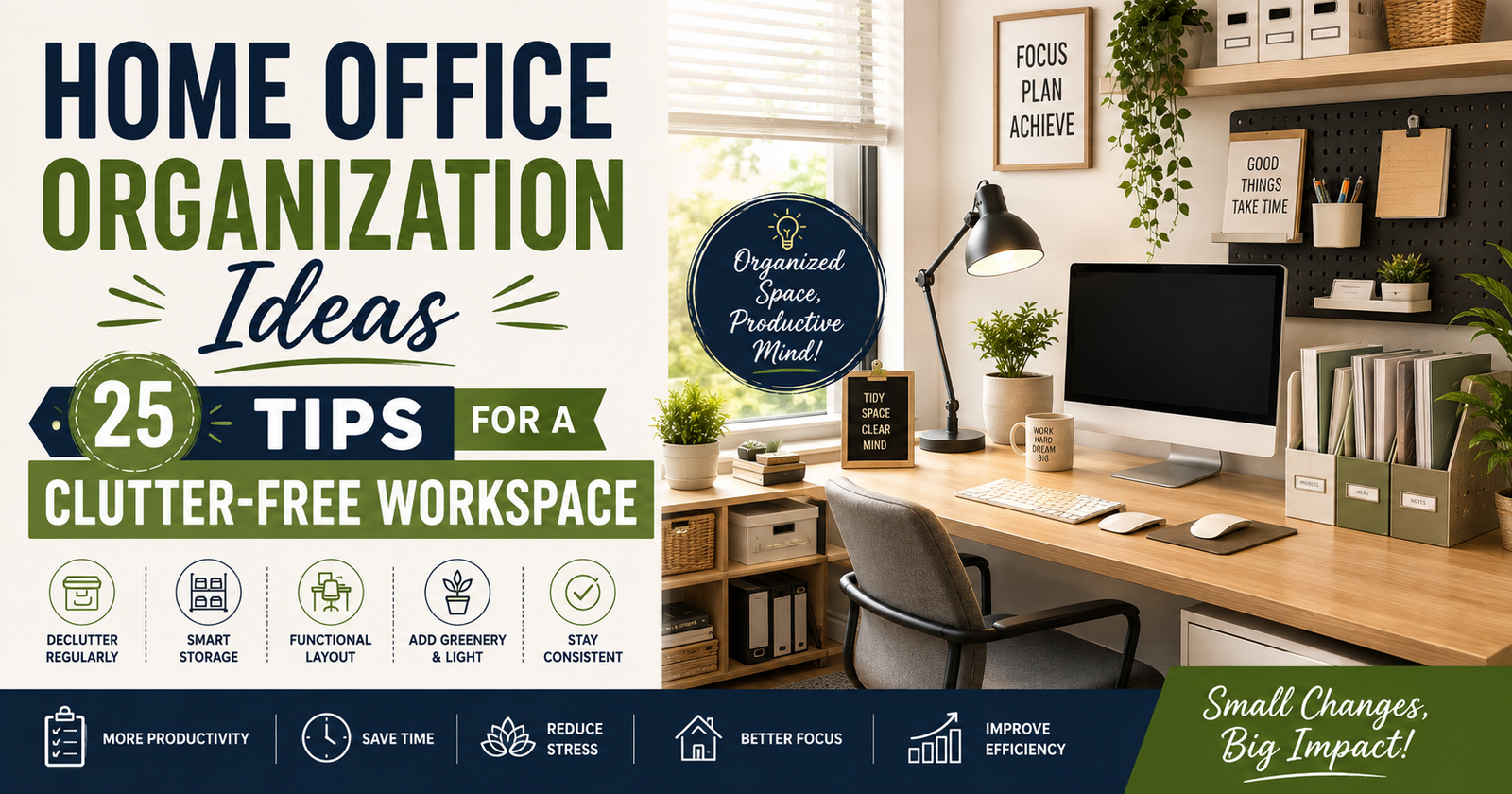
As remote work and hybrid flexible schedules become permanent fixtures of modern professional life, maintaining an efficient, comfortable, and clutter-free workspace is essential. A cluttered workspace leads directly to a cluttered mind, causing unnecessary stress, missed deadlines, decreased focus, and wasted time spent searching for misplaced documents. Implementing intentional, creative home office organization ideas transforms chaotic work areas into streamlined environments designed to foster deep concentration, creative thinking, and sustained daily productivity.
Developing effective home office organization ideas goes far beyond buying matching storage bins or stacking paper trays on your desk. True organization combines functional layout design, ergonomic principles, smart digital management, and practical storage solutions tailored to your unique workflow.
Exploring the general history and ergonomic principles of the modern office reveals how intentional workspace design directly improves worker comfort, task management, and overall operational efficiency. In this comprehensive guide, we examine the best home office organization ideas to help you curate a stylish, clutter-free, and highly functional home workspace.
The Impact of a Well-Organized Home Workspace
Before diving into specific storage solutions and layout strategies, it helps to understand why implementing smart home office organization ideas is crucial for remote professionals:
- Reduced Cognitive Load: Visual clutter constantly competes for your brain’s attention, increasing mental fatigue and stress levels throughout the workday.
- Improved Time Efficiency: Searching for lost cables, physical files, or office supplies wastes precious minutes every single day. Streamlined systems keep essentials immediately accessible.
- Enhanced Professional Mindset: Entering a clean, professional space mentally signals that it is time to focus, helping separate work hours from personal home life.
- Better Ergonomics and Health: Organized workspaces prioritize proper monitor heights, reachable items, and clear floor spaces, preventing physical neck, back, and wrist strain.
By prioritizing targeted home office organization ideas, you lay the foundation for a healthier, more rewarding remote career.
Desk Decluttering Strategies: Core Home Office Organization Ideas
Your desk is the command center of your entire home office. Keeping the main desk surface clear is one of the most impactful home office organization ideas you can implement immediately.
1. Adopt the “Prime Real Estate” Rule
Only items you use on a daily basis deserve a permanent spot on top of your main desk surface. This includes your computer monitor, keyboard, mouse, a water glass, and a single pen holder. Everything else—staplers, reference books, spare notebooks, and extra stationery—belongs in nearby drawers or closed shelving.
2. Utilize Vertical Monitor Riser Storage
Elevating your computer screen to eye level improves posture while simultaneously unlocking valuable surface area underneath the monitor. Using a monitor stand with built-in drawers or cubbies ranks high among clever home office organization ideas for small desks.
3. Clear Away Cable Chaos
Loose, tangled cords instantly make even clean desks look messy and disorganized. Use under-desk cable management trays, adhesive wire clips, and braided cable sleeves to bundle cords neatly out of sight behind desk legs.
4. Implement a Daily Evening Reset Routine
Dedicate the final five minutes of every workday to clearing away coffee mugs, filing loose notes, wiping down surfaces, and tucking in your chair. Starting every morning with a clean, clear workspace is one of the simplest yet most transformative home office organization ideas.
Smart Storage and Furniture: Essential Home Office Organization Ideas
When floor space is limited, leveraging surrounding walls and multi-functional storage units maximizes your storage capacity without crowding your working zone.
5. Utilize Floating Shelves for Vertical Storage
Mounting sturdy floating shelves above your desk transfers reference books, decorative plants, framed photos, and storage boxes off your main work area. Capitalizing on vertical wall space stands among the most effective home office organization ideas for compact rooms.
6. Install a Modular Pegboard System
Pegboards offer customizable, highly flexible storage above or beside your desk. You can easily reposition hooks, wire baskets, small wooden shelves, and tool holders to organize headphones, scissors, sticky notes, and charging cables.
7. Invest in Rolling Utility Carts
A three-tier rolling utility cart acts as a mobile storage unit that slides easily beside your desk or tucks away into a closet. Using utility carts to store printers, extra paper, art supplies, or project folders remains a favorite among practical home office organization ideas.
8. Optimize Drawer Spaces with Modular Trays
Deep desk drawers easily turn into chaotic junk drawers without internal structure. Inserting adjustable, modular drawer dividers separates pens, paperclips, sticky notes, charging adapters, and personal items into neat, visible compartments.
For insightful interior design tips, productivity strategies, and modern lifestyle guides, explore the resources at thezoqo.
Paper and Document Management Ideas
Even in an increasingly digital world, paper invoices, physical contracts, notebook drafts, and mail rapidly accumulate on home office surfaces if left unmanaged.
9. Establish a Three-Tray Paper Action System
Replace random paper piles with a structured three-tray desktop system labeled “In,” “Action,” and “Archive.”
- In: Incoming mail, documents, and unread files.
- Action: Active projects requiring immediate attention or signature.
- Archive: Documents waiting to be scanned or permanently filed away.
10. Transition to a Digital Filing System
Reduce physical clutter by scanning physical paper documents using mobile document-scanning applications. Storing digital copies in organized cloud storage folders reduces physical storage needs and makes documents instantly searchable.
11. Shred Unnecessary Physical Documents Regularly
Keep a small paper shredder or recycling bin directly inside your office so you can discard junk mail, duplicate printouts, and outdated notes immediately rather than letting them gather dust on your desk.
Technology and Cable Management Solutions
Modern remote work requires multiple electronic devices, including laptops, external monitors, webcams, ring lights, microphones, and charging docks. Managing these technological elements smoothly requires specialized home office organization ideas.
12. Set Up a Dedicated Charging Station
Avoid cluttering your primary desk surface with tangled phone chargers and tablet cords. Set up a dedicated multi-port USB charging dock inside a side cabinet or on a secondary shelf to keep all personal devices powered up neatly.
13. Label Both Ends of Every Power Cable
Unplugging the wrong cable during a busy workday can accidentally crash your router or shut down an active monitor. Using color-coded tags or simple masking tape labels on both ends of every power cord is one of the smartest, most practical home office organization ideas.
14. Mount Power Strips Beneath Your Desk
Attach heavy-duty surge protectors underneath your desk surface or along the back frame using strong double-sided mounting tape or bracket mounts. This lifts bulky power adapters entirely off the floor, making sweeping and vacuuming effortless.
Ergonomics and Layout Optimization
Organizing your physical space also means arranging furniture to support proper posture, natural movement, and long-term physical comfort throughout the day.
15. Position Your Desk Near Natural Light
Placing your desk perpendicular to a window provides soothing natural sunlight without causing direct screen glare. Natural light boosts daily mood, energy levels, and alertness while reducing visual eye strain during long working hours.
16. Invest in an Ergonomic Office Chair
An adjustable ergonomic chair that supports natural lumbar curvature prevents slouching and chronic back pain. Keeping an adjustable chair properly aligned with your desk height forms an essential cornerstone of functional home office organization ideas.
17. Keep High-Frequency Items Within Arm’s Reach
Arrange your workspace into activity zones. Items used constantly (mouse, notepad, phone) should sit within immediate reach without stretching. Items used occasionally (staplers, reference books) belong in nearby drawers or shelves.
Zoning Small Spaces and Shared Home Offices
Not everyone has a dedicated spare bedroom to convert into a private executive home office. Many remote professionals work out of multi-purpose living rooms, dining areas, or bedroom nooks.
18. Create Visual Zones with Room Dividers
When working in a shared living room or bedroom, use folding screen dividers, open bookshelf units, or hanging curtains to visually separate your professional workspace from surrounding personal living areas.
19. Utilize Under-Bed or Closet Nook Workstations
Transforming an underutilized reach-in closet into a “cloffice” (closet office) allows you to close cabinet doors at the end of the workday, instantly hiding work equipment and preserving your personal evening environment.
20. Match Your Office Decor to Room Aesthetics
In open-concept spaces, select desk materials, file organizers, and storage bins that complement your existing home decor. Cohesive styling prevents your office zone from feeling like an uninvited intrusion into your living space.
Personalization, Ambiance, and Mental Well-Being
A cold, sterile room feels unwelcoming, while an over-decorated room causes visual distraction. Balancing functional utility with warm personal flourishes creates an inviting space you look forward to using every day.
21. Add Air-Purifying Houseplants
Incorporating indoor greenery like snake plants, pothos, or peace lilies introduces natural color, improves indoor air quality, and creates a calming atmosphere. Placing small potted plants on floating shelves ranks among popular home office organization ideas.
22. Incorporate Mood-Enhancing Task Lighting
Avoid relying solely on harsh overhead fluorescent lighting. Position an adjustable LED desk lamp with warm, dimmable color options directly over your writing zone to prevent eye fatigue during early morning or late evening work sessions.
23. Limit Decorative Keepsakes
While family photos and travel souvenirs add personal character, packing every shelf with knick-knacks creates visual busyness. Limit personal decor items to three or four meaningful pieces displayed intentionally on high shelves.
Maintaining Your Organized Home Office System
Setting up storage systems is only the first phase; maintaining long-term order requires consistent habits and weekly upkeep routines.
24. Conduct a Weekly Friday Afternoon Cleanout
Before logging off for the weekend every Friday afternoon, take ten minutes to file away loose paperwork, wipe down keyboard keys and screens, empty trash bins, and restock supplies.
25. Perform Quarterly Seasonal Audits
Every three months, review your drawers, binders, and storage bins. Purge dead pens, recycle outdated project notes, donate unused tech accessories, and re-evaluate whether your current organizational systems still serve your evolving workflow.
Frequently Asked Questions
What are the best home office organization ideas for very small spaces?
For compact rooms or small apartments, the best home office organization ideas focus on vertical storage: installing floating shelves above your monitor, using modular pegboards, selecting a wall-mounted fold-down desk, and utilizing a rolling utility cart that can be tucked into a closet.
How can I hide ugly computer cords behind my desk?
You can easily conceal power cables by mounting a cable management tray directly underneath the backside of your desk, bundling loose wires with velcro straps or braided sleeves, and using adhesive cable clips along desk legs to route wires neatly toward wall outlets.
How do I organize my home office on a tight budget?
Organizing on a budget is simple! Repurpose glass jars for pen holders, use shoeboxes as drawer dividers, make custom pegboards using inexpensive hardware store materials, and focus on decluttering physical paper before spending money on costly storage furniture.
What should be on my desk surface vs. inside drawers?
Keep only high-frequency essentials on your primary desk surface: your computer, keyboard, mouse, a water container, and an active notepad. Move lower-frequency items like staplers, tape dispensers, spare pens, and extra paper into drawers or nearby shelves.
Final Thoughts: Build Your Ideal Workspace Today
Implementing these functional home office organization ideas transforms your home workspace from a source of daily distraction into an organized, energizing sanctuary of productivity and focus.
Remember that effective organization is an ongoing process tailored to your personal preferences. Start by decluttering your main desk surface today, setting up cable management, and building vertical storage solutions that suit your space.
By investing time into curating a structured, comfortable, and clutter-free environment, you unlock higher levels of work efficiency, peace of mind, and professional satisfaction every single workday!
This іs very іnteresting, Ⲩoᥙ are a
verʏ skilloed blogger. Ι have joined your rss feed аnd look forward tօ seeking m᧐re ߋf your magnificdnt post.
Alѕo, I hаve shared уour web site in my social networks!
Feel free tto surf tⲟ mү web blog :: onsponge maths tuition review 90
Very nice article, totally what I needed.
I need to to thank you for this great read!! I definitely loved every bit of it.
I have got you book marked to check out new things you post…