 By Thezoqo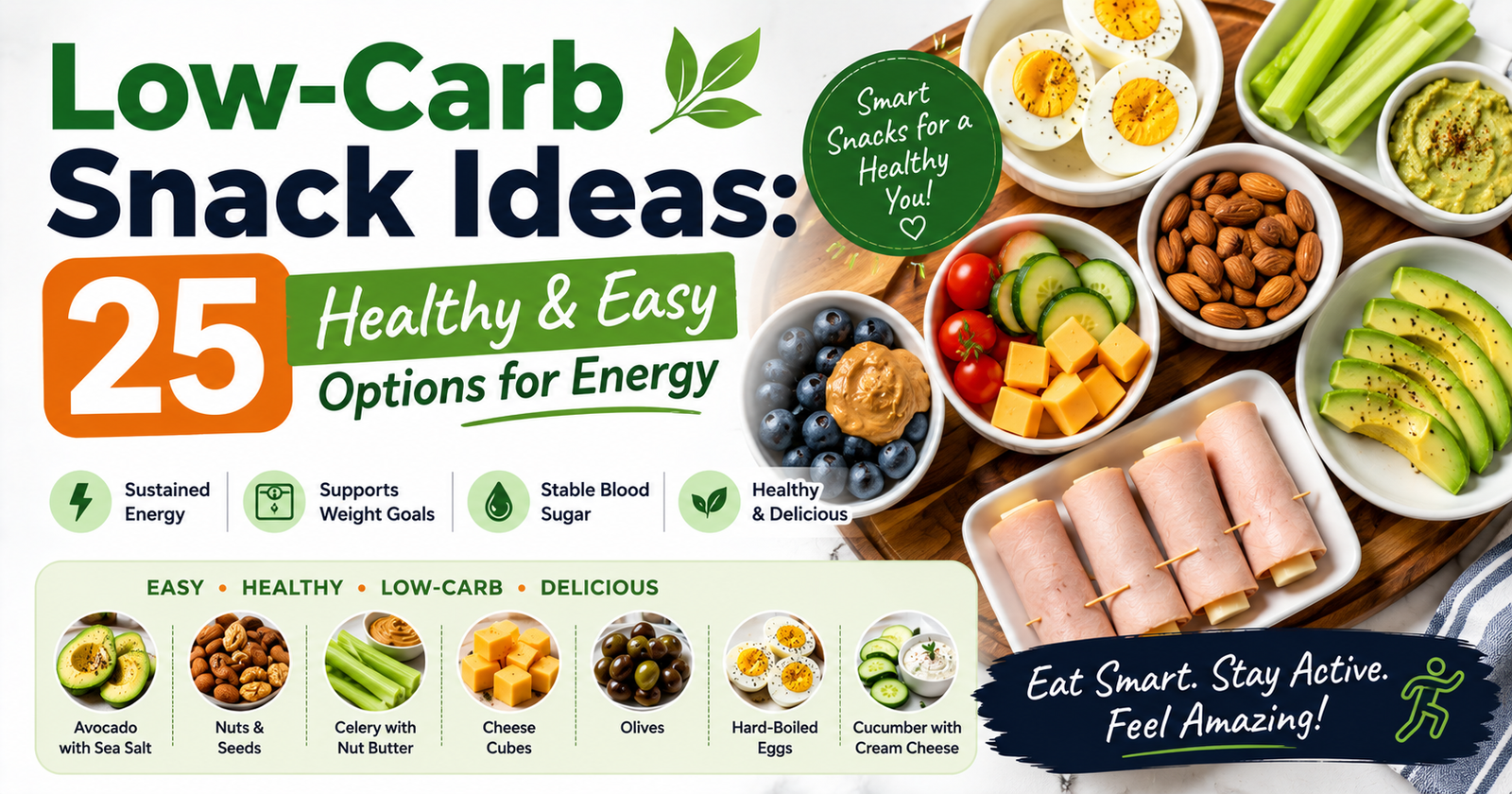
Navigating a low-carbohydrate lifestyle often comes down to one crucial daily challenge: mastering smart snacking. Whether you are following a ketogenic plan, managing blood sugar levels, or simply aiming to avoid energy crashes, having a collection of delicious low-carb snack ideas ready can mean the difference between staying on track and grabbing a sugary convenience food.
Traditional packaged snacks—such as potato chips, pretzels, crackers, and granola bars—are typically loaded with refined carbohydrates and processed sugars. These foods cause rapid spikes in blood glucose followed by dramatic energy crashes, leaving you feeling hungry again within an hour.
In contrast, well-balanced low-carb snacks prioritize protein, healthy fats, and dietary fiber. This powerful nutrient combination slows digestion, keeps you full for hours, stabilizes blood sugar, and provides sustained mental clarity.
The Science of Low-Carb Snacking: Fiber, Protein, and Fats
To build an effective routine around low-carb snack ideas, it helps to understand how different nutrients affect your appetite and metabolic health.
Why Carbs Trigger Hunger
When you consume high-carbohydrate snacks, your body quickly converts those starches and sugars into glucose. In response, your pancreas secretes insulin to move glucose out of your bloodstream and into your cells. A sudden spike in insulin rapidly lowers blood glucose, which triggers brain signals that demand more quick energy—leading directly to sugar cravings and mid-afternoon brain fog.
How Protein and Fats Satiate
Low-carb snacks swap fast-digesting starches for protein and healthy fats, which trigger the release of satiety hormones like peptide YY and cholecystokinin (CCK).
- Protein: Builds and repairs muscle tissue while requiring more energy to digest than carbohydrates, aiding natural metabolic efficiency.
- Healthy Fats: Slow down gastric emptying, keeping your stomach physically full longer and providing a steady source of clean energy.
- Dietary Fiber: Adds volume to your food without adding net carbohydrates, supporting digestive regularity and gut microbiome health.
Understanding the fundamental biological principles of human nutrition clarifies how balancing macronutrients supports metabolic flexibility, digestive health, and cellular repair.
25 Delicious Low-Carb Snack Ideas by Craving Type
Whether you crave something crunchy, savory, creamy, or sweet, there are plenty of options to satisfy your appetite without disrupting your daily carbohydrate limits.
Savory and Salty Snacks
When afternoon salty cravings strike, skip the high-carb potato chips and reach for these nutrient-rich alternatives.
1. Hard-Boiled or Deviled Eggs
Hard-boiled eggs are portable, affordable, and practically zero-carb. Each large egg delivers roughly 6 grams of high-quality protein along with healthy fats and choline. Elevate them by making deviled eggs using avocado oil mayonnaise, Dijon mustard, and a sprinkle of smoked paprika.
2. Beef Jerky and Biltong
High-protein meat sticks, beef jerky, and biltong offer ultimate convenience for on-the-go snacking. Choose brands that avoid added sugars, maple glazes, or high-fructose corn syrup in their marinades to keep net carbs near zero.
3. Bacon-Wrapped Asparagus Speared
Wrap tender asparagus spears in thin slices of bacon and bake at 200°C (400°F) until the bacon is crispy. This pairing provides a balance of savory fat, plant fiber, and essential micronutrients.
4. Pickle and Ham Roll-Ups
Spread a thin layer of cream cheese over a slice of deli ham or turkey, place a dill pickle spear in the center, and roll it up tightly. Pickles deliver zero-carb crunch while replenishing essential sodium electrolytes.
5. Pork Rinds (Chicharrones) with Guacamole
Pork rinds are naturally carb-free and provide a satisfying crunch that rivals traditional tortilla chips. Dip them into fresh guacamole packed with avocado, lime juice, cilantro, and diced tomatoes for a hit of fiber and monounsaturated fats.
6. Sliced Turkey and Cheese Pinwheels
Layer high-quality sliced deli turkey over slices of Swiss or cheddar cheese, add a leaf of spinach, and roll them into bite-sized pinwheels. They offer a simple, high-protein snack requiring no cooking.
Crunchy Low-Carb Snacks
If you miss the satisfying crunch of crackers and chips, these options deliver crisp texture alongside beneficial fiber and minerals.
7. Roasted Pumpkin Seeds (Pepitas)
Toss raw pumpkin seeds with olive oil, sea salt, garlic powder, and cayenne pepper, then roast until golden. Pumpkin seeds are exceptionally high in magnesium, zinc, and plant-based protein with very few net carbs.
8. Homemade Cheese Crisps
Place small piles of shredded cheddar or parmesan cheese onto a parchment-lined baking sheet and bake for 6 to 8 minutes at 200°C (400°F). As the cheese melts and cools, it transforms into crispy, zero-carb wafers perfect for dipping.
9. Cucumber Slices with Everything Bagel Seasoning
Slice fresh English cucumbers into thick rounds, top with a small dollop of cream cheese or Greek yogurt, and sprinkle generously with Everything Bagel seasoning for a hydrating, low-calorie crunch.
10. Mixed Tree Nuts (Almonds, Pecans, Macadamias)
Nuts are nature’s ultimate low-carb snack. Macadamias, pecans, and walnuts offer the lowest net carbohydrate counts while delivering heart-healthy fats. Stick to a small handful (about 30 grams) to manage total energy intake.
11. Celery Sticks with Almond Butter
Celery is mostly water and fiber, making it an ideal vessel for nut butters. Pair fresh celery stalks with natural, unsweetened almond butter or peanut butter for a classic combination of crunch and fat.
12. Kale Chips
Tear fresh kale leaves into bite-sized pieces, toss with extra virgin olive oil and nutritional yeast (for a dairy-free cheesy flavor), and bake at low heat until crisp. Kale chips offer a rich dose of vitamins A, C, and K.
Creamy and Satisfying Options
Rich, creamy textures promote deep satiety and make excellent mid-morning or mid-afternoon treats.
13. Full-Fat Cottage Cheese with Flaxseeds
Cottage cheese is packed with casein protein, which digests slowly to keep hunger at bay. Opt for full-fat plain varieties and mix in a tablespoon of ground flaxseeds for added prebiotic fiber and omega-3s.
14. Fresh Guacamole with Bell Pepper Strips
Bell peppers (especially green and yellow varieties) are relatively low in carbs and high in vitamin C. Slice them into wide strips and use them to scoop up rich, garlic-infused guacamole.
15. Avocado Halves with Sea Salt and Olive Oil
Slice a ripe avocado in half, remove the pit, sprinkle with coarse sea salt, black pepper, and a drizzle of extra virgin olive oil, and eat it directly out of the skin with a spoon. It is simple, nutrient-dense, and deeply satisfying.
16. Chia Seed Pudding
Combine 3 tablespoons of chia seeds with 1 cup of unsweetened almond milk and a drop of vanilla extract. Let it sit in the refrigerator overnight. The chia seeds expand into a thick, tapioca-like pudding rich in soluble fiber and omega-3 fats.
17. Sliced Radishes with Herb Butter
Radishes have a crisp texture and peppery kick that pairs beautifully with high-quality grass-fed butter blended with sea salt and fresh chives. Radishes contain virtually no net carbs.
For practical daily guides, wellness inspiration, and lifestyle ideas, explore the resources available at thezoqo.
Sweet Low-Carb Satisfiers
Following a low-carb diet does not mean giving up sweet flavors. These options rely on low-glycemic fruits and natural high-cocoa sources to satisfy sweet cravings gently.
18. Dark Chocolate (85%+ Cacao)
High-percentage dark chocolate is rich in antioxidant flavanols and contains very little sugar. Enjoying one or two squares of 85% to 90% dark chocolate offers a rich treat that naturally curbs sweet cravings.
19. Raspberries or Blackberries with Heavy Whip
Berries are among the lowest-sugar fruits available, packed with fiber and polyphenols. Top a half-cup of fresh raspberries or blackberries with a spoonful of unsweetened whipped heavy cream for a light dessert.
20. Coconut Chips
Unsweetened toasted coconut flakes offer natural sweet fragrance, pleasant crunch, and medium-chain triglycerides (MCTs)—fats that your liver rapidly converts into clean energy.
21. Protein Smoothie with Unsweetened Almond Milk
Blend unsweetened almond milk, a scoop of zero-carb vanilla protein powder, a handful of spinach, half a tablespoon of nut butter, and ice. It delivers a creamy milk-shake texture without blood sugar spikes.
22. Greek Yogurt with Cinnamon and Walnuts
Plain, full-fat Greek yogurt contains double the protein of traditional yogurt with fewer carbohydrates. Stir in a dash of ground cinnamon and a few crushed walnut halves for texture.
Fast On-The-Go Pantry Staples
When you have zero time to prep, keep these low-maintenance items stocked in your kitchen, desk drawer, or glove box.
23. Canned Sardines or Tuna
Canned seafood offers pure protein and essential omega-3 fatty acids with zero carbs. Enjoy wild sardines packed in olive oil straight from the tin or mix canned tuna with avocado-oil mayo.
24. Olives (Marinated Green or Kalamata)
Olives are rich in oleic acid—the same monounsaturated fat found in olive oil—and offer a satisfying salty flavor. Snack packs of marinated olives require no refrigeration and make ideal travel companions.
25. String Cheese and Edamame
Mozzarella string cheese sticks are individually wrapped, portion-controlled, and rich in calcium and protein. Alternatively, steamed edamame pods tossed with sea salt offer a great plant-based, high-fiber, low-net-carb option.
How to Meal Prep Low-Carb Snacks for the Week
Preparation is the single most effective habit for maintaining a low-carbohydrate lifestyle. When healthy choices are ready and visible, you are far less likely to turn to convenient high-carb alternatives.
- Batch Boil Eggs: Boil a dozen eggs at the start of every week, peel them, and store them in sealed glass containers in the fridge for instant grabbing.
- Pre-Cut Non-Starchy Vegetables: Wash and chop celery, cucumbers, radishes, and bell peppers on Sunday. Store them in airtight containers lined with paper towels to absorb excess moisture and preserve crispness.
- Portion Out Nuts and Seeds: Nuts are easy to overeat. Measure single-serving portions (about 30 grams) into small reusable bags or glass jars so you have accurate portions ready to grab on busy mornings.
- Build a Dedicated Desk Drawer Stash: Keep non-perishable low-carb items—such as canned olives, beef jerky, roasted pumpkin seeds, and dark chocolate—in your workspace so you are never caught unprepared during long workdays.
Common Low-Carb Snacking Mistakes to Watch For
Even well-intentioned snacking can stall progress if you fall into a few common nutritional traps:
- Overconsuming “Keto” Packaged Foods: Many commercial low-carb bars, cookies, and chips rely heavily on processed fiber supplements, sugar alcohols, and artificial additives. While low in net carbs, they can cause digestive upset and trigger lingering cravings for sweet foods.
- Ignoring Portion Sizes of Nuts and Cheese: While nuts and cheese are excellent low-carb options, they are energy-dense. Eating large amounts without mindfulness can inadvertently stall weight management goals.
- Accidentally Buying Flavored/Sweetened Products: Commercial nut butters, jerkies, yogurts, and plant milks often contain added sugars. Always check ingredients lists for hidden sweeteners like cane sugar, honey, agave, or maltodextrin.
- Snacking Out of Pure Boredom: Eat when you experience true physical hunger rather than emotional stress or boredom. If a low-carb protein option like a hard-boiled egg does not sound appealing, you might simply be bored or thirsty rather than genuinely hungry.
Frequently Asked Questions (FAQs)
What snacks have zero carbs?
Snacks with zero (or negligible) carbohydrates include hard-boiled eggs, cooked bacon, pork rinds, beef jerky (unsweetened), sliced turkey or ham, cheddar cheese, plain canned sardines, and water-packed tuna.
Are fruits allowed on a low-carb diet?
Yes, but choice and portion size matter. Lower-sugar, high-fiber fruits—such as raspberries, blackberries, strawberries, and avocados—fit easily into a low-carb diet in moderation. Higher-sugar fruits like bananas, grapes, and mangos are best minimized.
How many times a day should I snack on a low-carb diet?
There is no fixed rule. Many people find that because low-carb meals rich in protein and healthy fats are so filling, they naturally need fewer snacks throughout the day. Snacking 1 to 2 times daily when physical hunger arises between main meals works well for most individuals.
What are the best low-carb snacks for blood sugar control?
Snacks combining healthy fats, protein, and soluble fiber—such as celery sticks with almond butter, avocado topped with seeds, Greek yogurt with walnuts, or cucumber with cream cheese—are outstanding for stabilizing blood sugar and preventing insulin spikes.
Final Thoughts: Simplify Your Low-Carb Journey
Adopting a low-carbohydrate lifestyle does not mean sacrificing convenience, variety, or flavor. Having a diverse list of go-to low-carb snack ideas makes it easy to satisfy cravings, maintain steady physical energy, and keep your health goals moving forward.
By focusing on whole, nutrient-dense ingredients like eggs, nuts, seeds, leafy vegetables, healthy fats, and clean proteins, you build a sustainable routine that supports stable blood sugar and lasting satiety.
Start small today: pick three simple low-carb ideas from this guide, add them to your weekly grocery list, and enjoy delicious, stress-free snacking all week long!