 By Thezoqo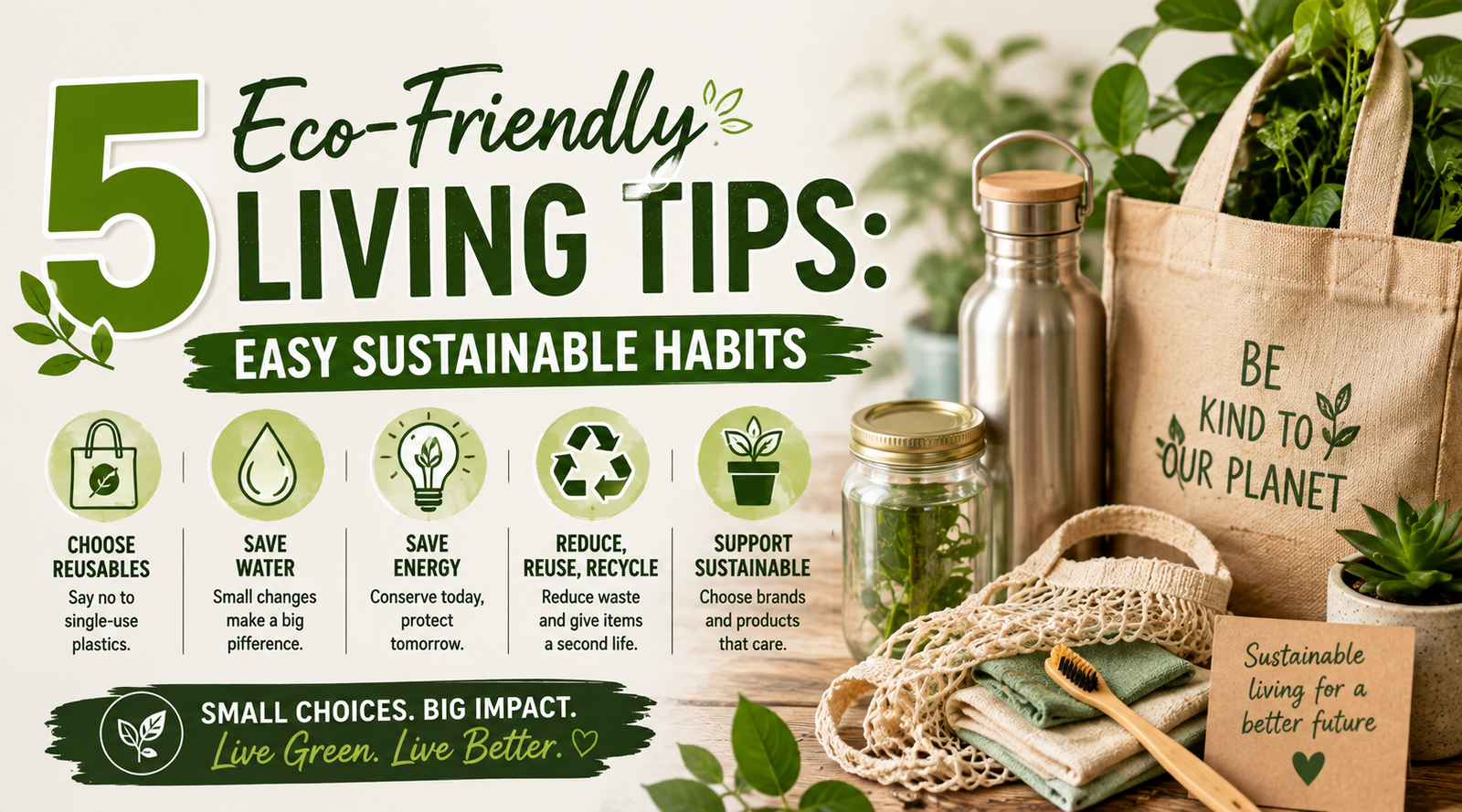
Living sustainably doesn’t mean completely overhauling your life overnight or moving off the grid. Real environmental progress happens when millions of people make small, intentional changes to their daily routines. Adopting practical eco-friendly living tips can help reduce your carbon footprint, minimize household waste, and even save money along the way.
Whether you are just beginning your sustainability journey or looking for fresh ideas to refine your routine, these actionable eco-friendly living tips will help you make a positive impact without overwhelming your lifestyle.
Why Adopting Eco-Friendly Living Tips Matters
Every daily decision—from the food you eat to how you wash your clothes—carries an environmental footprint. Individual actions collectively drive industrial demand and influence community standards.
Transitioning toward a sustainable lifestyle brings tangible personal and planetary benefits:
- Lower Energy Costs: Simple efficiency tweaks lower utility bills every month.
- Reduced Waste Output: Cutting single-use plastics prevents pollution in local ecosystems and oceans.
- Healthier Indoor Environments: Swapping harsh synthetic cleansers for natural alternatives improves home air quality.
To learn more about global environmental metrics and climate science, you can review environmental conservation resources on Wikipedia
.
15 Practical Eco-Friendly Living Tips for Your Home & Routine
1. Energy Efficiency at Home
- Unplug “Vampire” Electronics: Power strips with toggles prevent electronics from drawing phantom power when switched off.
- Switch to LED Bulbs: LEDs use up to 75% less energy and last much longer than traditional incandescent lighting.
- Adjust Your Thermostat: Dialing your thermostat back 1–2 degrees in winter or up in summer significantly reduces energy consumption.
2. Smart Water Conservation
- Fix Household Leaks: A single dripping faucet can waste over 3,000 gallons of water per year.
- Install Low-Flow Aerators: Inexpensive sink aerators reduce water flow without sacrificing pressure.
- Wash Clothes in Cold Water: Roughly 75% to 90% of the energy your washing machine uses goes toward heating water.
3. Waste Reduction & Conscious Shopping
- Ditch Single-Use Items: Swap plastic water bottles, disposable towels, and plastic bags for reusable alternatives.
- Audit Food Waste: Meal plan before grocery shopping and compost organic food scraps to keep methane-producing waste out of landfills.
- Buy in Bulk: Purchasing dry goods in bulk minimizes unnecessary plastic packaging.
4. Eco-Friendly Kitchen & Bathroom Habits
- Choose Solid Toiletries: Bar soaps, shampoo bars, and solid dish blocks eliminate plastic bottle packaging entirely.
- Switch to Microfiber or Swedish Dishcloths: Replace disposable paper towels with washable, reusable cloths.
- Use Natural Cleaning Agents: Baking soda, white vinegar, and castile soap clean surfaces effectively without harsh chemicals.
5. Sustainable Transportation & Lifestyle
- Consolidate Errands: Combine trips into a single outing to burn less fuel.
- Embrace the Circular Economy: Shop second-hand for clothes, furniture, and tools before buying new items.
- Support Local Produce: Buying seasonal food from local farmers reduces the transportation emissions associated with long-distance shipping.
For additional resources, health tips, and lifestyle guides, check out thezoqo
.
Simple Daily Swap Guide
| Traditional Habit | Sustainable Alternative | Impact |
| Paper Towels | Swedish Dishcloths | Saves trees and cuts weekly grocery costs |
| Plastic Water Bottles | Stainless Steel Flask | Reduces plastic waste and keeps drinks cold |
| Liquid Body Wash | Plastic-Free Soap Bars | Eliminates single-use plastic bottles |
| Hot Water Laundry | Cold Water Wash Cycle | Slashes home energy usage and protects fabrics |
Frequently Asked Questions (FAQs)
What are the easiest eco-friendly living tips for beginners?
Start with low-effort swaps: switch to LED lightbulbs, carry a reusable water bottle and shopping bag, and wash your laundry in cold water. These small steps build lasting habits without major disruptions.
Can eco-friendly living really save money?
Yes! Conserving energy and water lowers monthly utility bills, buying second-hand items saves money upfront, and reusing products eliminates the ongoing cost of disposable paper and plastic goods.
How does reducing food waste help the environment?
When food decomposes in landfills without oxygen, it creates methane—a greenhouse gas significantly more potent than carbon dioxide. Composting and meal planning keep food waste out of landfills and return nutrients to the soil.
Final Thoughts on Sustainable Living
Adopting a sustainable lifestyle is a continuous journey of small, conscious choices rather than a quest for perfection. By integrating these practical eco-friendly living tips into your daily routine step by step, you contribute to a cleaner environment while building a simpler, healthier home.
Write more, thats all I have to say. Literally, it seems as though you relied on the video to make your point. You obviously know what youre talking about, why waste your intelligence on just posting videos to your weblog when you could be giving us something informative to read?