 By Thezoqo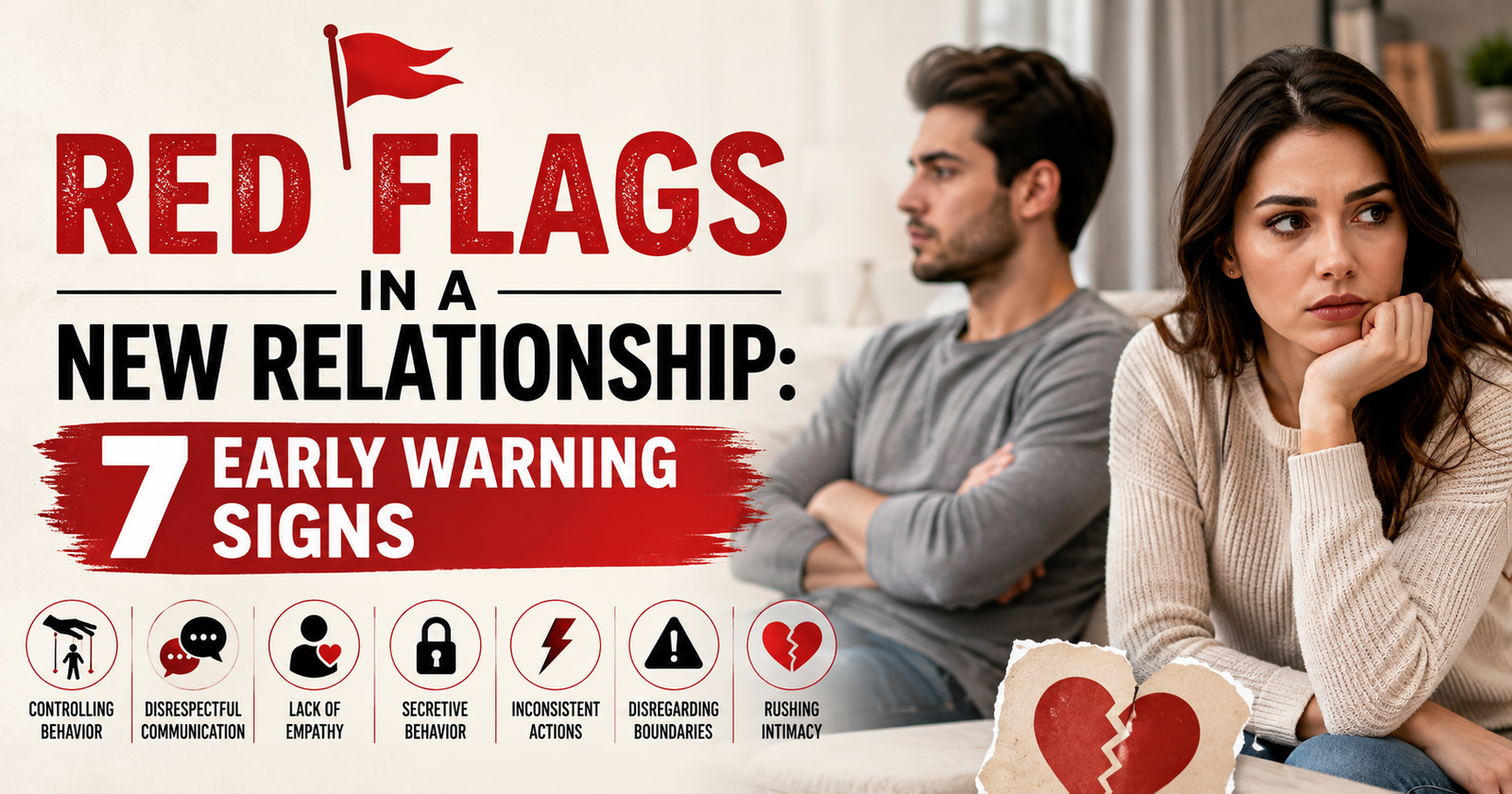
Beginning a new romantic connection is an exciting phase filled with anticipation, butterflies, and high hopes. In the early weeks and months of dating, it is natural to view a partner through rose-colored glasses, focusing primarily on their best qualities and shared interests. However, staying grounded during this stage is essential for protecting your emotional well-being and personal autonomy.
While no individual is entirely faultless, certain behaviors signal deeper issues with emotional availability, respect, and long-term compatibility. Recognizing red flags in a new relationship early allows you to address unhealthy dynamics before becoming deeply invested, saving you from prolonged distress down the road.
Understanding What Red Flags Truly Represent
A red flag is an indicator of underlying toxic, manipulative, or emotionally unsafe behavior. Unlike yellow flags—which often point to minor personal quirks or temporary stressors that can be worked through via open communication—red flags highlight fundamental character flaws or behavioral patterns that undermine mutual trust and safety.
Psychologists emphasize that red flags in a new relationship rarely improve without significant self-awareness and effort from the person exhibiting them. Ignoring these warning signs usually allows subtle missteps to escalate into systemic patterns of control, disrespect, or emotional neglect over time.
Key Red Flags in a New Relationship You Should Watch For
While every dating dynamic is unique, mental health professionals consistently point to several major warning signs in early dating:
1. Intense Love Bombing and Rushing Commitment
In the initial stages, intense affection feels flattering. However, when a partner showers you with grand declarations of love, overwhelming gifts, or pressures you into rapid cohabitation or exclusive commitment within days or weeks, exercise caution. Known as “love bombing,” this tactic creates artificial intimacy and codependency, making it harder to establish healthy boundaries later.
2. Disregarding and Testing Your Boundaries
Healthy relationships depend on mutual respect for personal space, comfort levels, and individual choices. If a partner repeatedly pushes past your explicit “no”—whether regarding your schedule, physical comfort, or personal preferences—they demonstrate a lack of respect for your autonomy. Overstepping small boundaries early is one of the clearest red flags in a new relationship that larger, more critical boundaries will be ignored later.
3. A Long History of “Crazy” Exes and Zero Accountability
Listen carefully to how a new partner speaks about their past relationships. If every ex-partner is described as “crazy,” “unstable,” or entirely at fault for past breakups, it signals a lack of self-awareness and an inability to take responsibility for their actions. A mature partner acknowledges their own contributions to past relationship failures rather than deflecting all blame outward.
4. Subtle Controlling Behavior and Isolation
Control rarely manifests as obvious demands right away; it often begins under the guise of care or protectiveness. A partner who questions who you text, expresses passive-aggressive jealousy over your friends, or criticizes your family members is attempting to narrow your support system. Isolation makes you increasingly dependent on them for validation and perspective.
5. Inconsistent Communication and Hot-and-Cold Behavior
Inconsistency breeds anxiety. A partner who is deeply engaged and attentive one day, only to become completely distant, dismissive, or unresponsive the next without explanation, creates an unpredictable dynamic. This intermittent validation can keep you hooked on chasing their approval while undermining your feeling of security.
6. Poor Emotional Regulation and Explosive Anger
Pay attention to how your partner reacts when things do not go their way. Frequent angry outbursts, slamming doors, aggressive driving, or rudeness toward service workers reveal how they manage frustration. If you find yourself walking on eggshells to avoid triggering their temper, safety and emotional security are already compromised.
Comparing Early Behaviors: Red Flags vs. Green Flags
To evaluate your dynamic clearly, contrast concerning patterns with healthy alternatives:
| Behavioral Area | Serious Red Flag | Healthy Green Flag |
| Boundaries | Presses you to change your mind when you say “no” | Respects your limits immediately without guilt-tripping |
| Past Relationships | Blames all exes entirely and acts like a constant victim | Speaks respectfully about the past and accepts personal responsibility |
| Conflict Management | Uses the silent treatment, shifts blame, or explodes in anger | Communicates calmly, listens, and works toward resolution |
| Social Life | Attempts to limit your time with friends and family | Encourages you to maintain outside friendships and hobbies |
| Pacing | Demands fast commitment and intense early declarations | Allows the connection to build naturally over time |
Why We Often Ignore Red Flags in a New Relationship
Identifying warning signs is only half the battle; choosing to act on them is where many people struggle. Several psychological factors lead individuals to overlook red flags in a new relationship:
- Confirmation Bias: When you desperately want a relationship to work, your brain naturally focuses on positive moments while minimizing concerning behaviors.
- Potential vs. Reality: Falling in love with someone’s potential rather than who they show themselves to be in the present moment leads to making endless excuses for bad behavior.
- Fear of Loneliness: The desire for companionship can lead to tolerating poor treatment rather than returning to single life.
- Familiarity with Toxic Dynamics: If you grew up in or previously navigated volatile environments, unhealthy behavior might feel familiar or normal rather than alarming.
How to Handle Warning Signs When They Appear
If you spot red flags in a new relationship, taking structured, objective action is essential for protecting your wellbeing:
- Document Your Observations: Keep a private journal detailing specific incidents, how they made you feel, and how your partner responded when confronted.
- Set Firm Boundaries: Communicate clearly what behavior is unacceptable. A partner committed to a healthy connection will respect your feedback and adjust their actions.
- Seek Objective Feedback: Discuss the situation with trusted friends, family, or a therapist who can offer an unbiased perspective unclouded by romantic feelings.
- Be Prepared to Walk Away: Remember that you do not owe anyone endless chances to treat you with basic respect.Ending a connection early is far easier than trying to repair a deeply toxic partnership years down the line.
Final Thoughts
A healthy romantic connection should bring clarity, ease, and mutual support into your life—not constant confusion, anxiety, or self-doubt. By paying close attention to red flags in a new relationship and trusting your instincts, you safeguard your emotional health and make space for a partner who values and respects you fully.
Most of the time I bounce off similar pages within seconds, and a stop at megaluxurious held me longer than I would have predicted, the ability to convert a likely bouncing visitor into an engaged reader is a quality signal and this site has demonstrated that conversion ability across multiple visits where I expected to bounce.